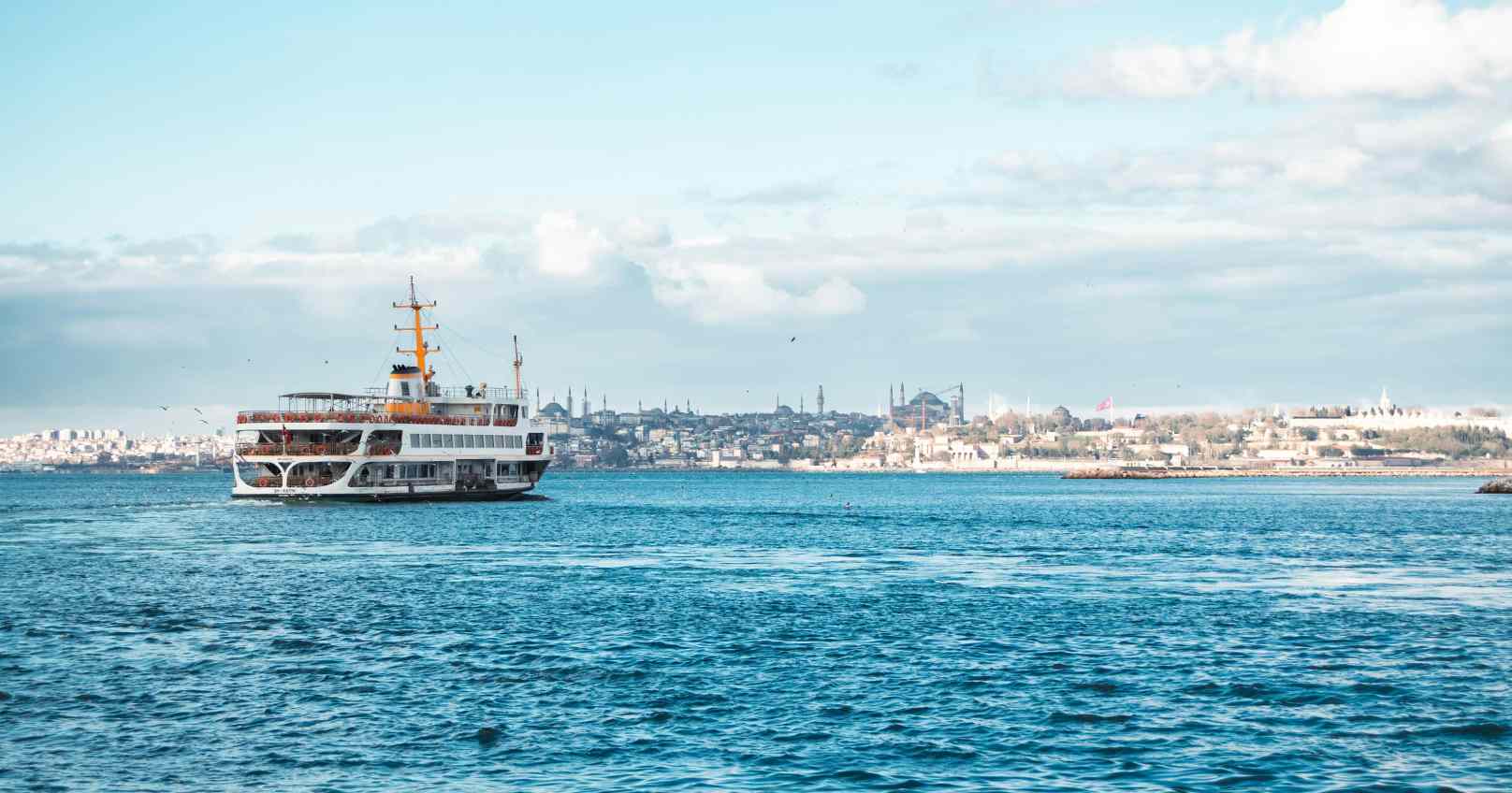
The United Kingdom has brought together representatives from 35 countries, among them India, for discussions focused on stabilising maritime movement through the Strait of Hormuz, a key global energy corridor disrupted by ongoing conflict in the Middle East.
India is being represented at the virtual meeting by Foreign Secretary Vikram Misri, the Ministry of External Affairs (MEA) confirmed on Thursday. MEA spokesperson Randhir Jaiswal stated during a media briefing that New Delhi had accepted London’s invitation to participate in the consultations, which were underway at the time.
The initiative comes as multiple nations intensify diplomatic coordination to prevent further disruption to one of the world’s most critical oil transit routes. A significant portion of global energy supplies passes through the narrow waterway, making its stability essential for international markets.
India has simultaneously been engaging regional stakeholders, including Iran, to secure uninterrupted and secure passage for Indian-flagged vessels. According to Jaiswal, diplomatic outreach in recent days has facilitated the safe transit of six Indian ships through the strait.
He emphasised that India remains in communication with relevant authorities to ensure continued safe navigation for its vessels. Officials also rejected speculation about any special financial arrangement or transit fee being paid to Iran for allowing Indian ships to pass.
While tensions remain high in the region, reports indicate that Iran’s restrictions on maritime traffic have been selectively applied, with limited exemptions granted, including to certain Indian cargo vessels transporting fuel supplies.
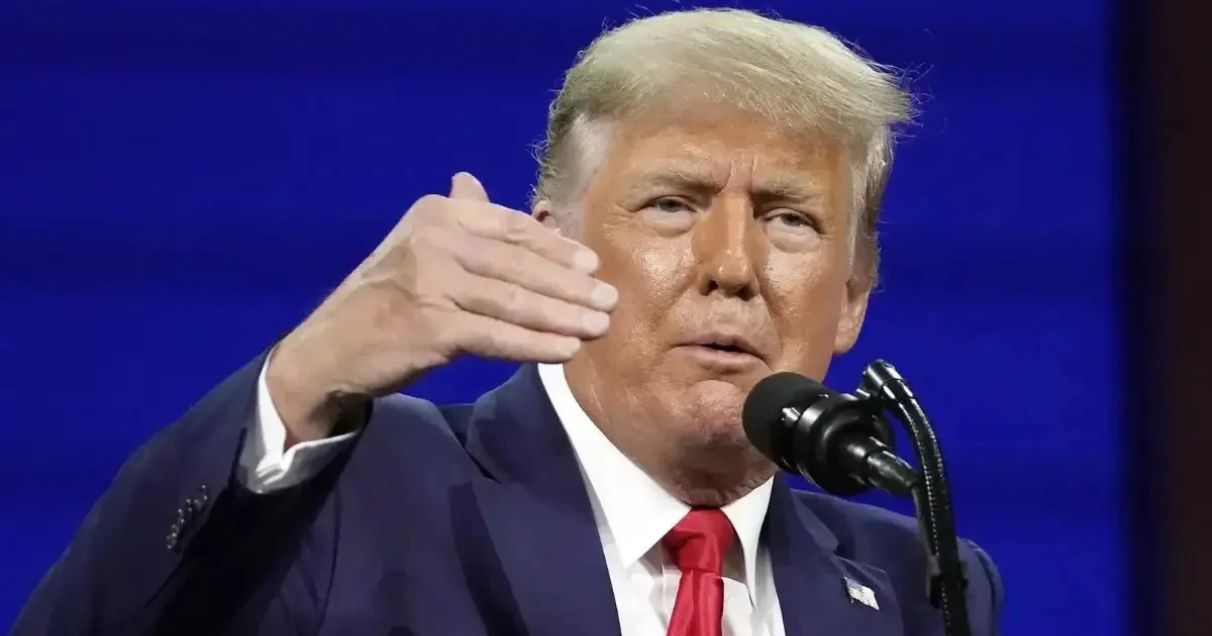
Notably, the United States is not participating in the UK-hosted dialogue. The meeting follows remarks by US President Donald Trump suggesting that responsibility for securing the waterway does not rest with Washington. He has also criticised European allies over their position on the conflict and reiterated threats to reconsider US involvement in NATO.
UK Foreign Secretary Yvette Cooper described the talks as a demonstration of global resolve to reopen the strait through diplomatic and political efforts rather than military action. She warned that prolonged disruption has triggered sharp increases in oil and food prices, placing additional strain on economies and households worldwide.
As diplomatic efforts continue, the focus remains on preventing further escalation and restoring stability to a passage that underpins a substantial share of global trade.