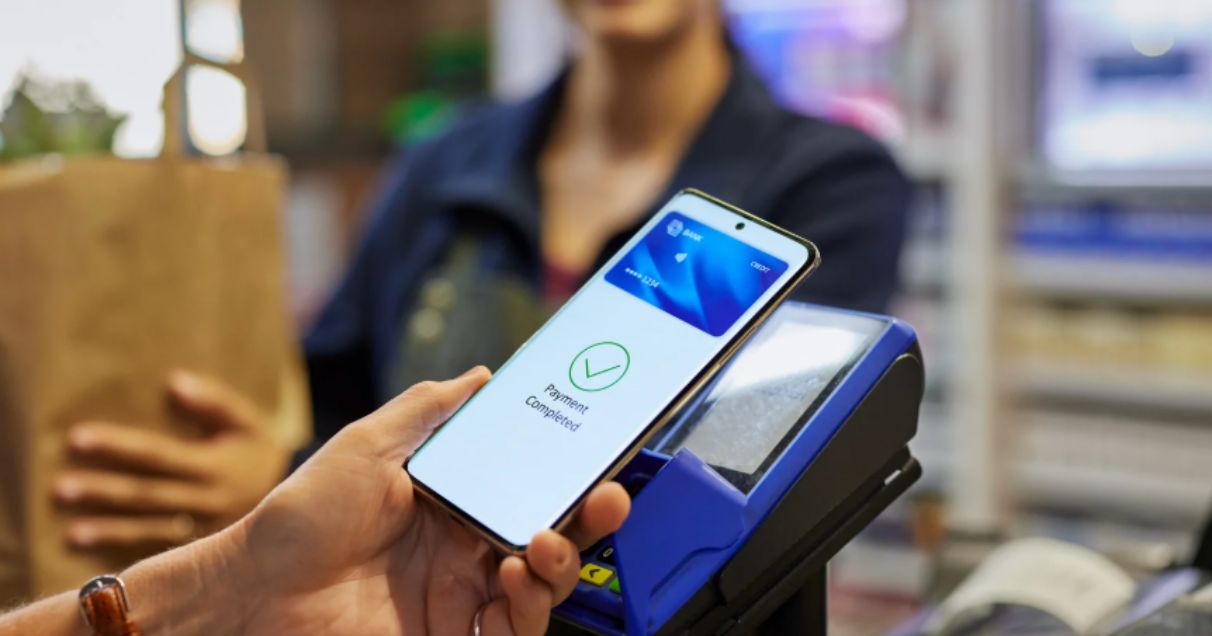
UPI Payments Above Rs 2,000 to Attract MDR for Merchants From October 15
UPI merchant payments above Rs 2,000 will attract a 0.4% MDR from October 15, while consumers and person-to-person transactions will continue to remain free
15-09-2026

India’s Unified Payments Interface (UPI) ecosystem is set to introduce a merchant charge on higher-value transactions, with the new framework coming into effect from October 15.
Under the revised rules, merchants will have to bear a 0.4 per cent Merchant Discount Rate (MDR) on UPI payments exceeding Rs 2,000. The charge will be capped at Rs 300 for each transaction.
The government, however, has made it clear that UPI users will not be charged for making these payments. The Finance Ministry has advised banks to ensure that merchants do not transfer the MDR burden to customers.
The revised framework distinguishes between payments made to merchants and transfers between individuals.
Person-to-person (P2P) transactions will remain outside the MDR system, regardless of the amount involved. Similarly, payments made to merchants up to Rs 2,000 will continue to be free of MDR.
This means that sending Rs 10,000 to a friend or family member through UPI will not attract the new charge. However, a payment above Rs 2,000 to a merchant will fall under the revised MDR framework.
For example, a Rs 2,001 payment at an eligible merchant would attract an MDR of about Rs 8, subject to the applicable rules and cap. The charge is payable within the merchant-side payment ecosystem rather than by the customer.
Certain merchant categories will be subject to a separate pricing structure.
According to the National Payments Corporation of India (NPCI), UPI transactions above Rs 2,000 involving sectors such as railways, telecom, insurance and fuel will carry a flat MDR of Rs 5 per transaction.
The NPCI said the revised charges remain lower than those generally associated with other digital payment methods, including credit cards, debit cards and wallets.
The revised framework is designed to keep the vast majority of everyday UPI transactions free.
NPCI said around 95 per cent of low-value UPI transactions, particularly those below the Rs 2,000 threshold, will remain outside the MDR structure. Small merchants will also continue to benefit from the exemption for transactions up to Rs 2,000.
The government has stressed that the MDR is not a tax and will not be collected as government revenue. Instead, the charge is distributed among participants in the payments ecosystem, including banks and digital payment applications, to support the infrastructure and operational costs involved in processing transactions.
Alongside the revised MDR structure, the payments ecosystem will also get a dedicated fund aimed at supporting small merchants.
The fund is intended to help expand digital payment infrastructure among existing merchants and promote adoption in Tier 3 cities and smaller markets.
NPCI said the revised framework is aimed at supporting continued investment in areas such as payment-system resilience, cybersecurity and technological innovation, while allowing UPI to expand to more users and merchants.
For ordinary UPI users, the key change is that there will be no direct charge for making a UPI payment. The new MDR applies on the merchant side for eligible transactions above Rs 2,000.
The framework also removes uncertainty around higher-value merchant payments by formally establishing how such transactions will be handled while keeping person-to-person transfers outside the MDR regime.


US Secretary of State Marco Rubio toured Mukesh Ambani’s Jamnagar refinery, Vantara wildlife centr
Read More
Ashneer Grover’s decision not to show the interiors of his rented-out DLF Camellias apartment prom
Read More
AIBOA urges government to shelve proposed sale, flags reported pricing changes and alleged gap betwe
Read More