US-Iran Islamabad Talks End Without Breakthrough as Nuclear Issue Stalls Deal
Efforts to transform a temporary ceasefire into a lasting peace collapse amid sharp differences over nuclear assurances and regional security demands
12-04-2026

Negotiations between the United States and Iran in Islamabad concluded without a formal agreement, dimming hopes of extending a two-week ceasefire that followed nearly 40 days of intense conflict in the Middle East. Delegations from Washington and Tehran had convened in Pakistan’s capital aiming to convert the fragile truce into a broader peace framework, but discussions ultimately stalled over several contentious matters, including maritime access through the Strait of Hormuz.
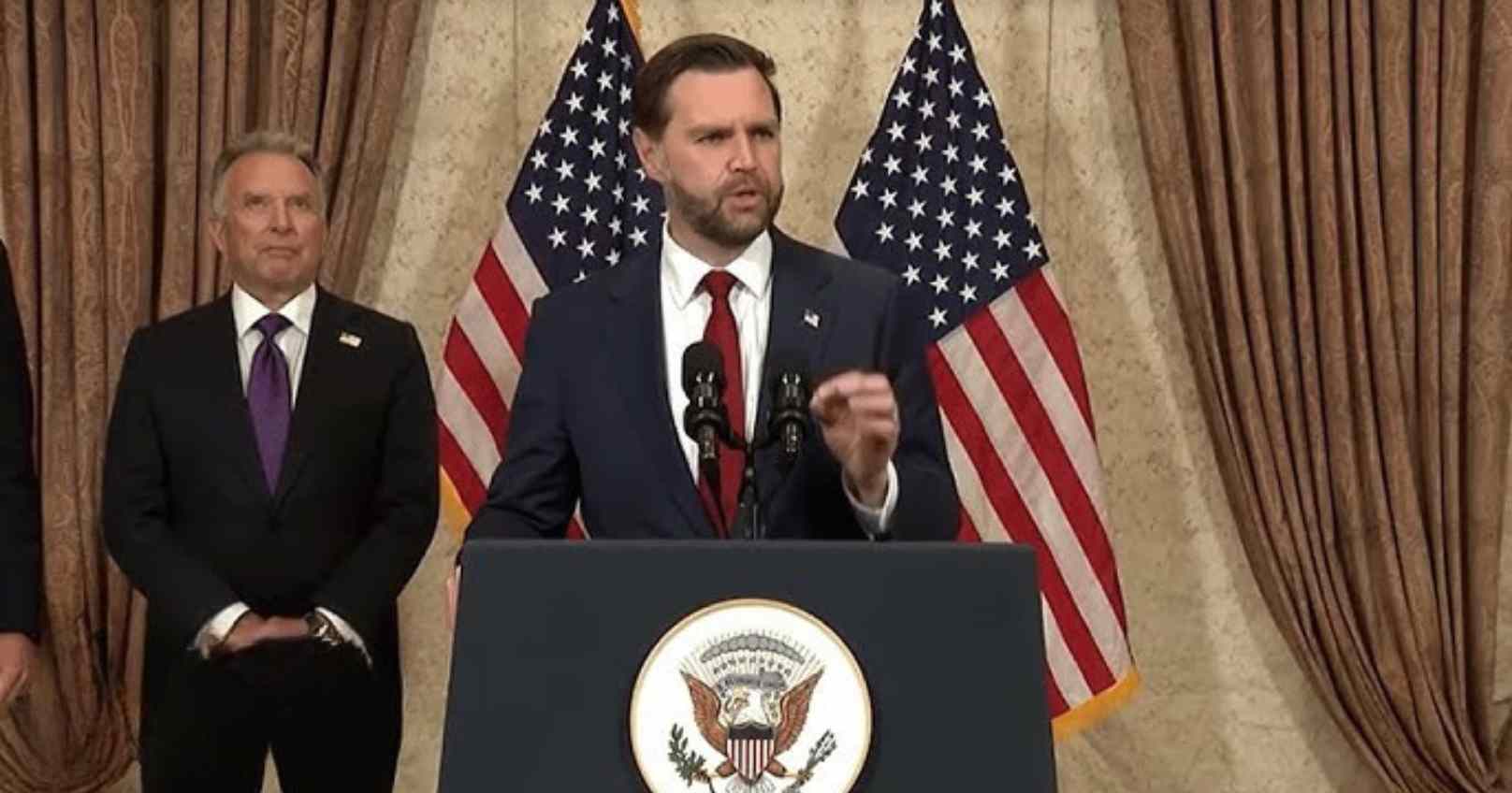
In a brief public statement after the talks, the US Vice President described the exchanges as “substantive,” while acknowledging that no binding understanding had been achieved. He suggested that the lack of progress weighed more heavily on Tehran than on Washington, underlining the United States’ position that long-term stability depends on firm commitments from Iran.
A key sticking point appeared to be the nuclear question. The US side sought clear and enduring assurances that Iran would neither pursue nuclear weapons nor retain the capacity to rapidly develop them in the future. According to the Vice President, such guarantees were central to the American negotiating mandate. Although he noted that several of Iran’s previous enrichment facilities had been dismantled, he indicated that Washington was still waiting for what it considers a credible, long-term pledge from Tehran.
Iranian media outlets, however, portrayed the talks differently. Reports suggested that the US delegation presented conditions viewed in Tehran as excessive, particularly concerning shipping routes in the Strait of Hormuz and Iran’s right to maintain a peaceful nuclear energy programme. Sources cited in those reports claimed that Washington attempted to secure through diplomacy what it had failed to achieve during the conflict. One source alleged that the American side showed little willingness to scale back its demands, while another suggested the US may have been seeking grounds to walk away from the negotiations.
With no consensus reached, uncertainty now looms over the future of the ceasefire. The temporary halt in hostilities had raised cautious optimism, but the breakdown in Islamabad has complicated prospects for a durable settlement. Earlier, US President Donald Trump had warned that failure to finalise a deal could trigger a forceful military response, even as he maintained that the United States holds the upper hand in the broader confrontation.
Whether further dialogue will resume remains unclear, and both sides appear entrenched in their respective positions, leaving the region in a precarious state.

Donald Trump has again claimed that threats of 250 per cent tariffs helped stop the 2025 India-Pakis
Read More
The BJP has alleged a rift between Rahul Gandhi and Priyanka Gandhi Vadra over the removal of photog
Read More
Sonia Gandhi has joined X with a memory of meeting Rajiv Gandhi in Cambridge, introducing her upcomi
Read More