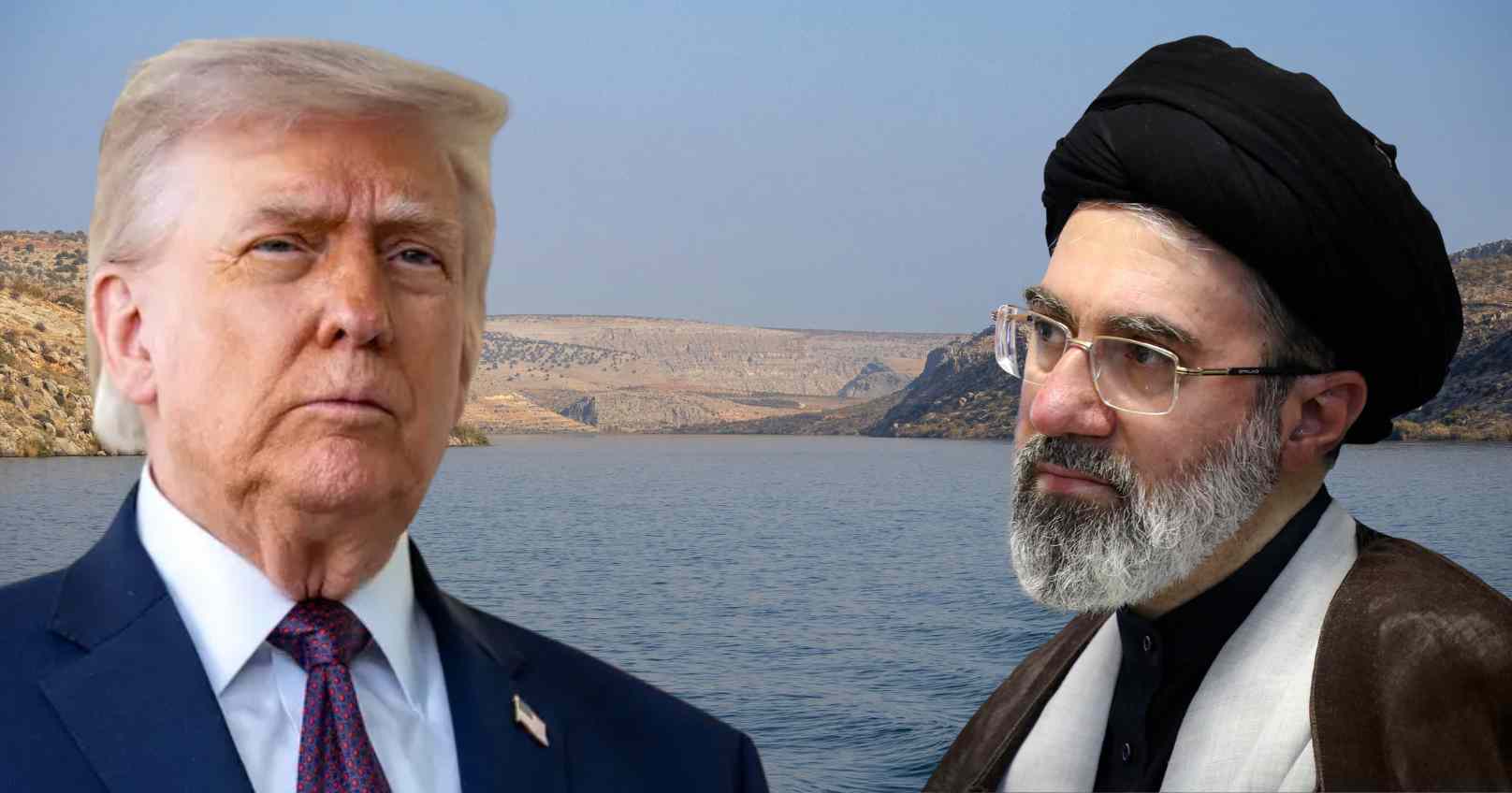
Fresh diplomatic efforts between the United States and Iran appear to be gaining traction, with both sides reportedly moving nearer to outlining a framework that could help bring the conflict to a halt. According to Axios, officials involved in the discussions say recent exchanges have reduced key disagreements, raising guarded optimism that progress could be achieved before the current ceasefire lapses on April 21.
American officials described a flurry of backchannel contacts and coordinated outreach involving multiple countries acting as intermediaries. One official indicated that conversations — both direct and indirect — have intensified, narrowing divides that previously stalled negotiations. Another acknowledged measurable progress but stressed that achieving consensus across Iran’s political establishment remains a significant hurdle.
Bloomberg reported separately that Washington and Tehran are considering extending the existing truce by an additional two weeks to provide breathing room for continued talks. Mediators are said to be preparing technical-level discussions to address some of the most sensitive sticking points, including maritime access through the Strait of Hormuz and questions surrounding Iran’s nuclear enrichment activities.
Diplomatic facilitation by Pakistan, Egypt and Turkey has shifted focus toward resolving the final areas of disagreement. Still, representatives caution that while momentum is building, a comprehensive agreement is far from certain. A Pakistani official involved in mediation efforts expressed measured hope, saying both sides are being encouraged to sustain engagement.
Within the US negotiating team under President Donald Trump, senior figures — including Vice President JD Vance, envoy Steve Witkoff and adviser Jared Kushner — have reportedly been exchanging draft proposals with Iranian counterparts and intermediaries. Vance, who previously spearheaded early discussions in Pakistan, recently said he felt confident about the direction of talks and suggested that Iranian representatives appeared open to compromise.
Further in-person negotiations are anticipated in the coming days, though no formal schedule has been announced.
Trump Signals Optimism as Pressure Mounts
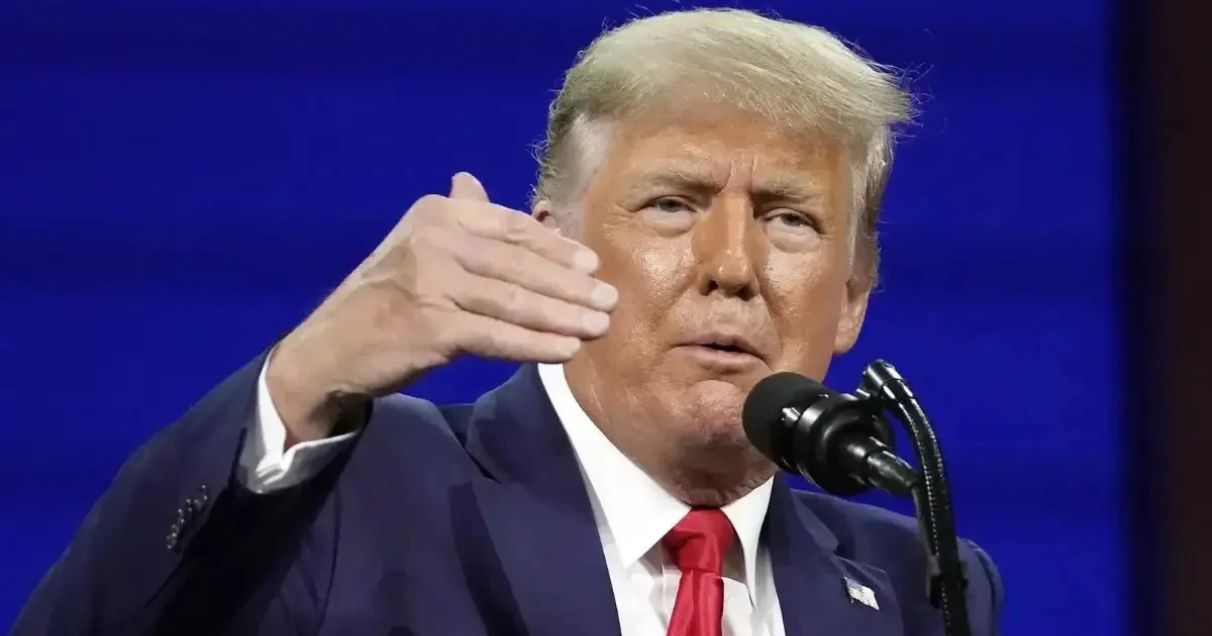
President Donald Trump struck a hopeful note in a televised interview, stating that the conflict was “very close to over.” While he has frequently expressed confidence about ending the war, officials acknowledge that conditions on the ground remain fluid.
A senior US representative clarified that Washington has not formally agreed to prolong the current ceasefire but confirmed that diplomatic engagement continues. Discussions remain active, with both sides evaluating next steps.
Parallel to the negotiations, the US military has intensified operations in the region. US Central Command announced it had secured maritime dominance and enforced a naval blockade targeting Iranian ports within 36 hours. Officials said the blockade has significantly disrupted shipping routes, with several vessels reportedly turned back and oil exports sharply reduced.
American officials argue that these economic constraints are adding leverage in negotiations, noting that Iran’s oil-dependent revenues have been hit hard. With exports averaging roughly 1.5 million barrels per day, the financial impact could be substantial if restrictions persist.
Pakistan Expands Mediation Role
Pakistan has stepped up its involvement in the diplomatic push. Army Chief Asim Munir arrived in Tehran as part of ongoing mediation efforts, with Iranian media suggesting he carried new communications from Washington. Pakistan’s military confirmed the visit but offered limited details, describing it as part of broader peace efforts.
Wider Regional Strains
Beyond US-Iran negotiations, regional tensions remain elevated. Israel is expected to convene its security cabinet following uncommon direct engagement with Lebanon in Washington after weeks of clashes involving Hezbollah.
Meanwhile, the Pentagon reported that hundreds of US personnel have been wounded since hostilities began, with several fatalities confirmed.
Although the trajectory of talks suggests cautious progress, officials emphasize that reaching a durable settlement will require sustained diplomacy. Even if negotiators agree on a framework in the near term, extending the ceasefire could be necessary to finalise a comprehensive deal.