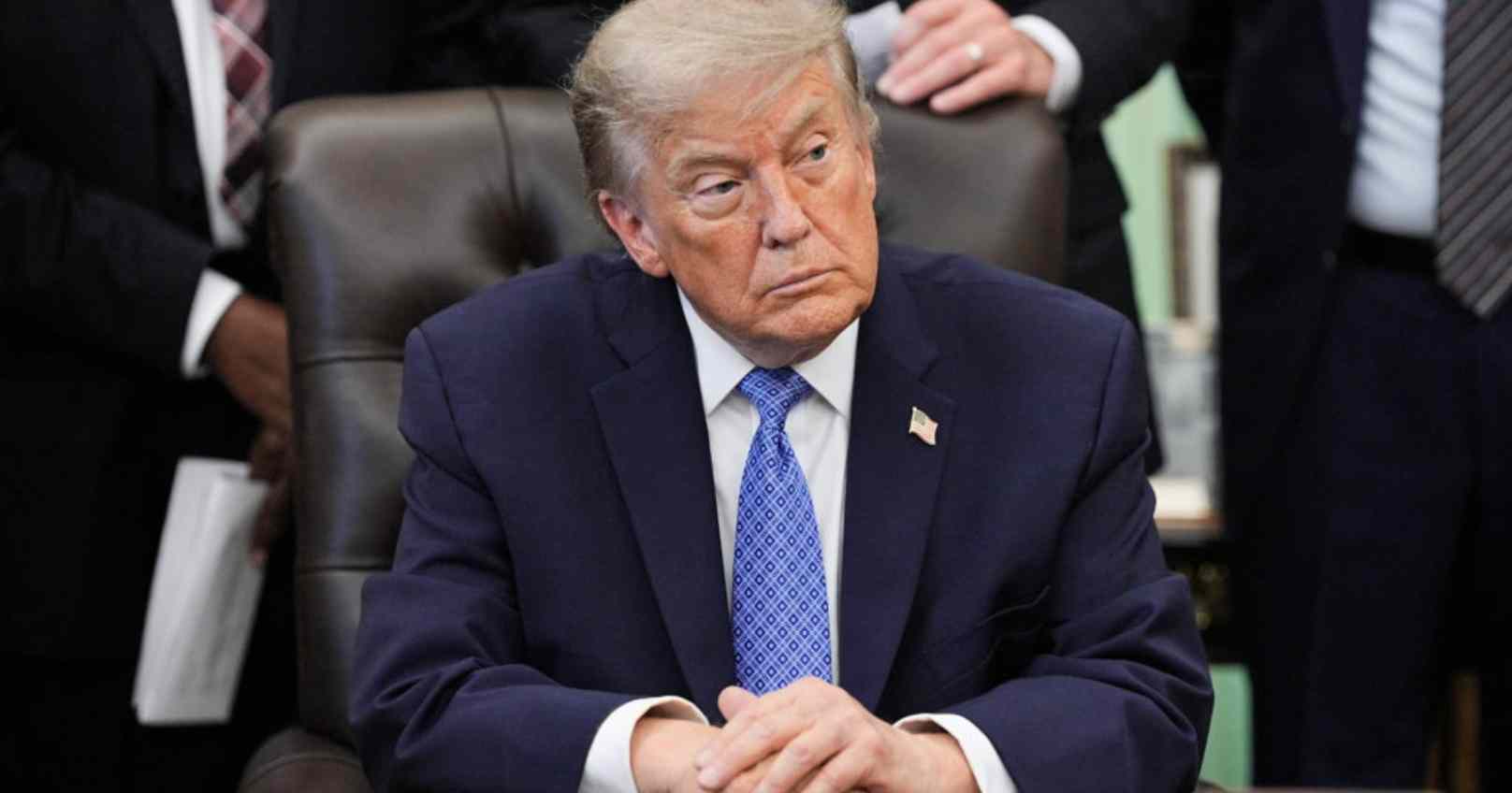
The US Supreme Court on Tuesday struck down an executive order issued by President Donald Trump that sought to restrict birthright citizenship, reaffirming the constitutional guarantee that most children born in the United States automatically become American citizens.
The decision marks a significant setback for Trump's immigration agenda and reinforces the long-standing interpretation of the 14th Amendment, which has served as the legal foundation for birthright citizenship for more than a century.
Court Rejects Citizenship Restrictions
The executive order, signed shortly after Trump returned to office in January 2025, proposed ending automatic citizenship for children born in the United States if their parents were either living in the country without legal status or were staying on temporary visas.
Under the proposed policy, citizenship would have been limited primarily to children with at least one parent who was either a US citizen or a lawful permanent resident.
However, in a 6-3 verdict, the Supreme Court upheld lower court rulings that had already prevented the order from taking effect, effectively blocking the administration's attempt to change the existing interpretation of the Constitution.
Focus on the 14th Amendment
At the centre of the legal battle was the Citizenship Clause of the 14th Amendment, which declares that individuals born or naturalised in the United States, and subject to its jurisdiction, are American citizens.
For over 150 years, courts have generally interpreted this provision to include nearly everyone born on US soil, regardless of their parents' immigration status, except in limited situations such as children of foreign diplomats.
The Trump administration argued that the constitutional language should be interpreted more narrowly, claiming children born to undocumented immigrants or temporary visa holders should not automatically receive citizenship.
Government lawyers maintained that citizenship should apply only where parents have a lasting legal connection and primary allegiance to the United States through citizenship or permanent residency.
Opponents Defended Existing Interpretation
Those challenging the executive order argued that constitutional history, established judicial precedent and decades of legal interpretation clearly support birthright citizenship.
The lawsuit that reached the Supreme Court originated in New Hampshire, where families argued that the order threatened the citizenship rights of children born in the country.
During oral arguments, government attorneys also cited concerns over so-called "birth tourism," alleging that some foreign nationals travel to the United States specifically to secure citizenship for their children. However, they acknowledged they lacked conclusive evidence regarding the scale of the issue.
Trump Signals Next Move
Following the ruling, President Trump indicated he would seek legislative action rather than pursue a constitutional amendment.
In a statement on his social media platform, Truth Social, he criticised the court's decision but expressed confidence that Congress could pass legislation addressing birthright citizenship with presidential support.
Wider Impact
Legal experts had warned that implementing the executive order could have affected hundreds of thousands of newborns every year and placed additional legal burdens on families by requiring proof of parents' immigration or citizenship status.
The judgment represents another judicial setback for the Trump administration. Earlier this year, the Supreme Court also invalidated the administration's broad global tariff policy, marking the second major ruling against the president in 2026.