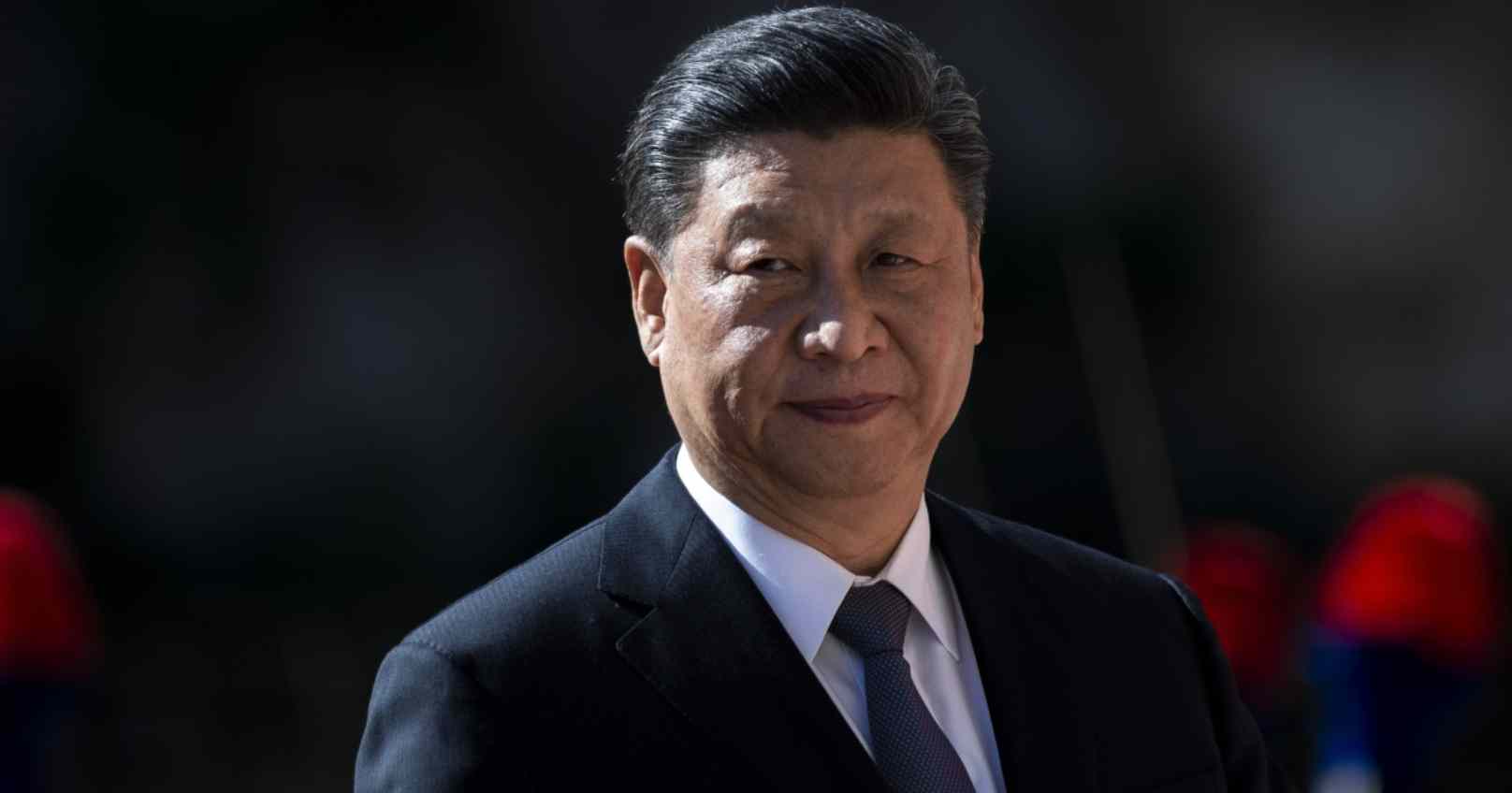
Chinese President Xi Jinping has put forward a four-pronged proposal aimed at easing tensions in the Middle East, calling for long-term stability through dialogue and adherence to international norms. He shared the framework during a meeting in Beijing with Sheikh Khaled bin Mohamed bin Zayed Al Nahyan, according to state-run agency Xinhua News Agency.
The proposal comes shortly after negotiations between Washington and Tehran broke down in Islamabad, casting doubt over efforts to cement a durable ceasefire.
Xi’s Four Principles for Regional Stability
During the discussions, Xi emphasized:
- Commitment to peaceful coexistence among nations
- Respect for sovereignty and territorial integrity
- Balancing economic growth with national security
- Upholding a rules-based international order
He cautioned against selectively applying global laws, warning that abandoning established norms could push the world toward instability. Though he did not directly name any country, observers interpreted the remarks as criticism of the recent US-Israel military actions involving Iran. Beijing has consistently opposed those operations, describing them as unlawful.
Talks Held During UAE Royal Visit
Xi’s comments were delivered as the Abu Dhabi Crown Prince visited Beijing at a time of heightened strain in the Gulf. The region has remained on edge following the collapse of US-Iran discussions and escalating maritime tensions around the Strait of Hormuz.
Iran has imposed restrictions on certain vessels navigating the crucial energy corridor since early March. In response, the US military has launched operations targeting Iranian ports, accusing Tehran of threatening global trade routes.
Oil exports from Gulf producers, including the UAE, have been significantly affected as shipping activity through the strait has slowed. Iran has also reportedly carried out missile and drone operations targeting energy facilities in the region.
Washington-Beijing Strain Deepens
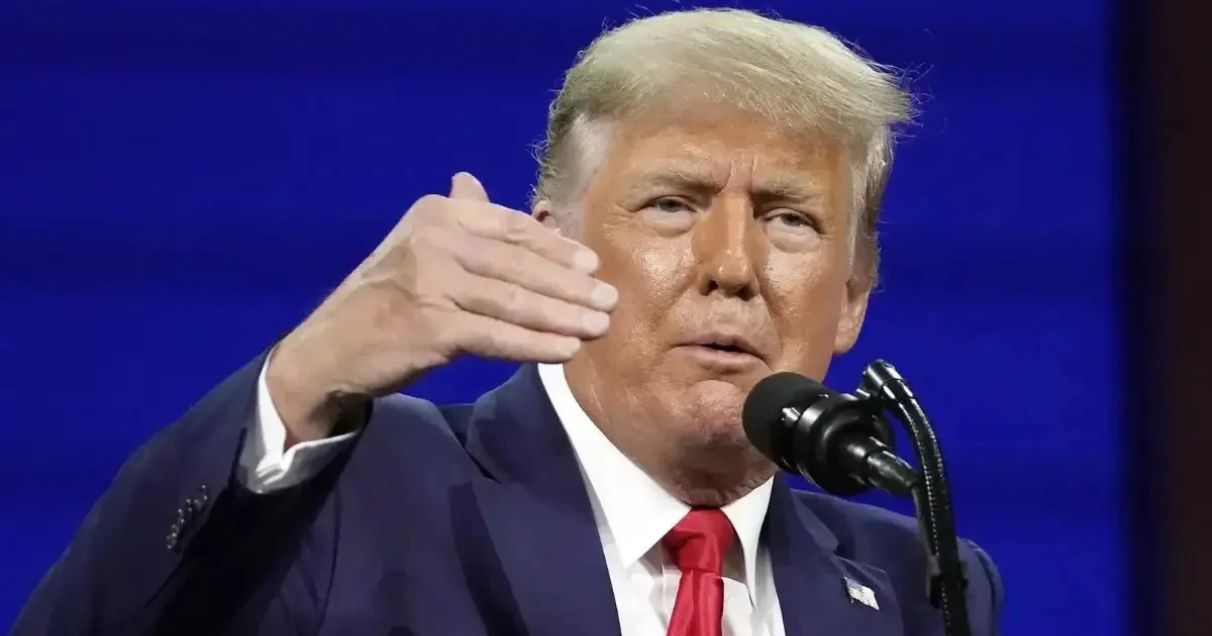
Meanwhile, friction between Washington and Beijing has intensified. US President Donald Trump recently warned that China could face steep tariffs if it were found supplying arms to Iran. Speaking after the failed Islamabad talks, Trump suggested severe economic penalties could follow any confirmed military cooperation between Beijing and Tehran.
Adding to the tension, a US-sanctioned tanker reportedly linked to Chinese interests transited the Strait of Hormuz after briefly altering its course when the blockade began. Maritime tracking data indicated the vessel resumed its journey after identifying its crew as Chinese.
With Xi expected to meet Trump in Beijing next month, the developments underscore the widening geopolitical divide over Iran, energy security, and the broader Middle East crisis.