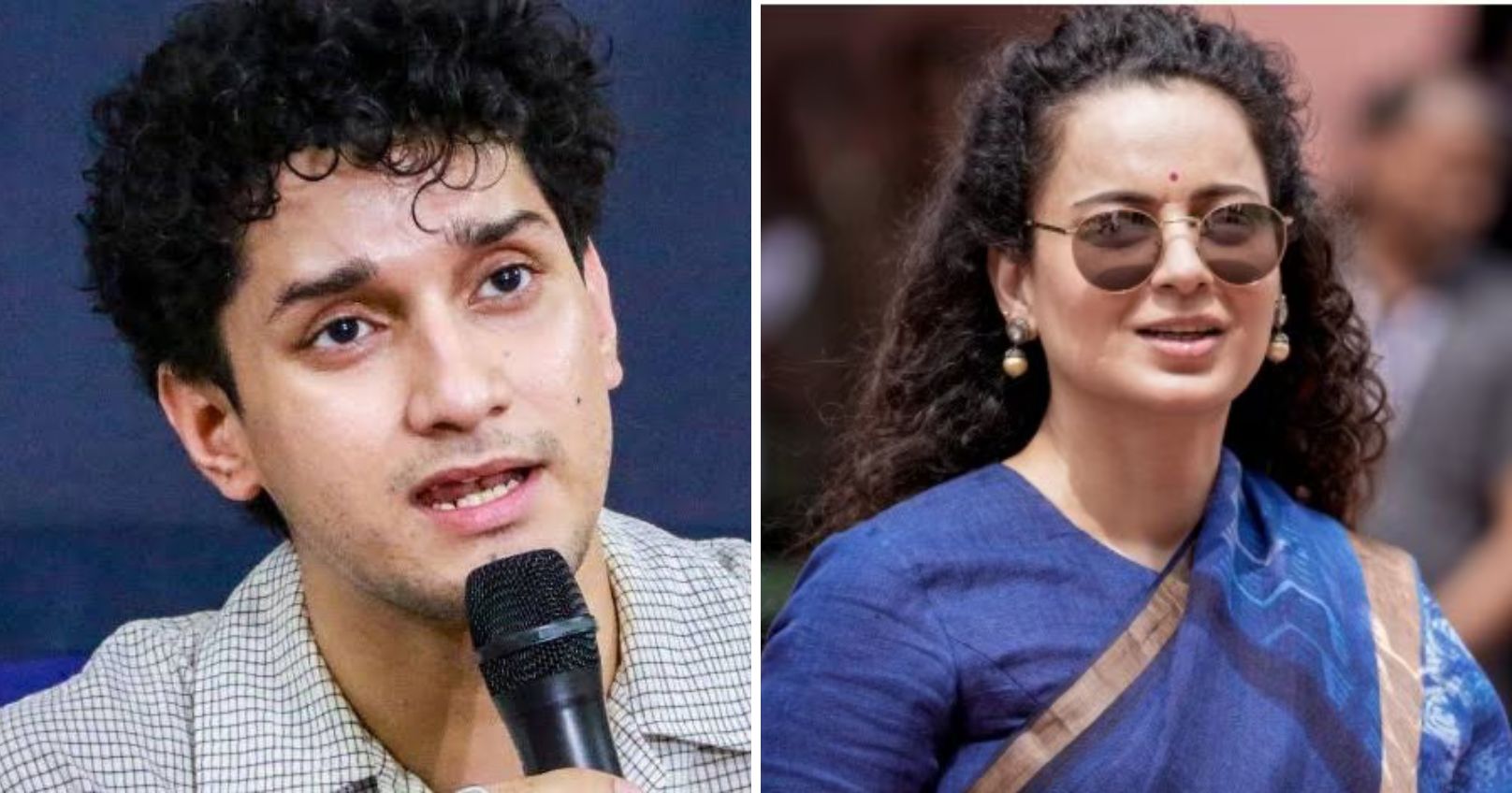
The political war of words over the NEET paper leak protests intensified after the Cockroach Janta Party (CJP) hit back at BJP MP Kangana Ranaut for describing members of the agitation as "Generation Gutter".
Ranaut, the BJP's Lok Sabha representative from Mandi in Himachal Pradesh, had criticised the language and conduct displayed in videos from the protests in a social media post. She described the content as vulgar and offensive and questioned the background and upbringing of those participating in the demonstrations.
In her post, Ranaut also accused some young protesters of openly celebrating lifestyles involving substance use and financial dependence on their families. She went on to claim that some members of the younger generation had little to contribute to society and used the term "Generation Gutter" to describe them.
Her remarks triggered a backlash from political figures and others, with critics calling for an apology. Some also questioned whether the BJP MP was sufficiently familiar with the NEET issue that had become a central concern of the protests.
CJP Tells Ranaut to ‘Maintain Dignity’
Responding to Ranaut's comments, CJP spokesperson Saurav Das dismissed her criticism and claimed that even members of her own political party did not attach much importance to her views.
Das argued that younger generations, including Gen Z and Gen Alpha, were unlikely to take Ranaut's comments seriously. He also referred to an earlier video involving the actor-turned-politician discussing the demands of her role as an MP.
The CJP spokesperson accused Ranaut of contradicting herself by labelling young protesters as unserious while, in his view, making comments that demonstrated a lack of seriousness on her part.
Das also criticised the language used by Ranaut and said public representatives should exercise greater restraint when speaking about citizens and protesters.
He further argued that young Indians had played an important role in strengthening democratic participation and said Ranaut should recognise their contribution before making sweeping statements about an entire generation.
How the CJP Protest Unfolded
The confrontation comes after weeks of protests organised by the CJP over the NEET paper leak controversy.
The movement began at Jantar Mantar on June 20, with the resignation of then Education Minister Dharmendra Pradhan among its key demands. Tensions escalated during a march towards Parliament on July 20, when police used measures including batons and tear gas to disperse protesters. Authorities also reported injuries among police personnel during the clashes.
Following negotiations between representatives of the movement and the Centre, Pradhan resigned from his ministerial position on Saturday.
The CJP subsequently announced the end of its protest, saying it had received assurances regarding legal action against peaceful demonstrators and financial assistance for families of students who died by suicide following the NEET controversy.
The latest exchange between Ranaut and the CJP has added another political dimension to a protest movement that has already sparked a wider debate over examination security, student rights and accountability.