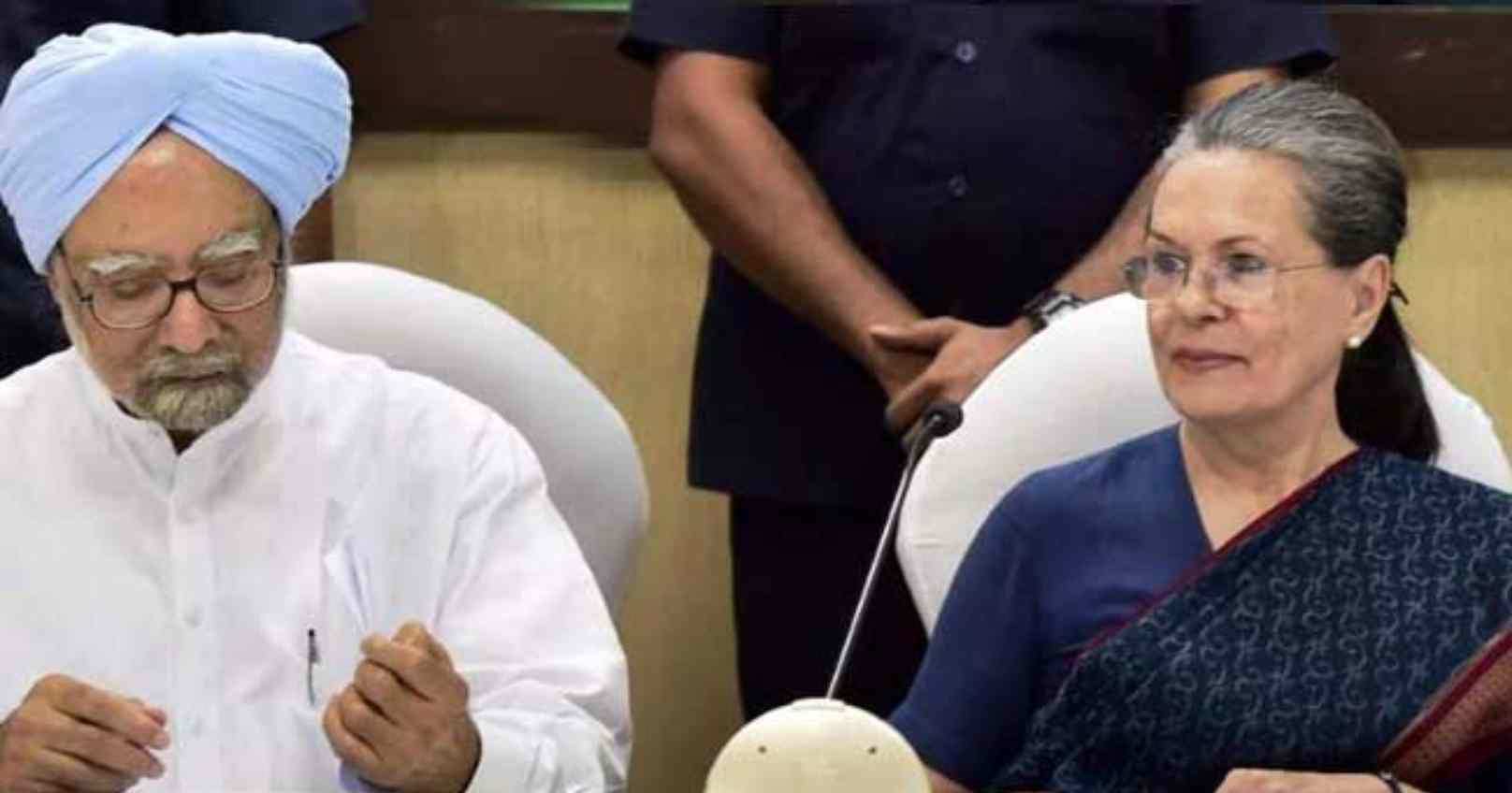
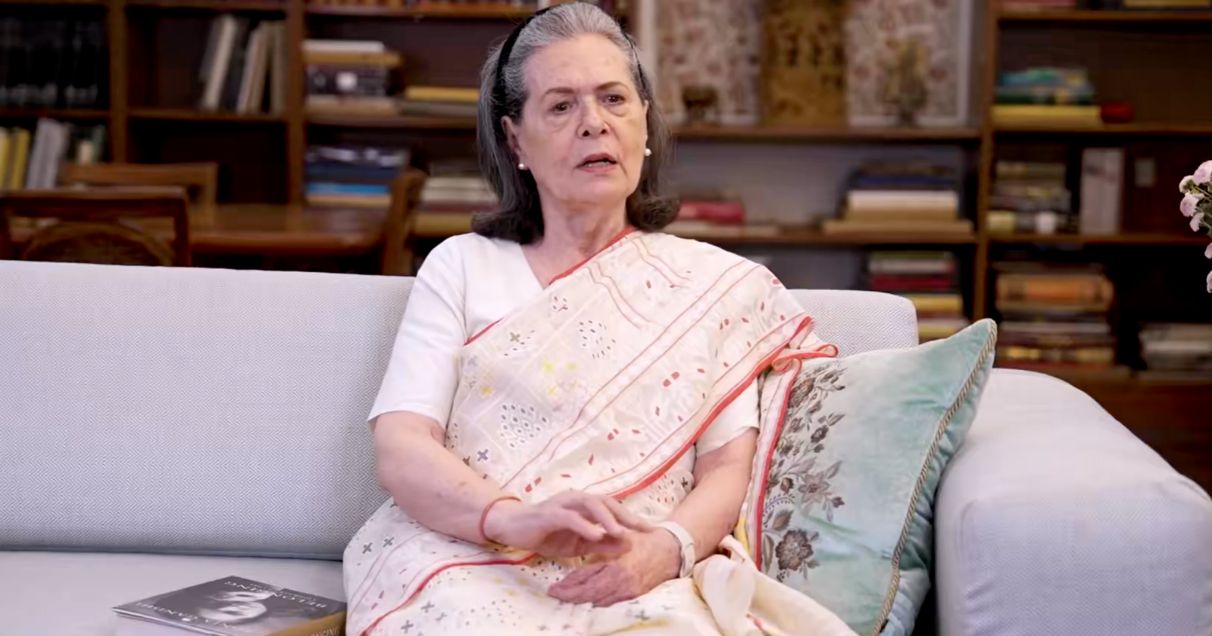
Sonia Gandhi has said the Supreme Court's decision to end the criminal proceedings against former Prime Minister Manmohan Singh over the coal block allocation case has finally put to rest what she described as a prolonged political campaign against him.
In an article published in The Indian Express, the Congress Parliamentary Party chairperson recalled Singh's prediction at his final press conference as prime minister in January 2014 that history would judge him more kindly than the contemporary media and Opposition.
According to Gandhi, the Supreme Court's July 29 judgment has now given new weight to those words.
The top court closed the criminal proceedings against Singh by setting aside a summoning order issued by the trial court. Singh, who died on December 27, 2024, had been named in the high-profile coal block allocation case.
Sonia Gandhi Calls Verdict A Vindication
Gandhi described the ruling as an important moment in India's political history, arguing that it vindicated Singh's reputation for integrity and accountability.
She criticised what she called a coordinated campaign against the former prime minister, alleging that sections of the political establishment, bureaucracy, media and other institutions had contributed to attacks on his credibility.
Gandhi also pointed out that the Supreme Court questioned the trial court's decision to reject the CBI's closure reports and make adverse observations against Singh without what the apex court considered sufficient justification.
Attack On Modi Government
Turning her criticism towards the Narendra Modi government, Gandhi alleged that investigative agencies such as the CBI and Enforcement Directorate have been used to exert political pressure on Opposition leaders.
She accused the government of treating political figures differently depending on whether they remain in the Opposition or join the BJP.
Gandhi also recalled Prime Minister Modi's 2017 Rajya Sabha remark about Singh, saying it represented one of the harshest moments in Parliament's political discourse.
Singh's Record In Government
Gandhi argued that the controversy surrounding Singh had overshadowed the achievements of the UPA government during his tenure.
She highlighted strong economic growth, expansion of consumption and private investment, the Right to Education Act, MGNREGA, the National Food Security Act and the Forest Rights Act among the initiatives she said had a lasting impact.
She also credited Singh with helping deliver the India-US civil nuclear agreement, describing it as a major foreign-policy achievement that changed India's position in the global nuclear order.
'Students Had Freedom To Protest'
Gandhi contrasted Singh's approach towards civil society and student demonstrations with the handling of protests under the present government.
She said Singh regularly engaged with Parliament and the media, pointing to his more than 100 unscripted press conferences during his tenure.
She also argued that civil society and students had greater space to challenge the government during the UPA years.
'History Will Remember Him Kindly'
Gandhi said the allegations that had questioned Singh's integrity had ultimately failed to diminish his record as prime minister.
She described his tenure as a period of significant economic, political and social change and expressed regret that Singh was no longer alive to witness the Supreme Court verdict.
For Gandhi, the ruling has given fresh significance to the former prime minister's own prediction from 2014 — that history, rather than his contemporary critics, would ultimately determine his legacy.