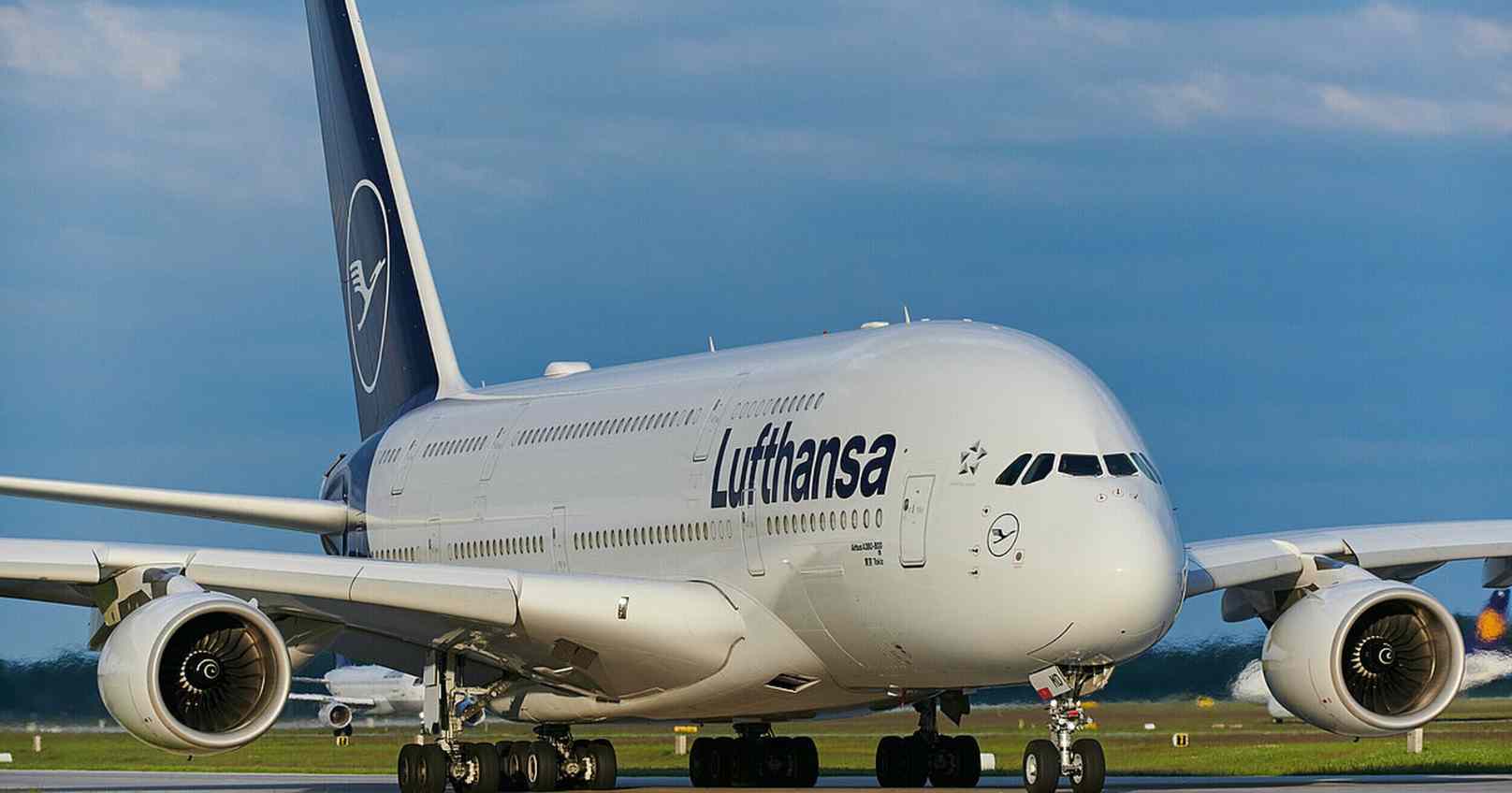
Germany’s national carrier Lufthansa has come under fire after confirming that around 500 travellers were stuck overnight aboard five of its aircraft at Munich Airport.
The disruption unfolded following severe weather conditions, runway restrictions and what officials described as a lack of available apron buses and drivers. Flights bound for multiple European and international destinations were affected, including services to Copenhagen, Singapore, Gdansk, Graz and Venice.
According to German broadcaster RTL, one of the impacted services — Flight LH 2446 to Copenhagen — had 123 passengers who remained inside an Airbus A320 parked at a remote stand from late Thursday night into Friday morning. Reports suggested that the scale of the situation extended beyond that single flight, with several other aircraft also unable to return passengers to the terminal.
A Lufthansa spokesperson acknowledged that five aircraft from the group were caught in the disruption. These included Flight LH 768 (Munich–Singapore), LH 2446 (Munich–Copenhagen), LH 1646 (Munich–Gdansk), EN 8016 (Munich–Graz) and EN 8206 (Munich–Venice), the latter two operated by subsidiary Air Dolomiti.
Although departures had been granted an extension until 1 am due to earlier delays and cancellations, airport operations were eventually halted. Aircraft were reportedly required to move to remote parking areas rather than remain at terminal gates. However, buses meant to ferry passengers back to the main building were not immediately available.
Lufthansa said that apron bus shortages at the airport operator, Munich Airport GmbH (FMG), delayed disembarkation. The airline added that crew members provided refreshments from onboard supplies and kept passengers informed as they waited for transport to arrive. Travellers were eventually transferred to the terminal after several hours.
Airport representatives later indicated that bus capacity on the apron was limited during the night, with reports suggesting that staffing constraints further compounded the problem.
In the aftermath, affected passengers have called for compensation and clearer accountability, as questions mount over contingency planning during large-scale operational disruptions.