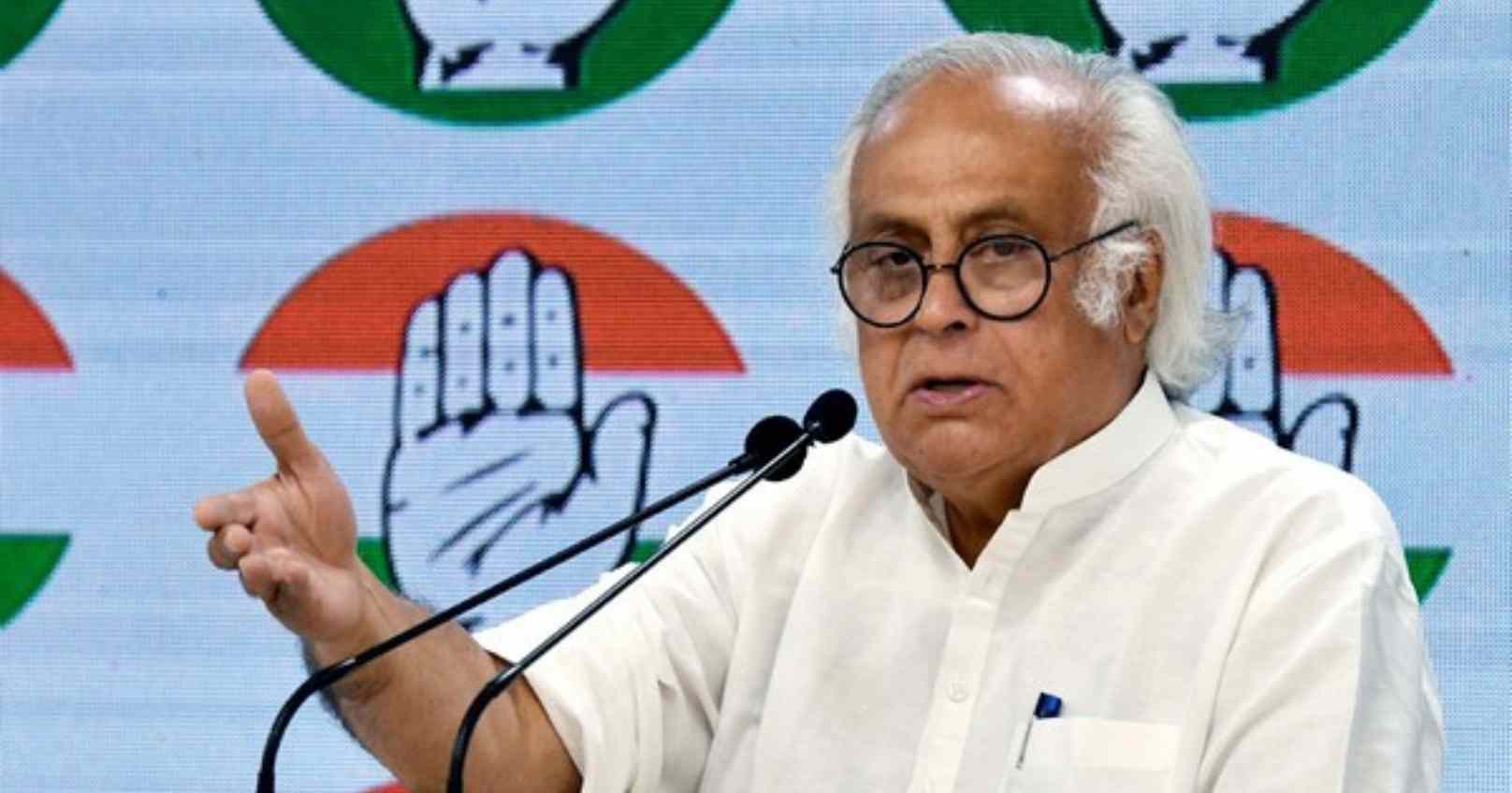
Congress MP Jairam Ramesh has highlighted what he describes as a sharp decline in parliamentary scrutiny of legislation, pointing out that 71% of Bills introduced during the 15th Lok Sabha (2009–2014), under the UPA government led by Dr. Manmohan Singh, were referred to Parliamentary Standing Committees for detailed examination. In contrast, he claimed that only 16% of Bills between 2019 and 2024 were referred to such committees. These figures are consistent with data published by PRS Legislative Research.
His remarks came while urging that the Indian Statistical Institute Bill, 2026 be referred to the Parliamentary Standing Committee on Finance for wider consultations before being taken up further.
Ramesh also alleged that in recent years, the government has increasingly preferred referring certain Bills to Joint Parliamentary Committees (JPCs) headed by BJP MPs instead of Department-related Standing Committees, particularly where the Standing Committee was chaired by an Opposition MP.
Drawing a comparison with the UPA era, Ramesh said that even landmark legislations such as the Mahatma Gandhi National Rural Employment Guarantee Act (MGNREGA) and the Right to Fair Compensation and Transparency in Land Acquisition, Rehabilitation and Resettlement Act, 2013 were referred to Parliamentary Standing Committees chaired by BJP leaders, including Kalyan Singh and Sumitra Mahajan, before being enacted.
Who is Jairam Ramesh?
Jairam Ramesh is a senior Congress leader, Rajya Sabha MP from Karnataka, and currently serves as the General Secretary (Communications) of the Indian National Congress, making him one of the party’s principal public voices. An economist by training, he studied at IIT Bombay and later at Carnegie Mellon University in the United States. During the UPA government led by Dr. Manmohan Singh, he served in several key ministerial roles, including Minister of State (Independent Charge) for Environment and Forests (2009–2011), Minister for Rural Development (2011–2013), and Minister for Drinking Water and Sanitation (2011–2014). Closely associated with public policy and economic reforms since the 1980s, he has advised multiple Prime Ministers and governments on economic and environmental issues. In Parliament, he is widely known for his detailed interventions on legislation, parliamentary committee work, environmental policy, federalism, and constitutional and parliamentary procedure