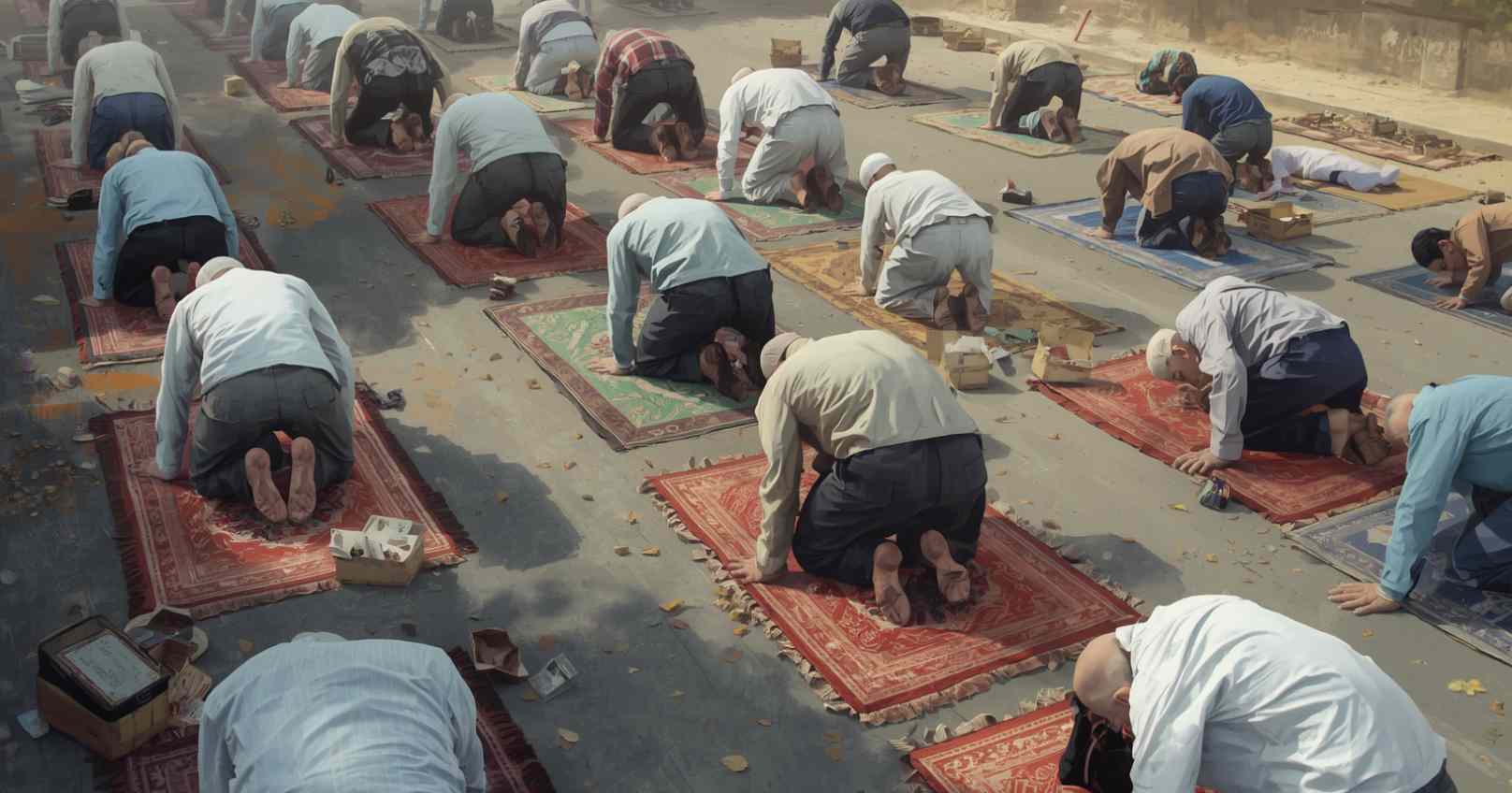
The Allahabad High Court has clarified that public property cannot be treated as an automatic venue for offering namaz or conducting recurring religious assemblies, emphasising that the right to practise religion is subject to limitations tied to public order and the rights of others.
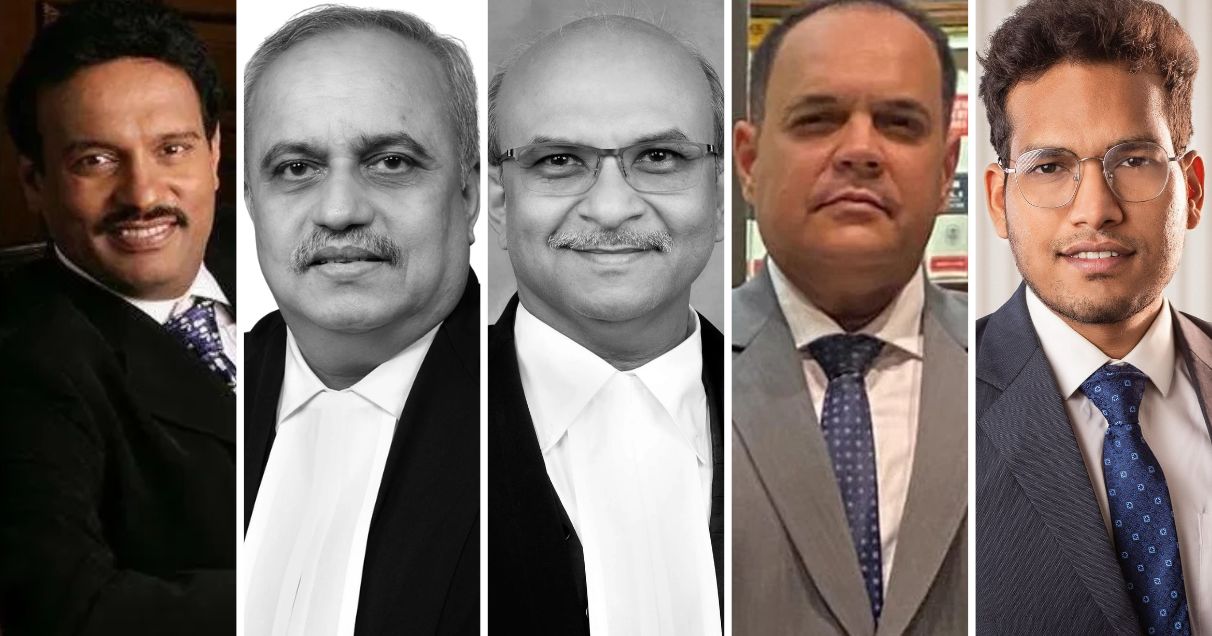
The ruling came while the court rejected a petition seeking protection to conduct prayers on a parcel of land in Ikona village, located in Uttar Pradesh’s Sambhal district. The matter was heard by a division bench comprising Justices Garima Prasad and Saral Srivastava.
The petitioner, Aseen, asserted that the land in question belonged to him under a registered gift deed executed in June 2023. He claimed that authorities were obstructing him from offering namaz there and argued that prayers performed on private property should not require official approval. He maintained that such restrictions infringed upon his constitutional guarantee of religious freedom.
The Uttar Pradesh government contested the claim, stating that official revenue records categorised the plot as “Abadi” land, which is meant for common use by residents. According to the state, the petitioner had not sufficiently demonstrated lawful ownership. Government counsel also pointed out that the gift deed relied upon by the petitioner did not clearly identify the land through survey numbers or other definitive markers, instead referencing only general boundaries.
Authorities further informed the court that namaz had historically been performed at the site only on the occasion of Eid. They alleged that the petitioner was attempting to transform this limited practice into a regular congregational activity by inviting attendees from within and beyond the village, raising concerns about potential social and administrative complications.
In its judgment, the bench observed that although the Constitution protects the freedom to profess and practise religion, such rights are not absolute. They are expressly conditioned by considerations of public order, morality and health.
The court distinguished between individual worship conducted privately and organised gatherings that draw larger crowds. While personal prayer within a home or restricted private setting remains safeguarded, the bench noted that once a religious activity assumes a public dimension, it becomes open to reasonable regulation by the authorities.
The judges also stated that officials are not required to wait for a breakdown of peace before intervening. Preventive measures can be taken if there is a likelihood that an activity may disrupt communal harmony or public convenience.
As the petitioner was unable to establish ownership and the land continued to be classified as public property, the court declined to grant the requested relief.