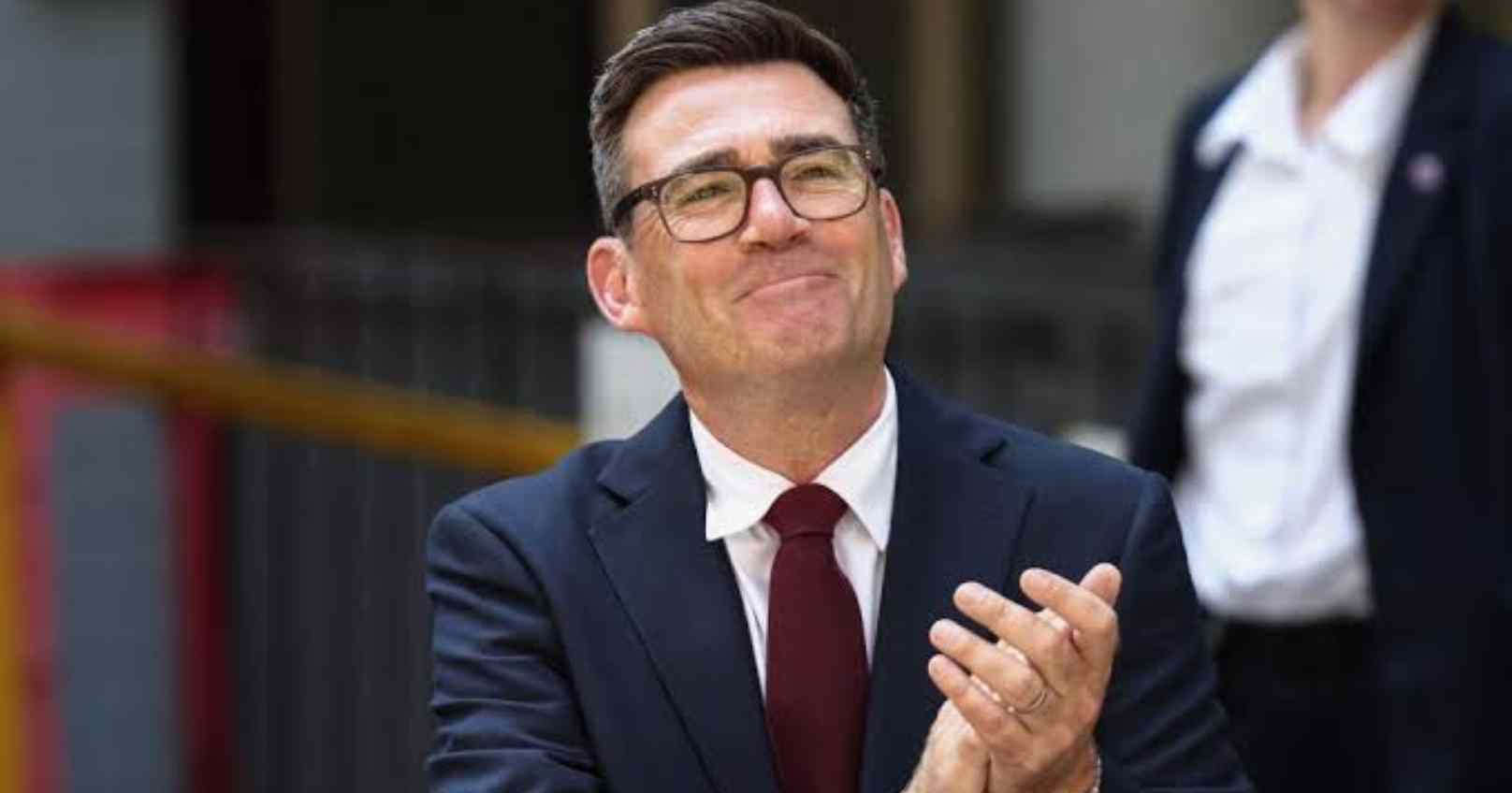
Andy Burnham will officially become the United Kingdom's new prime minister on Monday, succeeding Keir Starmer and becoming the country's seventh leader in just over a decade. His appointment marks the beginning of a new chapter for the Labour government as it seeks to address economic challenges and rebuild public confidence.
The transition will begin with Starmer delivering his farewell address outside 10 Downing Street before travelling to Buckingham Palace to formally resign. King Charles III will then invite Burnham to form a government, following constitutional convention.
Burnham Promises Fresh Political Direction
Soon after taking office, Burnham is expected to outline his government's priorities in his first speech as prime minister. According to his office, he will call for a more stable and responsible style of politics while acknowledging the country's economic and social challenges.
The former Greater Manchester mayor is expected to argue that long-term political stability is essential to delivering meaningful improvements in people's lives, particularly at a time when many households continue to struggle with rising living costs and pressure on public services.
Cabinet Appointments Under Close Watch
One of Burnham's first major tasks will be selecting his cabinet, with particular attention focused on who will be appointed as Chancellor of the Exchequer. The choice is considered crucial, given the finance minister's central role in shaping economic policy and government spending.
Labour insiders have been speculating over several possible candidates. While Energy Secretary Ed Miliband was initially viewed as a leading contender, recent reports suggest Home Secretary Shabana Mahmood has emerged as a strong possibility. Burnham, however, has dismissed speculation and said no final decisions have been made.
Economy and Public Services Top Agenda
Burnham has repeatedly stressed that improving living standards will be at the heart of his administration. He has promised to reshape government priorities with the aim of making everyday life more affordable while ensuring economic growth benefits communities across the country.
His supporters believe his record as mayor and his appeal beyond London's political establishment could help Labour reconnect with voters, particularly in regions where the party faces increasing competition from Nigel Farage's Reform UK.
Early Policy Decisions Expected
The new government is expected to face immediate scrutiny over its approach to taxation, public spending, energy policy and the future of Britain's struggling utility companies.
One of the first policy reversals came even before Burnham formally assumed office, with ministers abandoning plans to require all workers to hold a digital identity document. The proposal, intended to tackle illegal migration, had faced criticism from lawmakers across party lines.
Attention is also likely to focus on Thames Water, Britain's largest water supplier, which continues to face financial difficulties and criticism over pollution incidents. Senior Labour figures have indicated the company could be placed under a form of government supervision if necessary.
Deputy Labour leader Lucy Powell said Burnham wants to redirect government resources towards tackling household financial pressures while reshaping the economy to deliver broader and more sustainable growth.
As Burnham prepares to take charge, expectations are high that his government will move quickly to address the issues voters have consistently identified as their biggest concerns, including affordability, public services and economic stability.