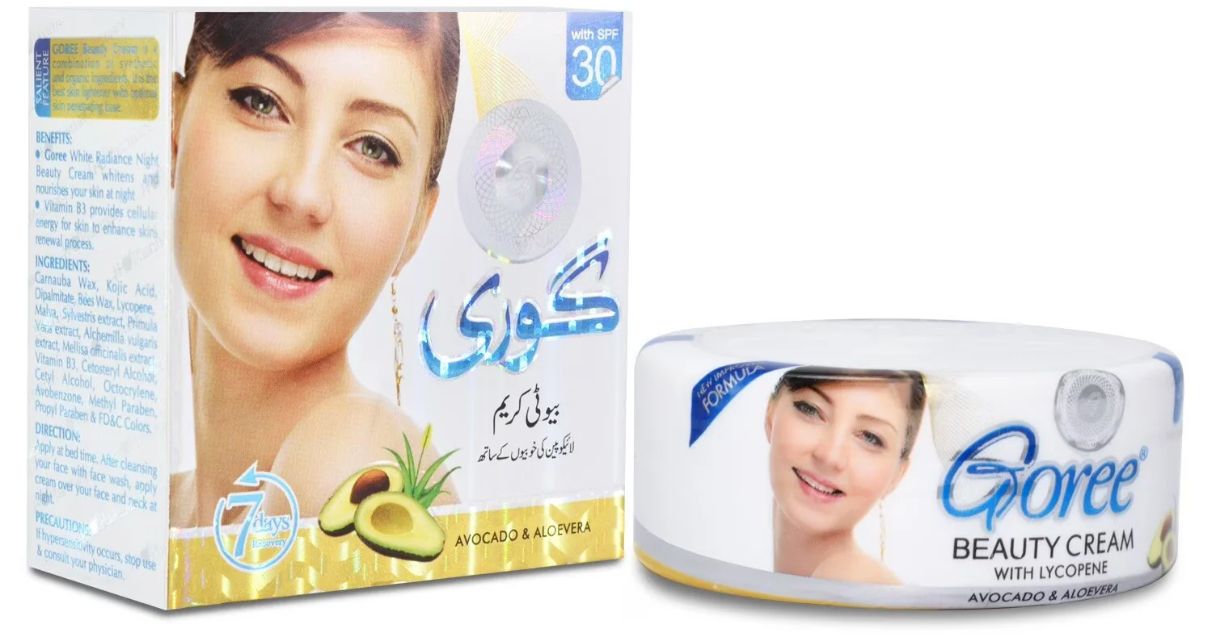
A Pakistani skin-lightening product flagged by health authorities for containing hazardous levels of mercury and lead continues to circulate in India, even as restrictions on trade with Pakistan remain in place. The cream, sold under the Goree Beauty Cream brand, is reportedly available in several states, including Maharashtra and Madhya Pradesh, as well as through online shopping platforms.
Priced between Rs 380 and Rs 800, the product has come under scrutiny after laboratory tests revealed mercury concentrations of around 5,000 parts per million (ppm). The permissible level cited by health experts is below 1 ppm.
Medical experts have warned that prolonged exposure to mercury and lead can have serious consequences, as these metals can enter the body through the skin and potentially damage vital organs.
The science behind the skin-lightening effect
Doctors say the cream's apparent whitening effect is linked to the way its ingredients interfere with melanin, the pigment that gives skin its colour.
Mercury and lead disrupt the body's normal melanin production, making the skin appear lighter. However, the effect is temporary. Once a person stops applying the product, the skin gradually returns to its original colour.
Experts caution that the cosmetic effect comes at a potentially serious cost to health, particularly when the cream is used repeatedly over an extended period.
From skin irritation to organ damage
The initial effects of using the cream may include redness, itching and irritation. Continued application can cause the skin to become thinner, making blood vessels more prominent.
The danger, however, may extend well beyond the skin. Once absorbed into the bloodstream, mercury and lead can reach the brain and nervous system, where they act as neurotoxins. Exposure can result in lasting damage.
The metals may also accumulate in organs responsible for filtering and processing toxins, particularly the kidneys and liver. Health experts have warned that such exposure can lead to severe complications.
Maharashtra ban fails to stop circulation
The product was banned in Maharashtra after doctors investigating cases of serious kidney damage among 18 women identified a common link: their use of Goree Beauty Cream.
Subsequent laboratory testing detected mercury and lead in the product, prompting action by the state authorities.
Despite the ban, the cream reportedly remains accessible in local markets and on e-commerce platforms in Maharashtra and neighbouring Madhya Pradesh.
Police sources said consignments are allegedly being brought into Madhya Pradesh through Amravati and Nagpur before being transported via Khandwa and Burhanpur to other parts of the state. Investigators are examining the routes used to bring the products into India.
Safety alerts issued in other countries
Goree-branded skin-lightening products have also faced regulatory action overseas.
In 2021, New Zealand's medicines regulator, Medsafe, advised consumers to stop using Goree Beauty Cream with Lycopene after laboratory tests detected mercury and lead.
Four years later, the Philippines Food and Drug Administration issued a public health advisory warning against the company's products. The regulator cited concerns over the absence of required approval and potential safety risks.
The Philippines FDA also flagged violations of cosmetic labelling rules. The products reportedly lacked essential information, including the manufacturer's name and address, batch number, manufacturing date and expiry date.
Despite these warnings and the action taken by regulators in multiple countries, the continued availability of the cream in India has raised questions about the enforcement of restrictions and the monitoring of products sold through online marketplaces.