The Supreme Court on Wednesday took up a crucial question in the marital rape debate: can a husband be prosecuted for raping his wife despite the statutory marital rape exception?
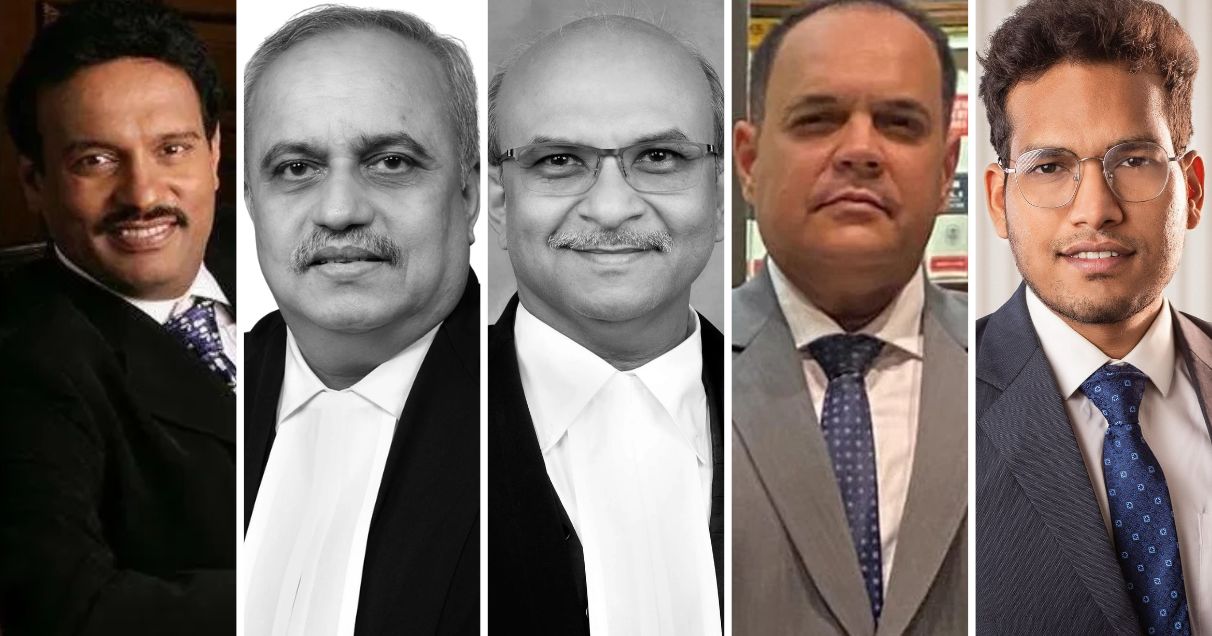
A bench headed by Chief Justice of India Surya Kant, with Justices Joymalya Bagchi and V Mohana, said it would first examine a Karnataka case before considering the broader constitutional challenge to the exception.
The Karnataka High Court had allowed rape proceedings against a husband to continue. Senior advocate Indira Jaising, appearing for the wife, argued that the woman had allegedly been treated virtually as a “sex slave” and that prosecution could be sustained through an interpretation of the existing law without necessarily striking down the exception.
The Supreme Court will therefore consider two questions: whether the existing exception can be interpreted narrowly enough to permit prosecution in certain cases, and whether the exception itself is unconstitutional.
Justice Bagchi observed that marriage does not extinguish individual autonomy, while also stressing that courts must exercise particular caution when interpreting penal statutes.
Senior advocate Karuna Nundy referred to the expansion of India's rape laws following the Nirbhaya case and also raised questions arising from the Bharatiya Nyaya Sanhita's omission of the erstwhile IPC Section 377.
Solicitor General Tushar Mehta said the Centre would assist the court on the legal issues and rely on its responses already filed in the connected cases.
The matters have been listed for final hearing after three weeks.
The proceedings could ultimately determine one of the most consequential questions in Indian sexual-offence law: whether marriage can continue to operate as an exception to rape.