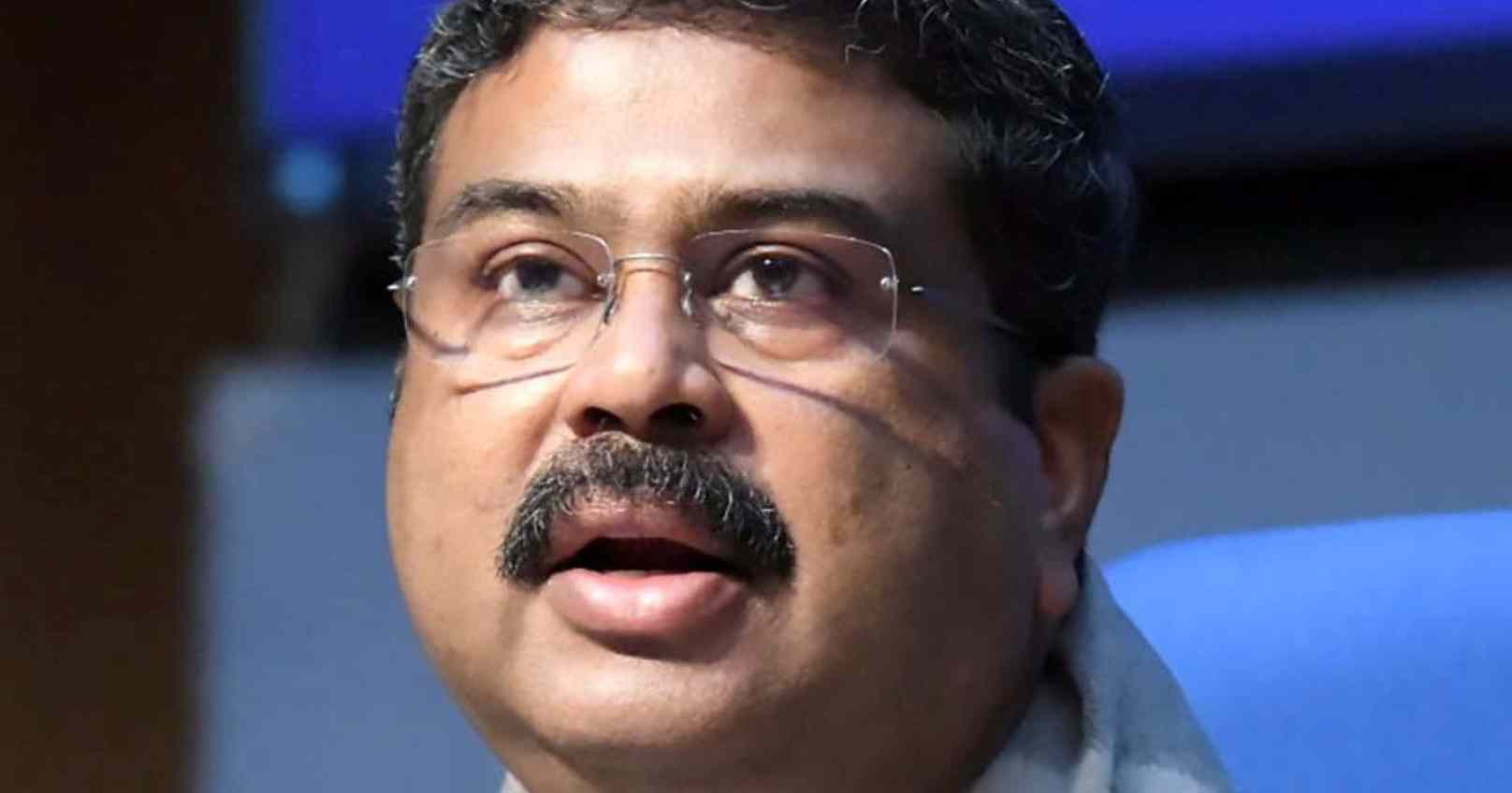
The Centre has made it clear that Union Education Minister Dharmendra Pradhan will not resign over the controversy surrounding the NEET-UG examination, dealing a major setback to the Cockroach Janta Party's campaign for his removal.
Government sources said there was no possibility of Pradhan stepping down, arguing that resignation would be an easy way out rather than an effort to address the problems facing the country's examination system.
According to the sources, the government believes it has been given a mandate to tackle the issue and intends to remain focused on delivering reforms. Officials are working on a detailed plan to address weaknesses within the National Testing Agency (NTA), with corrective measures expected to be implemented shortly.
The government also pointed to action already taken against organised networks allegedly involved in leaking examination papers. Officials said several such groups have been identified and dismantled, while further investigations and arrests are expected.
The Centre's position came as the CJP continued its campaign at Delhi's Jantar Mantar, where the resignation of Pradhan remains one of its central demands. The protest group has been seeking accountability over alleged examination irregularities and has refused to withdraw its demand for the minister's exit.
Representatives of the CJP met Union Ministers JP Nadda and Jitendra Singh at Vithalbhai Patel House on Friday for discussions lasting around two hours. During the meeting, the protesters reportedly reiterated that Pradhan's resignation was not open to negotiation.
The group also called for a public apology from the Centre, the Rapid Action Force and the Delhi Police Commissioner over alleged excesses during Monday's 'Sansad Chalo' demonstration.
CJP spokesperson Saurav Das said the organisation had placed several other demands before the government, including financial assistance of Rs 1 crore for the families of students who allegedly died by suicide following the cancellation of the May 3 NEET examination. The group also sought the withdrawal of cases registered against protesters and implementation of its proposed reforms to the examination system.
In a formal letter submitted to the government, the CJP said it had gathered feedback from supporters and participants across the country before finalising its demands. It warned that the movement could be expanded nationally if the government failed to accept them.
JP Nadda said the government had listened to the protesters' concerns and would examine their demands before responding. Another round of discussions between the two sides is expected on Saturday, making Friday's meeting the third formal engagement between the government and the protest group.
The talks took place shortly after activist Sonam Wangchuk called off his 26-day hunger strike at Medanta Hospital in Gurugram following assurances from the government on issues raised by him. Wangchuk had joined the protest movement in June and was later removed from the Jantar Mantar site after his health deteriorated.
He was initially taken to Safdarjung Hospital, but his wife, Gitanjali J Angmo, approached the Delhi High Court seeking his transfer to a private medical facility. The court subsequently allowed him to be shifted to Medanta for continued treatment.
Meanwhile, the Centre has moved on another front by preparing stricter legal measures against examination malpractice. Prime Minister Narendra Modi announced that the government would bring legislation before Parliament to deal more firmly with paper leaks, following which the Union Cabinet approved the draft Bill.
The CJP agitation, which began on June 6, intensified after Wangchuk started his hunger strike on June 28. Despite ongoing negotiations with the government, the organisation has maintained that its protest will continue until its principal demand for Pradhan's resignation is met.
The government, however, appears unwilling to concede that demand, maintaining that its priority is to overhaul the examination system, strengthen the NTA and take stringent action against those operating paper-leak networks.