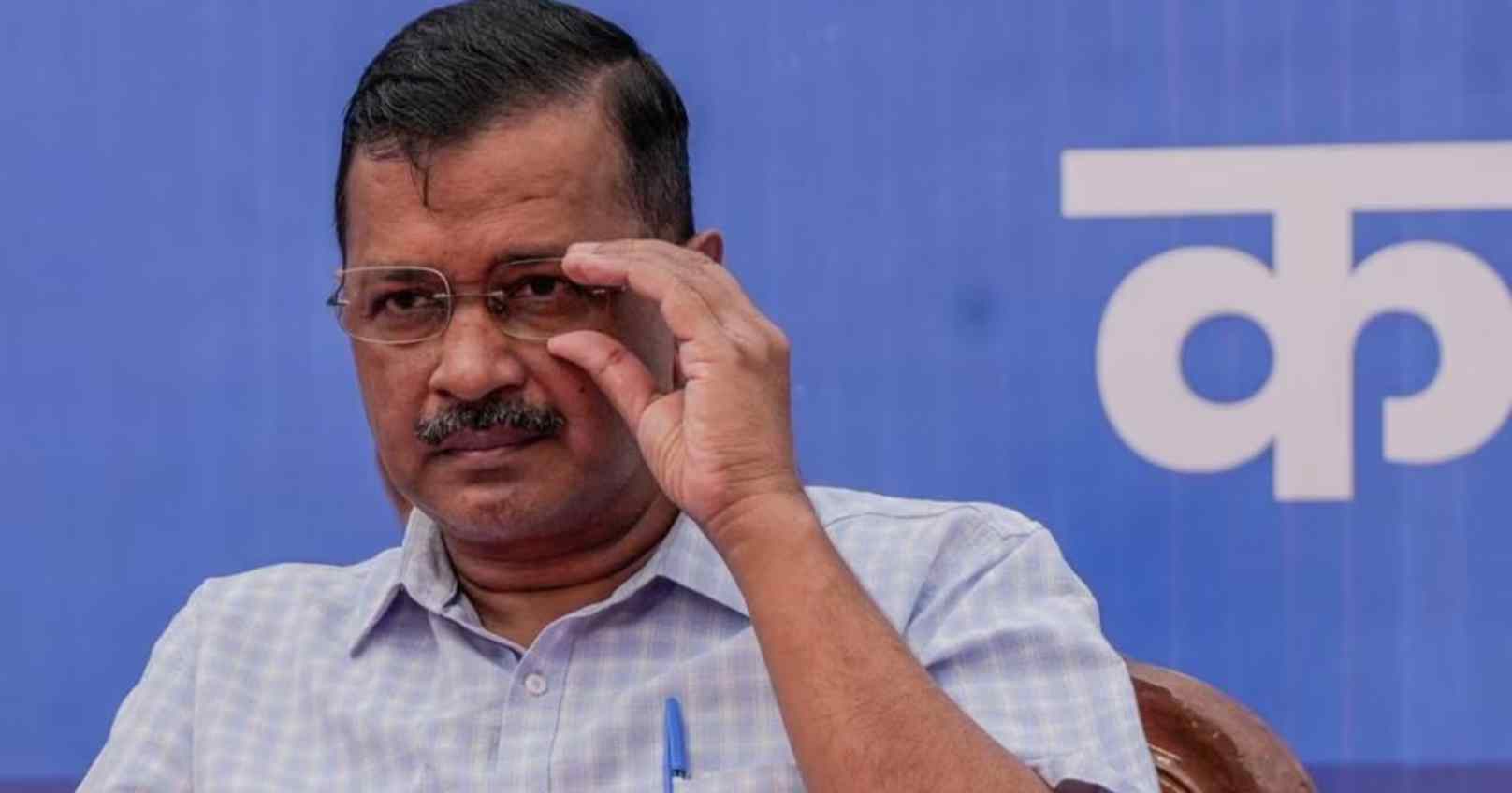
The Delhi High Court on Thursday commenced contempt proceedings against Aam Aadmi Party (AAP) chief Arvind Kejriwal and several senior party figures, citing what it described as a sustained and defamatory digital campaign aimed at undermining the court.
Justice Swarana Kanta Sharma observed that content circulating online was “highly vilifying” and amounted to an attack not just on her personally but on the institution of the judiciary. She stated that the material shared by the respondents crossed the limits of fair criticism and entered the realm of contempt.
The judge clarified that although she would continue to preside over the contempt matter — since it concerns allegations involving her and her family — the excise policy case would now be assigned to a different bench. She explained that transferring the primary matter was necessary to maintain judicial discipline and propriety, especially after initiating contempt proceedings.
According to Justice Sharma, while arguments in the excise case were ongoing in court, what she termed a “coordinated digital narrative” began unfolding on social media platforms. She alleged that edited videos and posts targeted her family members in an effort to intimidate both her and the judicial system.
Earlier, Kejriwal had questioned the judge’s impartiality and sought her recusal from the excise policy case. After the recusal request was declined, he announced that he would not participate in further hearings before her. In a post on social media platform X, Kejriwal said he had lost faith in receiving justice from the bench and framed his decision as one guided by conscience and the principles of Mahatma Gandhi.
Justice Sharma remarked that judges are expected to tolerate reasonable criticism, but warned that orchestrated attempts to erode public confidence in the courts strike at the heart of judicial independence. She emphasised that while restraint is central to judicial conduct, there are moments when silence cannot be equated with neutrality.
Along with Kejriwal, the contempt case names several AAP leaders, including Manish Sisodia, Durgesh Pathak, Sanjay Singh, Vinay Mishra, Devesh Vishwakarma and Saurabh Bhardwaj. The court also indicated it is gathering evidence against certain online content creators alleged to have amplified the controversial material, and noted that further directions may follow.
The development adds a new legal dimension to the ongoing proceedings related to the Delhi excise policy case, placing both political and judicial institutions at the centre of a widening confrontation.