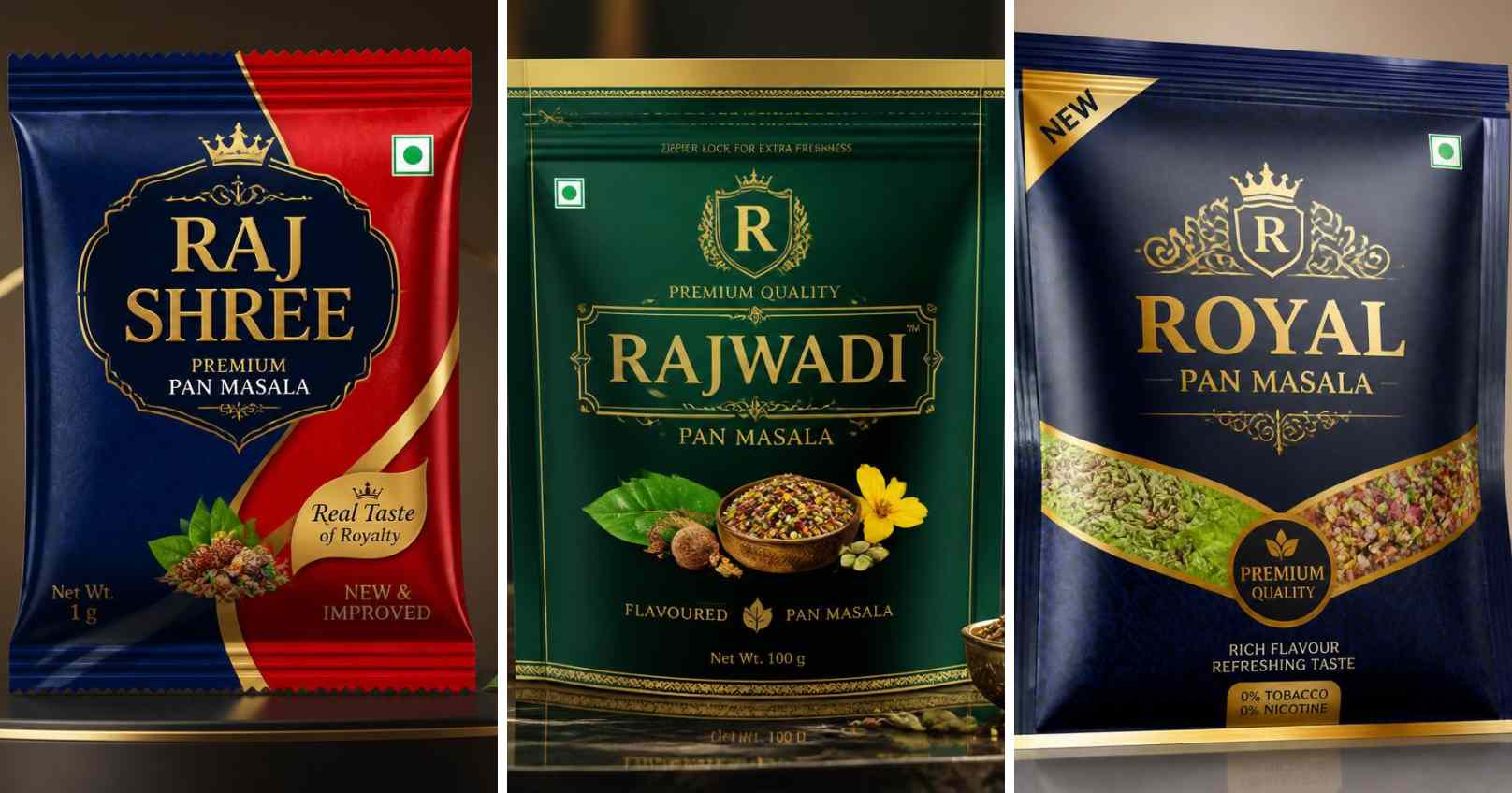
The Food Safety and Standards Authority of India (FSSAI) has brought in stricter rules governing the packaging of pan masala, with plastic and several commonly used packaging layers now excluded from the list of permitted materials.
The new provisions were notified on August 10 through the Food Safety and Standards (Packaging) Amendment Regulations, 2026, published in the Gazette of India. The amendment changes the existing Food Safety and Standards (Packaging) Regulations, 2018.
Under the revised framework, pan masala has been added to Schedule 4, which sets out suggested packaging materials for food products.
What materials can be used?
Manufacturers can use paper, paperboard, cellulose and other naturally derived materials to package pan masala. However, these materials must be entirely free of plastic.
The rules specifically exclude materials such as polyethylene, polypropylene, polyester and polyvinyl chloride (PVC). Synthetic polymers, copolymers and laminates are also not allowed.
The restrictions also cover packaging that may appear plastic-free on the outside but contains prohibited layers underneath. Paper-based packaging incorporating aluminium foil or metallised layers will not qualify under the new specifications.
Apart from these naturally derived materials, FSSAI has explicitly listed tin and glass containers as permitted alternatives for pan masala packaging.
Plastic Waste Management Rules also applicable
The amendment additionally brings specified requirements under the Plastic Waste Management Rules, 2016, framed under the Environment (Protection) Act, 1986, into the regulatory framework for pan masala packaging.
The new provisions take effect from the date they were published in the Official Gazette.
Final rules issued after public consultation
The packaging changes follow a consultation process initiated earlier this year. FSSAI released the draft amendment on April 28, 2026, seeking objections and suggestions from stakeholders and other members of the public who could be affected by the proposed changes.
The draft remained open for feedback for 60 days. According to FSSAI, the submissions received during this period were examined before the final regulations were notified.
The amendment has been issued under the authority provided to FSSAI by the Food Safety and Standards Act, 2006, with the approval of the Central Government.
No ban on pan masala
The notification does not prohibit the manufacture or sale of pan masala. It is specifically concerned with the way the product is packaged.
The key change is that manufacturers will now have to move away from plastic-based packaging and ensure that paper, paperboard, cellulose and other naturally sourced packaging materials do not contain plastic, synthetic polymers, copolymers, laminates, aluminium foil or metallised layers.
Tin and glass remain the other packaging formats specifically permitted under the amended rules.
The Food Safety and Standards Authority of India (FSSAI) has brought in stricter rules governing the packaging of pan masala, with plastic and several commonly used packaging layers now excluded from the list of permitted materials.
The new provisions were notified on August 10 through the Food Safety and Standards (Packaging) Amendment Regulations, 2026, published in the Gazette of India. The amendment changes the existing Food Safety and Standards (Packaging) Regulations, 2018.
Under the revised framework, pan masala has been added to Schedule 4, which sets out suggested packaging materials for food products.
What materials can be used?
Manufacturers can use paper, paperboard, cellulose and other naturally derived materials to package pan masala. However, these materials must be entirely free of plastic.
The rules specifically exclude materials such as polyethylene, polypropylene, polyester and polyvinyl chloride (PVC). Synthetic polymers, copolymers and laminates are also not allowed.
The restrictions also cover packaging that may appear plastic-free on the outside but contains prohibited layers underneath. Paper-based packaging incorporating aluminium foil or metallised layers will not qualify under the new specifications.
Apart from these naturally derived materials, FSSAI has explicitly listed tin and glass containers as permitted alternatives for pan masala packaging.
Plastic Waste Management Rules also applicable
The amendment additionally brings specified requirements under the Plastic Waste Management Rules, 2016, framed under the Environment (Protection) Act, 1986, into the regulatory framework for pan masala packaging.
The new provisions take effect from the date they were published in the Official Gazette.
Final rules issued after public consultation
The packaging changes follow a consultation process initiated earlier this year. FSSAI released the draft amendment on April 28, 2026, seeking objections and suggestions from stakeholders and other members of the public who could be affected by the proposed changes.
The draft remained open for feedback for 60 days. According to FSSAI, the submissions received during this period were examined before the final regulations were notified.
The amendment has been issued under the authority provided to FSSAI by the Food Safety and Standards Act, 2006, with the approval of the Central Government.
No ban on pan masala
The notification does not prohibit the manufacture or sale of pan masala. It is specifically concerned with the way the product is packaged.
The key change is that manufacturers will now have to move away from plastic-based packaging and ensure that paper, paperboard, cellulose and other naturally sourced packaging materials do not contain plastic, synthetic polymers, copolymers, laminates, aluminium foil or metallised layers.
Tin and glass remain the other packaging formats specifically permitted under the amended rules.