Global ‘Oil War’ Escalates: What Gulf Strikes Mean for India’s Energy Security
Attacks on major energy hubs across the Gulf signal a dangerous escalation, raising fears of long-term global supply shocks
19-03-2026

The ongoing conflict involving Iran, Israel and the United States has taken a critical turn, with energy infrastructure now becoming a direct target. What began as a military confrontation has evolved into a high-stakes battle impacting global oil and gas supplies.
In a significant escalation, both sides have, for the first time, targeted installations linked to fossil fuel production. This shift marks a new phase where control over energy resources is being used as a strategic tool in the conflict.
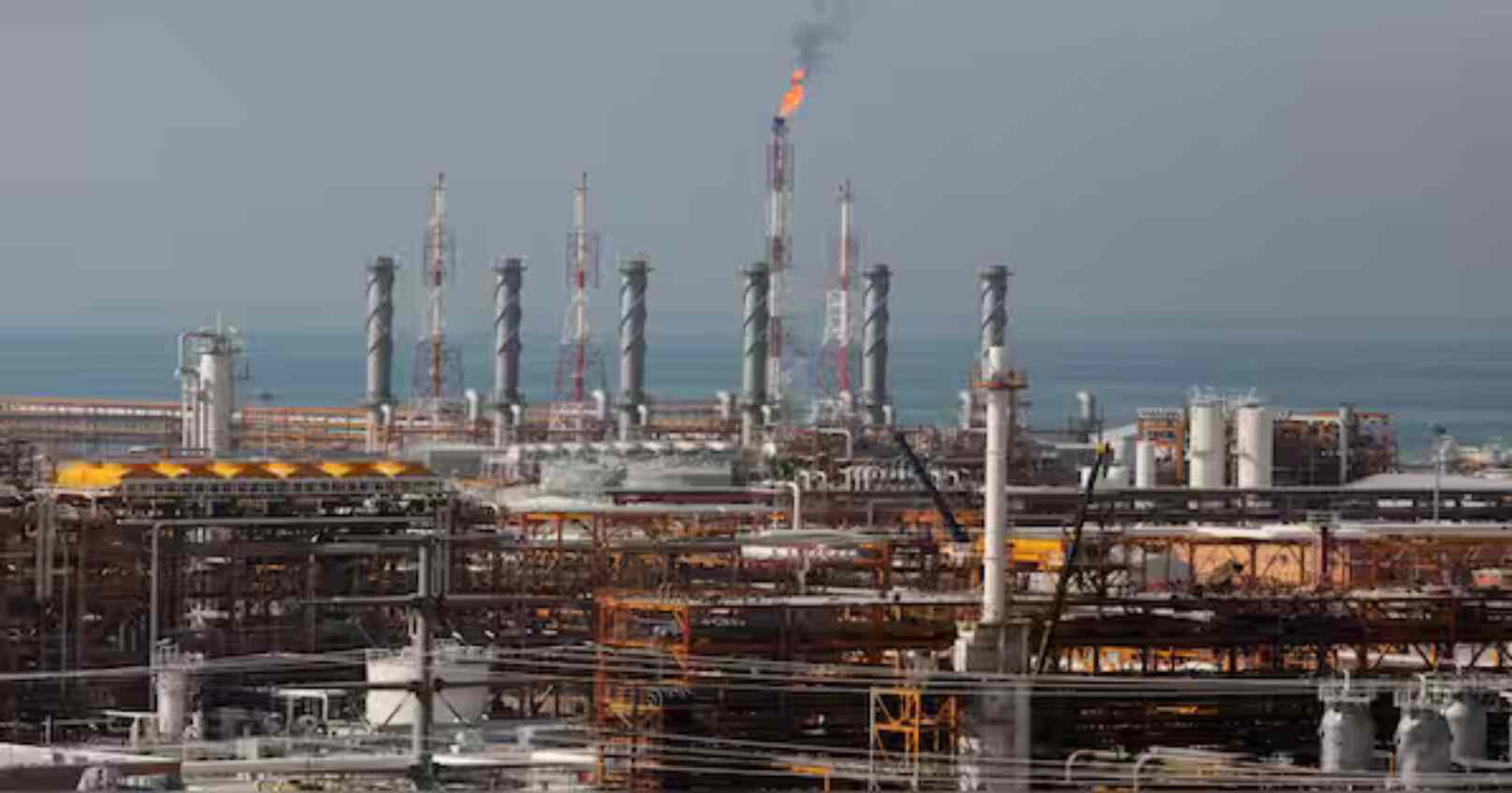
Until recently, strikes had largely avoided core energy facilities. Even when attacks were carried out on Kharg Island—a vital centre for Iran’s crude exports—the focus remained on military assets. However, the situation changed when Israel launched a strike on the South Pars gas field, the world’s largest natural gas reserve.
The move triggered swift retaliation from Tehran, which launched attacks on energy infrastructure across the Gulf region. Facilities in Saudi Arabia, Qatar and the United Arab Emirates came under fire, including refineries and gas processing plants, signalling a widening of the conflict.
The South Pars field holds immense global significance, supplying a substantial share of liquefied natural gas (LNG) and supporting Iran’s domestic energy needs. Its importance is heightened by the fact that it is jointly shared with Qatar, where it is known as the North Field—one of the world’s leading LNG sources.
Following the strikes, global markets reacted immediately. Oil prices surged past $100 per barrel, while gas prices also climbed, reflecting fears of prolonged disruption. For countries like India, which rely heavily on Gulf energy imports, the developments raise concerns about supply stability and rising costs.
Iran’s retaliatory actions extended to key sites such as the Ras Laffan industrial zone in Qatar and major facilities in the UAE. Some of the incoming missiles were intercepted, but the incidents have underscored the vulnerability of critical infrastructure in the region.
The escalation has also affected major export routes. With shipping already disrupted through the Strait of Hormuz, attacks on production centres add another layer of risk to global energy flows.
Experts warn that damage to such facilities could take years to repair, potentially causing long-term disruptions. Historical precedents suggest that restoring full production after similar attacks can be a prolonged process.
As the conflict enters its third week, it is increasingly evident that economic pressure—particularly through energy supply disruptions—has become central to the strategy of the warring sides. The targeting of oil and gas assets marks a significant and concerning shift, with consequences likely to be felt far beyond the region.


Donald Trump has again claimed that threats of 250 per cent tariffs helped stop the 2025 India-Pakis
Read More
The BJP has alleged a rift between Rahul Gandhi and Priyanka Gandhi Vadra over the removal of photog
Read More
Sonia Gandhi has joined X with a memory of meeting Rajiv Gandhi in Cambridge, introducing her upcomi
Read More