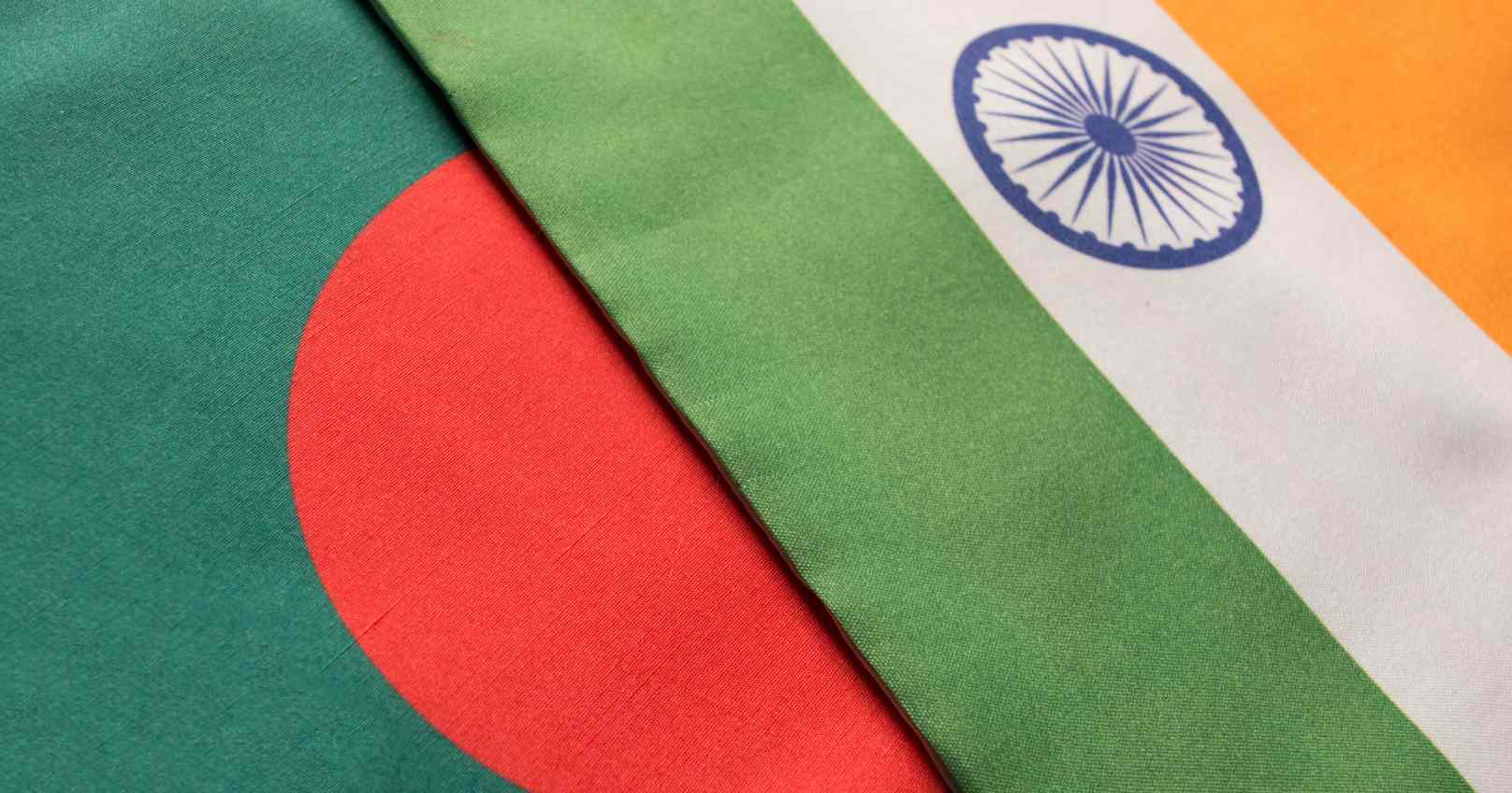
India’s High Commissioner to Bangladesh, Dinesh Trivedi, held a meeting with Prime Minister Tarique Rahman on Monday, in a significant diplomatic engagement as relations between New Delhi and Dhaka remain under strain.
The meeting lasted around 30 minutes and marked Trivedi’s first courtesy call on Rahman since taking charge as India’s envoy in Dhaka. While details of their conversation were not disclosed, the engagement is being viewed as an effort to maintain communication between the two governments.
The meeting comes days after former Bangladesh Prime Minister Sheikh Hasina addressed the media virtually from New Delhi, saying she planned to return to Bangladesh in December. Her remarks drew a strong response from Dhaka and added another layer of tension to India-Bangladesh relations.
Trivedi, Rahman Meet Amid BRICS Uncertainty
Rahman has been invited by India to attend the BRICS summit in New Delhi on September 12 and 13. However, speculation has emerged over whether the Bangladeshi leader will travel to India for the event.
It was not immediately known whether the upcoming summit or other bilateral issues featured in Monday's discussion.
A post by the Bangladesh High Commission in New Delhi said the meeting was expected to contribute to strengthening engagement and relations between the two neighbouring countries.
Trivedi had on Sunday indicated that a direct meeting between Rahman and Prime Minister Narendra Modi could help resolve some of the issues affecting bilateral ties.
Indian Envoy Meets Bangladesh Foreign Minister
Before meeting Rahman, Trivedi also held talks with Bangladesh Foreign Minister Khalilur Rahman on Sunday.
Neither side released details about that conversation, with officials describing it as a pre-scheduled meeting.
The diplomatic engagements come at a sensitive moment for relations between the two countries, with several contentious issues continuing to dominate discussions.
Sheikh Hasina's New Delhi Address Adds Tension
Relations have faced renewed pressure since Hasina's virtual interaction from New Delhi on August 5.
During the address, Hasina said she intended to return to Bangladesh in December and spoke about restoring democracy in the country. She also indicated that she was prepared to face the legal consequences of her return.
Dhaka strongly objected to the event, arguing that allowing Hasina to make political statements from Indian territory affected Bangladesh's sovereignty and public sentiment.
India's Ministry of External Affairs later said New Delhi had no role in organising the event and did not endorse comments made there about Bangladesh's government.
Hasina fled to India in August 2024 after a violent student-led uprising brought down her government. Bangladesh has since sought her extradition after she was sentenced to death in absentia by a special tribunal in November 2025 over alleged crimes against humanity.
A Difficult Reset Between Delhi And Dhaka
The latest diplomatic exchanges come as India and Bangladesh attempt to manage a complicated relationship following the BNP's return to power in Bangladesh earlier this year.
Several issues have complicated the relationship, including Hasina's extradition, border-related concerns and Bangladesh's growing engagement with China.
Dhaka has maintained that Hasina would have to return and face the legal process if she comes back to the country. Against this backdrop, the meeting between Trivedi and Rahman assumes significance as both governments seek to keep diplomatic channels open despite continuing disagreements.