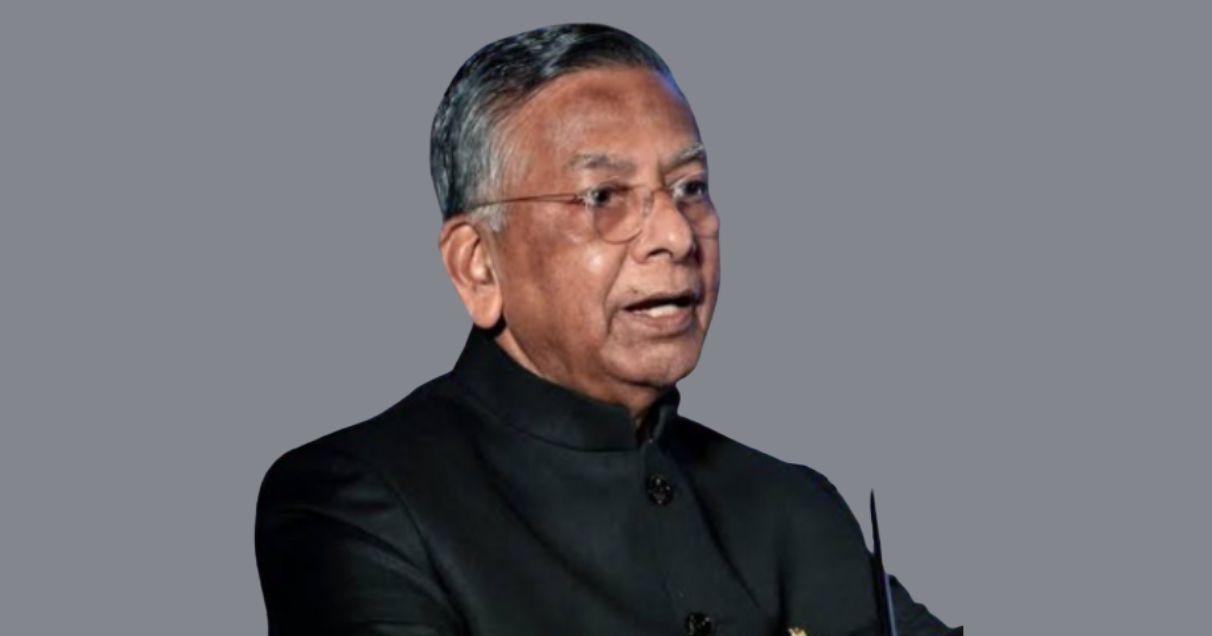
Attorney General R Venkataramani has pushed back against what he described as persistent criticism of India’s arbitration regime, arguing that assessments of the country's dispute-resolution system should take into account how it functions in practice.
Speaking at the India-Singapore Legal Bridge event during Singapore Convention Week 2026, Venkataramani said discussions on arbitration in India often concentrate heavily on perceived weaknesses in the country's legal framework.
He said such criticism can overlook the progress India has made and the realities of how its legal system operates.
However, the Attorney General also stressed that acknowledging improvements should not mean refusing to change outdated practices.
He said India must be willing to move away from long-standing approaches that no longer adequately address the requirements of modern commerce.
According to Venkataramani, reforms should extend well beyond making isolated amendments to existing legislation or simplifying individual procedures. He called for a broader transformation of India's dispute-resolution architecture to keep pace with changing investment patterns and rapid technological developments.
He also questioned whether traditional principles of contract law remain adequate for increasingly complex international business relationships.
Venkataramani proposed exploring a new legal framework based on cooperation and a broader global commercial interest. He suggested that India, Singapore and the United Kingdom could jointly consider the possibility and design of such legislation.
The Attorney General also said improving the ease of doing business should not be limited to administrative initiatives such as single-window approval systems. The legal environment governing commercial disputes, he indicated, must evolve alongside other business reforms.
Highlighting Singapore's experience, Venkataramani praised the country's efforts to make dispute resolution more efficient and accessible.
He further advocated closer cooperation between India and Singapore in the legal and arbitration space, suggesting that the two countries should focus on collaboration rather than approaching one another primarily as rivals competing for international arbitration work.
The comments come amid wider efforts to strengthen India's position as a destination for investment and international commercial dispute resolution.