India has pushed back against criticism from the United Nations human rights office over the detention of protesters in Delhi, calling its intervention unwarranted and arguing that the matter falls within the country’s domestic jurisdiction.
In a statement posted on the India at UN account on X, New Delhi said the concerns raised by the Office of the United Nations High Commissioner for Human Rights (OHCHR) were misplaced. It also urged the UN body to apply its principles of impartiality consistently and pay comparable attention to major demonstrations in other parts of the world.
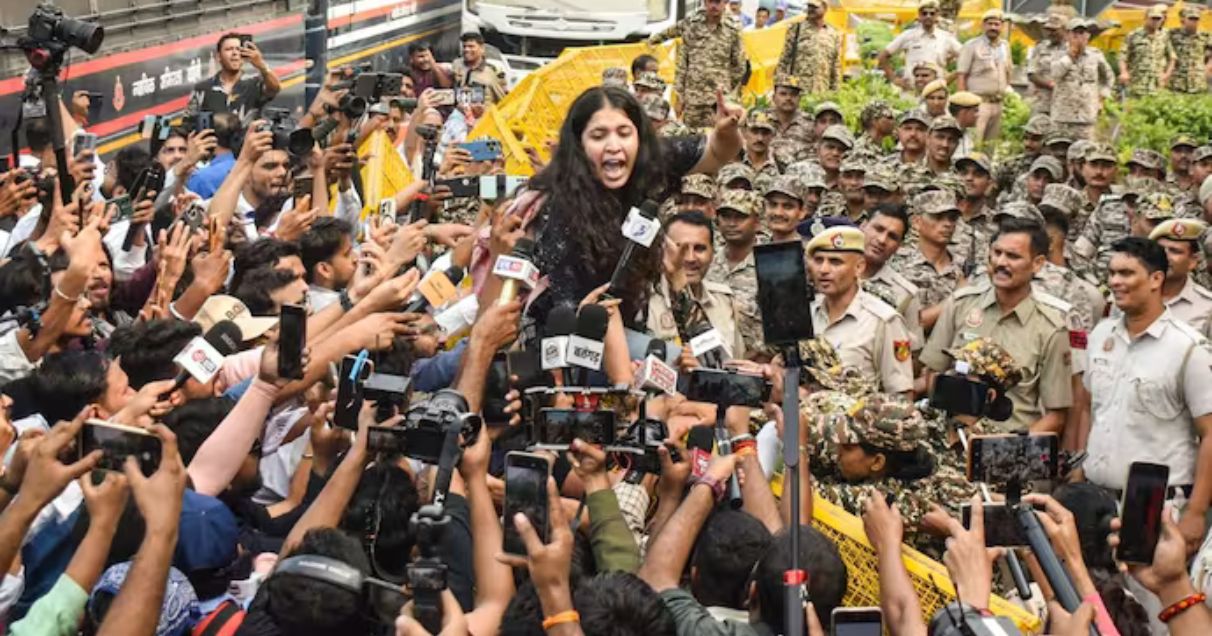
The response followed the detention of nearly 3,000 people, including supporters of the satirical political group Cockroach Janta Party (CJP), opposition figures and activists, during security operations linked to a planned demonstration at Jantar Mantar.
The protesters intended to demand the resignation of Chief Election Commissioner Gyanesh Kumar over alleged irregularities in the Special Intensive Revision (SIR) of electoral rolls.
India Defends Restrictions On Public Gatherings
Defending its approach, the government said India’s Constitution protects peaceful assembly while allowing authorities to impose reasonable restrictions to maintain public order.
New Delhi also cited the country’s judicial system and institutional safeguards, saying citizens could approach courts if they believed their rights had been violated.
The government argued that the OHCHR’s intervention amounted to interference in India’s internal affairs and called on the UN office to demonstrate greater consistency in its scrutiny of protests worldwide.
UN Raises Concerns Over Mass Detentions
The UN human rights office had expressed concern over reports that demonstrators, protest organisers, civil society representatives, lawyers and journalists were detained before and during Saturday’s demonstrations in Delhi.
OHCHR spokesperson Thameen Al-Kheetan called on Indian authorities to ensure that the right to peaceful assembly was respected. The office stressed that restrictions on demonstrations should be necessary and proportionate to the circumstances.
Al-Kheetan also urged law enforcement agencies to exercise maximum restraint when dealing with peaceful protesters and encouraged the authorities to engage with demonstrators over their concerns.
India’s response rejected the criticism, setting up a disagreement between New Delhi and the UN human rights body over the handling of the protests.
CJP Protest Faces Police Restrictions
The demonstrations were planned after Delhi Police denied CJP permission to hold a protest at Jantar Mantar.
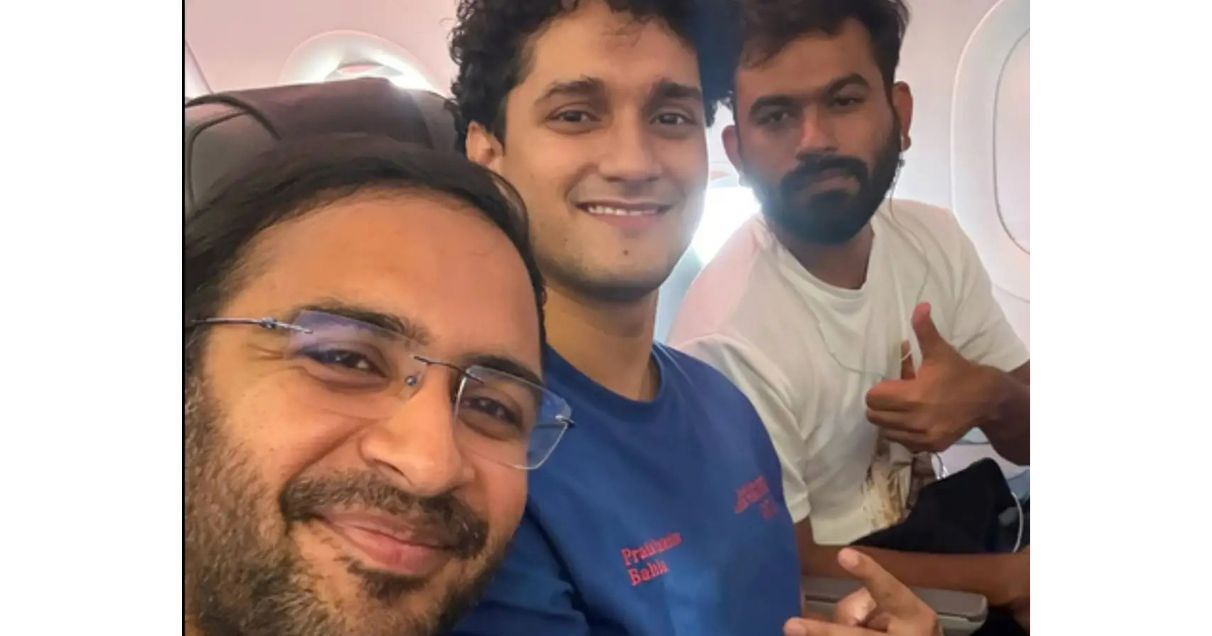
On Saturday morning, CJP founder Abhijeet Dipke and fellow leaders Saurav Das and Ashutosh Ranka were detained shortly after their flight from Mumbai arrived in Delhi, according to the report.
Authorities also imposed restrictions affecting mobile internet services and transport links, including metro, bus and railway services, as part of measures to control the movement of demonstrators into the capital.
Most of those detained were subsequently released. The report said CJP’s senior leadership and YouTube commentator Dhruv Rathee were among those who remained in police custody at the time.
The episode has drawn attention to the competing claims of public order, the right to peaceful protest and international scrutiny of how demonstrations are handled in India.