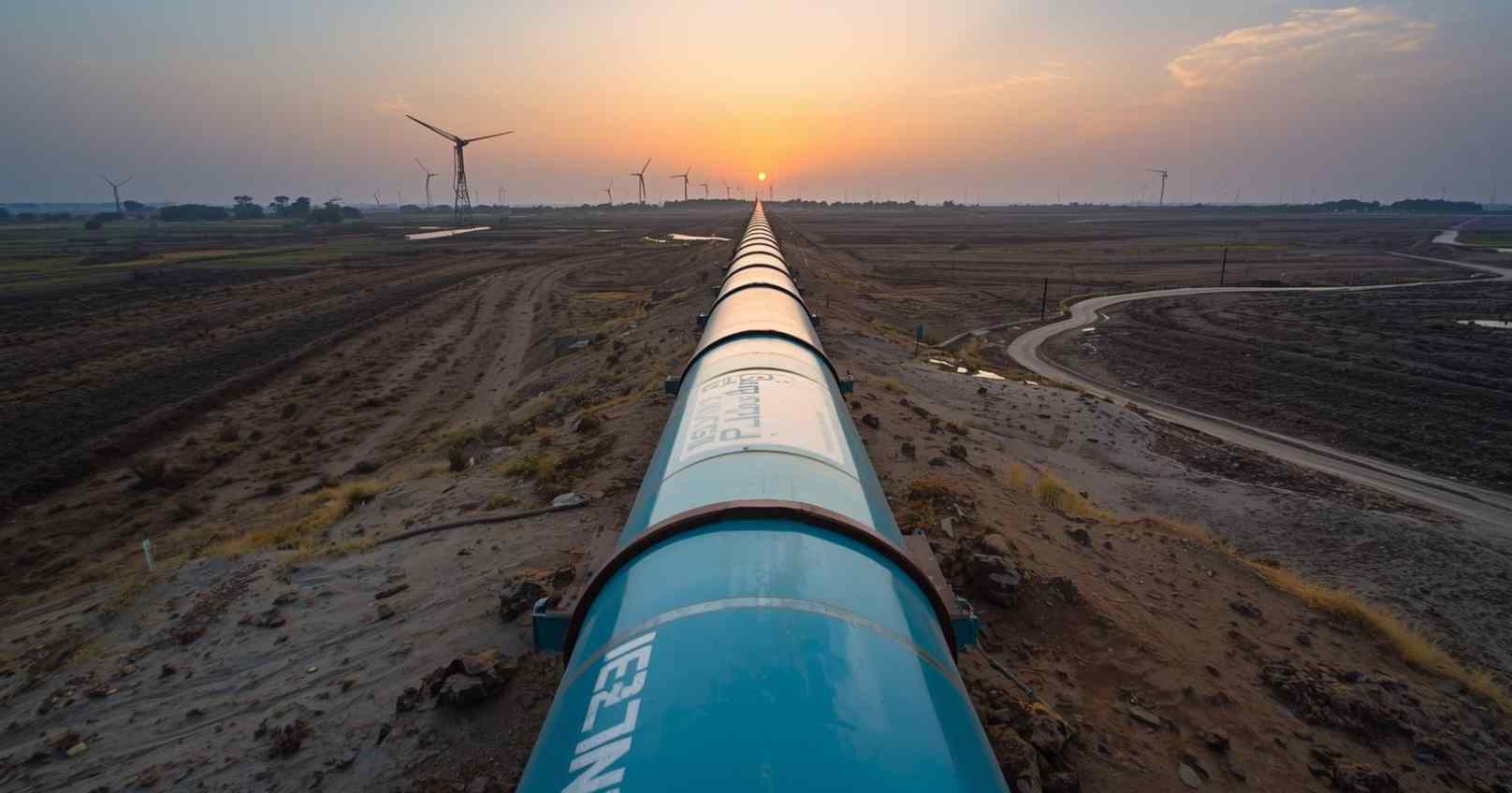
Amid escalating tensions in West Asia that have unsettled global energy markets, India has started transporting diesel to neighbouring Bangladesh through a cross-border pipeline connected to the Numaligarh Refinery in Assam.
Officials from the Bangladesh Petroleum Corporation (BPC) confirmed that approximately 5,000 tonnes of diesel are expected to reach Bangladesh as part of the first delivery. The supply is being transported through the Bangladesh-India Friendship Pipeline, which links the refinery in India to the fuel storage depot at Parbatipur in the Dinajpur District of northern Bangladesh.
This pipeline project was officially launched in March 2023 by Indian Prime Minister Narendra Modi and Bangladesh’s then prime minister Sheikh Hasina to strengthen energy cooperation between the two countries.
Bangladeshi authorities say the new supply could provide temporary relief for the nation’s transportation and power sectors, both of which have been affected by fuel shortages.
Supply Part of Annual Fuel Agreement
The diesel shipment forms part of a broader agreement under which India has committed to sending 180,000 tonnes of diesel to Bangladesh each year through the pipeline.
According to BPC chairman Muhammad Rezanur Rahman, the 5,000-tonne consignment currently being delivered represents the first instalment of this yearly arrangement. He also indicated that roughly 90,000 tonnes are expected to be delivered over the next six months to address the immediate fuel gap.
BPC officials added that the pipeline allows fuel to be transported faster and more efficiently than the earlier system that relied on railway tankers.
The organisation’s commerce and operations department official Muhammad Morshed Hossain Azad said the pumping process began on Monday afternoon and typically takes around 44 hours to transfer the diesel to Bangladesh.
Reasons Behind Bangladesh’s Fuel Shortage
Bangladesh’s current fuel crunch has been worsened by disruptions in global oil supplies linked to the conflict involving United States, Israel and Iran.
One of the key challenges is instability around the Strait of Hormuz, a major global shipping route for oil in the Persian Gulf. Any disruption along this corridor quickly affects energy-importing countries.
Bangladesh relies heavily on foreign fuel, importing nearly 95% of its energy needs, much of it from Middle Eastern suppliers. As a result, interruptions in global supply routes have quickly translated into shortages within the country.
The crisis has already led to long queues at petrol stations and rationing of fuel sales in some regions. In certain areas, authorities have limited petrol purchases to 10 litres for motorcycles and 40 litres for cars.
Strained Energy Ties in Recent Years
Energy cooperation between India and Bangladesh had faced challenges after the political upheaval in Bangladesh in August 2024, when the government of Sheikh Hasina collapsed following large-scale protests.
The interim administration led by Muhammad Yunus reviewed several agreements with India, arguing that some deals were unfavourable for Bangladesh.
One controversial agreement involved the import of 1,320 megawatts of electricity from a coal-based power plant operated by Adani Power in Jharkhand. In late 2024, power supply from the plant was reduced after Bangladesh accumulated unpaid dues of about $850 million.
Full electricity supply was restored in March 2025 after Dhaka began clearing its outstanding payments.
Other collaborative initiatives, including cross-border renewable energy projects and LNG plans, also slowed during that period of uncertainty.
Sign of Renewed Cooperation
Analysts say India’s continued fuel deliveries could indicate improving relations between the two neighbours. The bilateral relationship has reportedly stabilised after political changes in Bangladesh that eventually brought a government linked to Tarique Rahman and the Bangladesh Nationalist Party to power.
Given their geographic proximity and existing infrastructure links, India remains one of Bangladesh’s most accessible and dependable energy partners. The current diesel supply arrangement highlights efforts by both countries to rebuild cooperation after a period of tension.