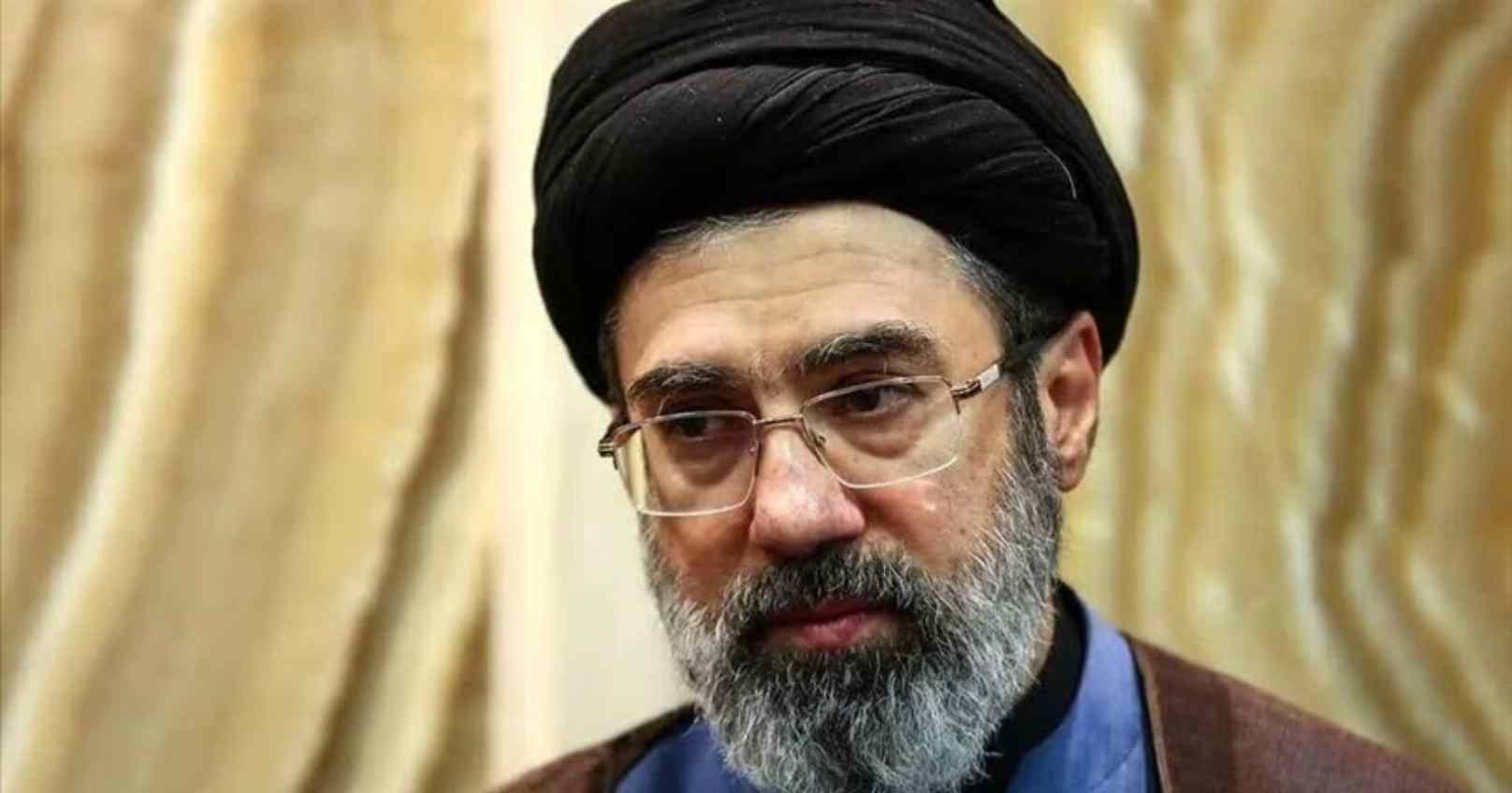
Iran has appointed Mojtaba Khamenei as the new Supreme Leader, succeeding his father Ali Khamenei, who was killed during the opening phase of the ongoing military confrontation involving Iran, the United States and Israel.
The decision was announced shortly after midnight in Tehran by the Assembly of Experts—an influential council of 88 clerics responsible for selecting the country’s top religious and political authority. In a statement, the body confirmed that Mojtaba had been chosen as the third Supreme Leader of the Islamic Republic.
As Supreme Leader, Mojtaba will hold ultimate authority over Iran’s political, military and religious institutions, making him the most powerful figure in the country.
Hardline Leadership Continues
Before the vote, Mojtaba Khamenei was widely considered one of the leading candidates for the position. A cleric with close connections to Iran’s security establishment and extensive economic networks linked to his father’s circle, he has long been viewed as an influential figure behind the scenes in Iranian politics.
His selection signals that conservative factions remain firmly in control in Tehran during a period of intense geopolitical confrontation.
International Reactions and Tensions
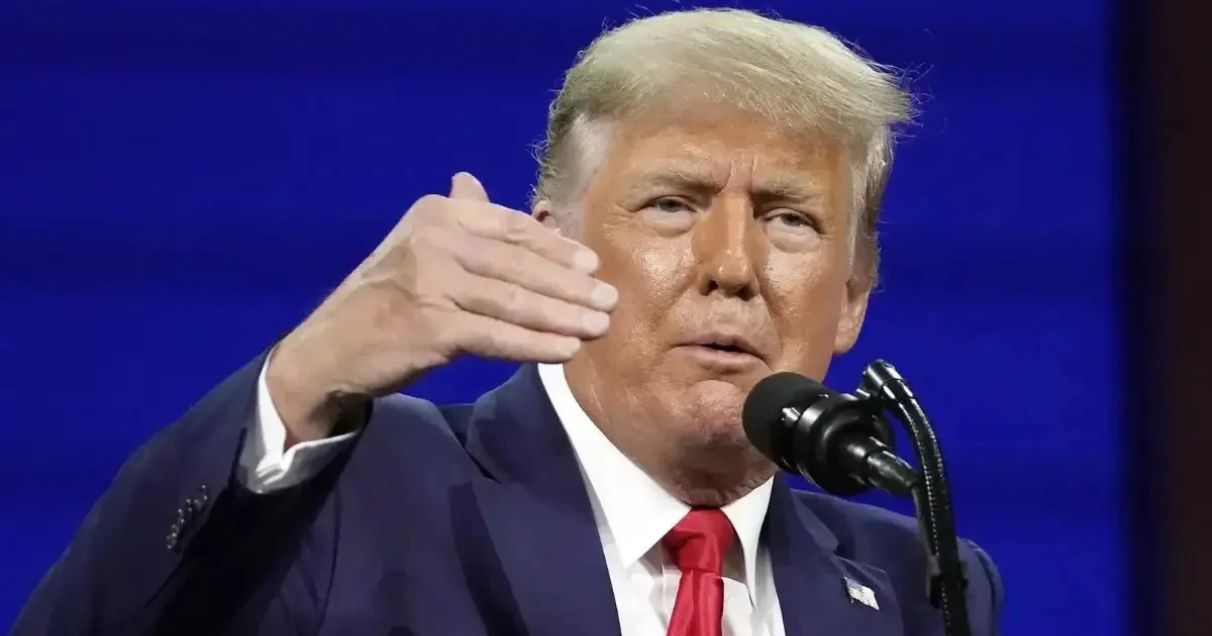
The appointment could further strain relations with Washington. Donald Trump previously suggested the United States should have a voice in the leadership transition in Iran, warning that any new leader lacking American approval would struggle to remain in power.
Even before the announcement, Israel had warned it might target whoever assumed the leadership role in Tehran as the conflict escalates.
Rising Casualties and Military Escalation
The war has already resulted in significant casualties. The United States confirmed that another American service member had died from injuries sustained during Iran’s retaliatory strikes launched earlier in the conflict. This brings the total number of US personnel killed to seven.
Iran’s representative at the United Nations said that Israeli and American strikes have so far killed more than 1,300 civilians and injured thousands across the country.
Meanwhile, Iranian officials have made it clear they are not pursuing an immediate ceasefire. Mohammad Bagher Qalibaf, the speaker of Iran’s parliament, said the country intends to retaliate against those responsible for the attacks.
Continued Strikes and Escalating Conflict
Israeli forces have continued targeting high-ranking Iranian figures. Abolqasem Babaian, recently appointed to head the military office linked to the Supreme Leader, was reportedly killed in an airstrike.
As the conflict entered its ninth day, residents in Tehran reported heavy smoke over parts of the city after strikes hit major oil storage sites, sending large flames and smoke into the sky overnight.
Iran’s foreign ministry spokesperson Esmaeil Baghaei described the attacks on fuel facilities as a dangerous escalation and accused the attackers of committing war crimes by releasing toxic substances into the atmosphere.
Israeli officials defended the strikes. Military spokesman Nadav Shoshani said the targeted facilities were linked to Iran’s military infrastructure and supported its missile capabilities, making them legitimate military objectives.
No Immediate End in Sight
Benjamin Netanyahu stated that Israel intends to continue its campaign and promised sustained pressure on Iran’s leadership. He suggested the operation includes a broader strategy aimed at destabilising the Iranian government.
Meanwhile, diplomatic activity is also underway. US envoy Steve Witkoff and Jared Kushner are expected to travel to Israel for talks with Israeli officials.
Speaking to reporters aboard Air Force One, Donald Trump indicated that negotiations are not currently being pursued to end the conflict, raising fears that the war could continue to disrupt global markets, push energy prices higher and affect international travel.