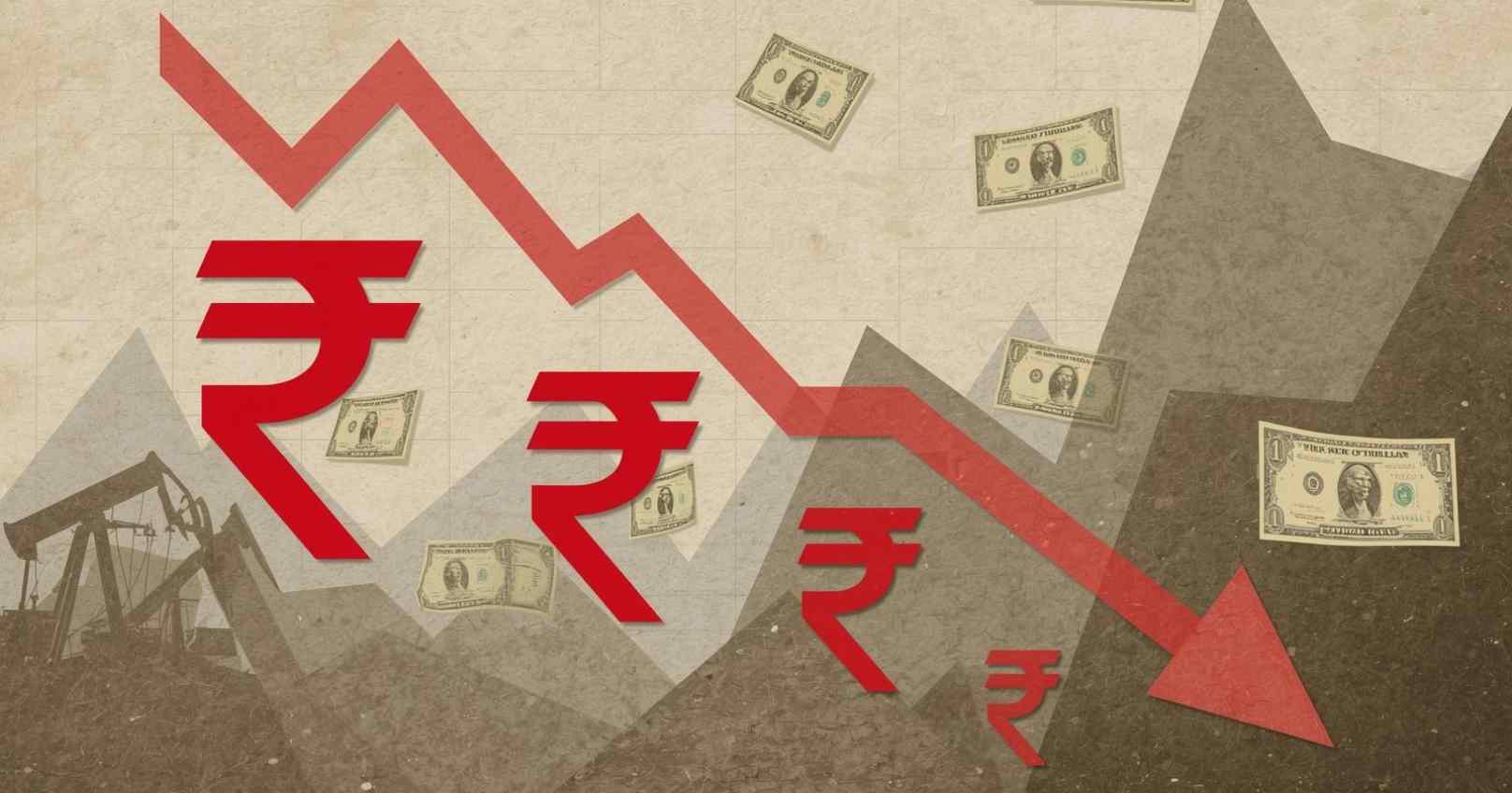
The Indian rupee weakened to its lowest level ever against the US dollar on Monday, slipping beyond the 92.30 mark as multiple global and domestic factors weighed heavily on the currency.
The decline began early in the trading session as investors grew cautious due to intensifying geopolitical tensions in the Middle East. At the same time, global crude oil prices jumped sharply, increasing concerns for import-dependent economies like India.
Another factor contributing to the rupee’s weakness is the strengthening of the US dollar. When the dollar gains globally, emerging market currencies often lose value. Continuous selling by foreign investors in Indian stock markets has also added downward pressure on the rupee.
Key Reasons Behind the Rupee’s Decline
Several developments are responsible for the recent drop in the Indian currency.
One of the biggest drivers is the rise in crude oil prices. India depends on imports for over 80% of its oil needs, so higher oil costs significantly increase the country’s import bill. This raises the demand for US dollars to pay for these imports, pushing the rupee lower.
Another important reason is the outflow of foreign funds from Indian markets. When overseas investors sell their holdings in Indian equities or bonds, they convert the proceeds into dollars before moving the money out, which weakens the rupee.
Additionally, uncertainty linked to the ongoing tensions in the Middle East has led investors worldwide to move their funds into safer assets such as the US dollar. This shift has strengthened the dollar while putting pressure on many emerging market currencies, including the rupee.
Impact of a Weak Rupee
A weaker rupee can make imported goods more expensive for India. Commodities like crude oil become costlier, which may eventually increase inflation and raise expenses for industries that rely on imported raw materials.
However, a depreciating currency can also offer advantages for certain sectors. Export-oriented industries, particularly information technology and pharmaceuticals, may benefit because they earn a large portion of their revenue in US dollars.
What Investors Should Monitor
In the coming days, financial markets will closely watch developments such as global oil prices, geopolitical events, and the movement of foreign investments in Indian markets.
If crude prices remain high and foreign investors continue pulling out funds, the rupee could stay under pressure. On the other hand, a reduction in geopolitical tensions or a decline in oil prices may help the currency regain some stability.