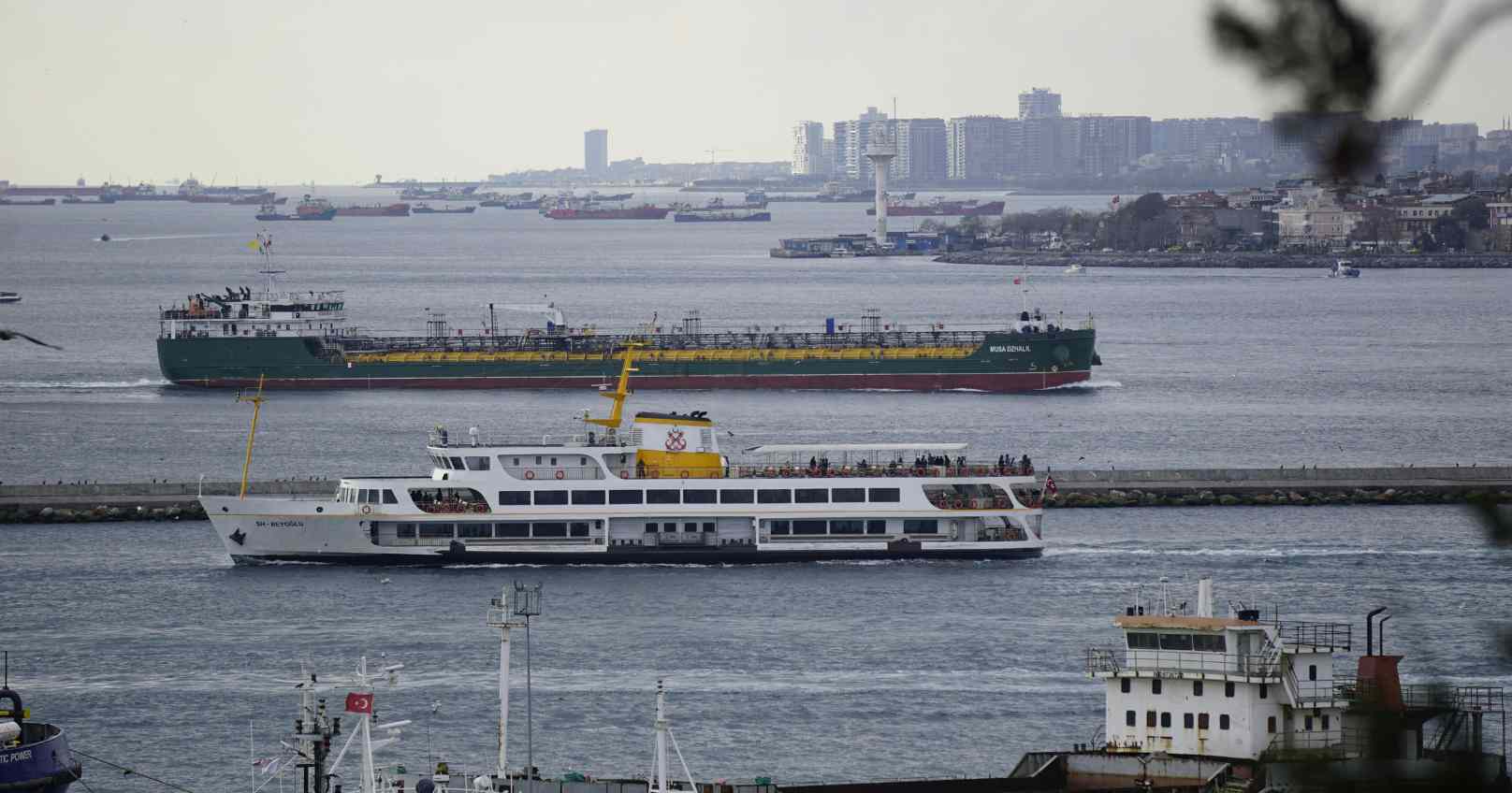
In a move expected to calm global energy markets, Iran on Friday resumed commercial navigation through the Strait of Hormuz after days of disruption linked to regional hostilities.
Iran’s Foreign Minister Abbas Araghchi said the waterway would remain accessible to all commercial vessels for the duration of the current ceasefire, adding that ships must follow routes previously outlined by Iran’s Ports and Maritime Organisation. The announcement followed a 10-day truce agreement between Israel and Lebanon.
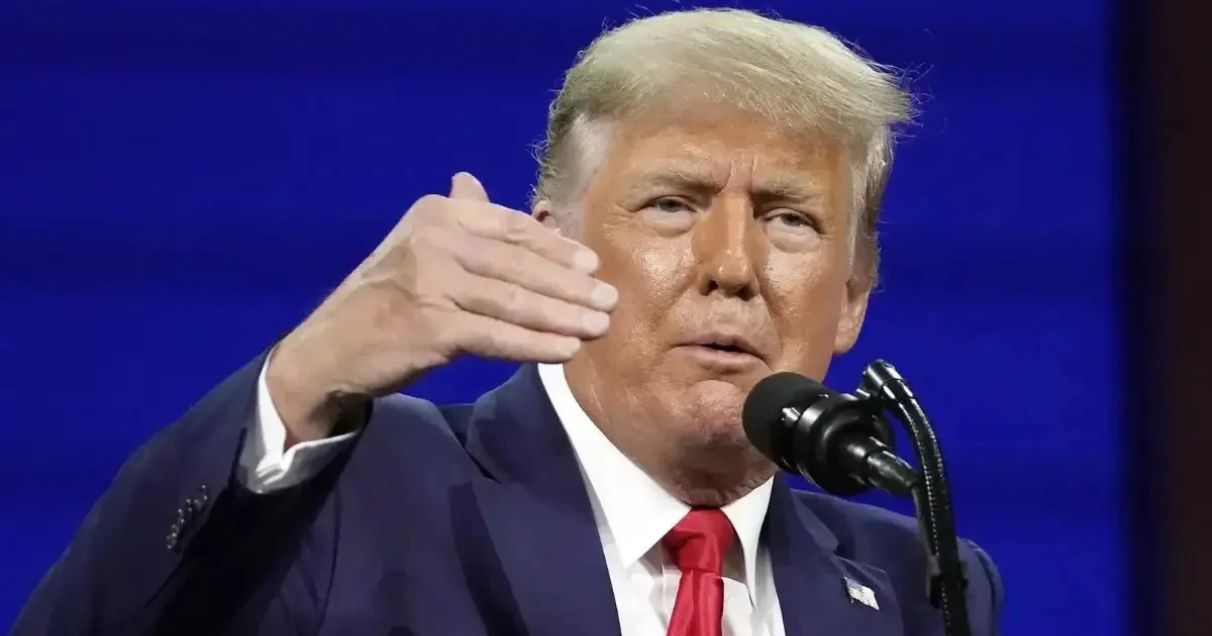
The reopening quickly drew a response from Donald Trump, who welcomed the development on Truth Social. Trump thanked Iran for restoring passage but clarified that the US naval blockade targeting Iranian ports would continue until broader negotiations with Tehran are fully concluded.
He stated that while maritime transit through Hormuz is now open for business, restrictions affecting vessels linked to Iranian ports will remain in place until what he described as ongoing transactions between the two countries are completed.
How the Crisis Unfolded
Tensions surrounding the Strait escalated earlier this year. On March 2, Tehran restricted vessels from what it termed “unfriendly nations” after coordinated US and Israeli strikes targeted Iranian military assets and properties connected to senior officials. The attacks reportedly resulted in the death of Iran’s former Supreme Leader, Ali Khamenei.
Given that nearly a fifth of the world’s oil supply passes through the narrow channel, the disruption triggered sharp spikes in global crude prices. Several countries faced fuel supply concerns, and India experienced temporary LPG delivery delays after multiple tankers were affected while navigating the route. The situation eased when shipments managed to pass safely through the corridor.
A potential breakthrough emerged on April 8 when Washington and Tehran agreed to a short-term truce. One of the conditions discussed included restoring shipping access. However, renewed Israeli operations against Hezbollah in Lebanon — which reportedly caused heavy casualties in a single day — led Iran to fully suspend transit through the strait once again.
The crisis intensified after the US announced a naval cordon around Iranian maritime access points via Hormuz, heightening fears of prolonged disruption to global trade.
Friday’s reopening, following the ceasefire between Israel and Lebanon, marks the first significant de-escalation in weeks. While commercial vessels can now pass through the strategic waterway, the continued US naval restrictions signal that broader geopolitical tensions have yet to be fully resolved.