Former Chief Justice of India Justice Bhushan R. Gavai has stressed the need for Indian courts to adopt a disciplined and restrained approach while dealing with the enforcement of foreign arbitral awards, saying judicial non-interference is not a surrender of judicial authority but one of its most refined applications.
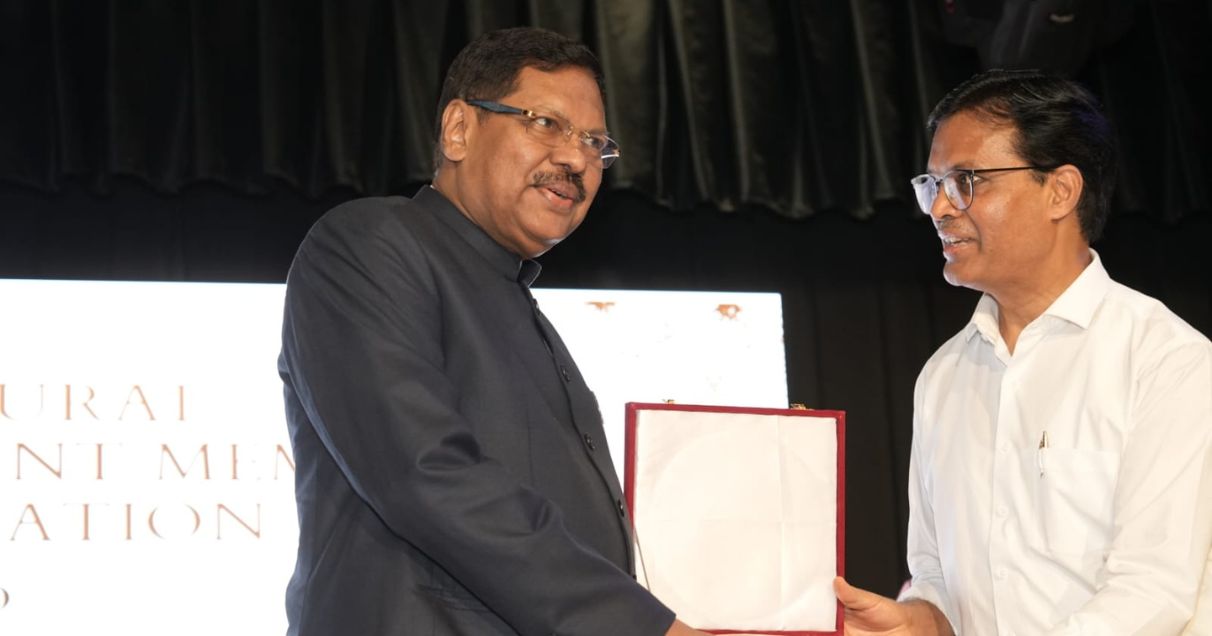
Justice Gavai delivered the presidential address at the inaugural Yashraj Samant Memorial Annual Arbitration Lecture 2026 at the Rajasthan International Centre in Jaipur.
Speaking on the theme, “The Sovereign Duty of Non-Interference: Judicial Restraint in Enforcing Foreign Arbitral Awards and India's Unique Place,” Justice Gavai said courts must confine their scrutiny to the limited grounds available under Section 48 of the Arbitration and Conciliation Act, 1996.
He emphasised that courts should not reopen the merits of disputes while considering whether a foreign arbitral award should be enforced. Excessive judicial intervention, he said, could undermine the very purpose of arbitration by effectively turning an alternative dispute resolution mechanism into another round of litigation.
According to Justice Gavai, judicial restraint is essential to protecting party autonomy, ensuring certainty in commercial transactions and preserving the finality of arbitral awards. It also reflects India's obligations under the 1958 New York Convention, which provides the international framework for the recognition and enforcement of foreign arbitral awards.
India's Arbitration Law Moves Towards Pro-Enforcement Regime
Tracing the evolution of India's arbitration framework, Justice Gavai highlighted the country's transition from a relatively interventionist judicial approach under the Arbitration Act, 1940, towards a stronger pro-enforcement regime under the present legal framework.
He referred to legislative reforms introduced through amendments to the Arbitration and Conciliation Act, particularly those in 2015 and 2019, which sought to reduce unnecessary judicial intervention and strengthen the efficiency of arbitration proceedings.
Justice Gavai also referred to several landmark decisions that have progressively narrowed the scope of judicial interference, particularly in relation to the public policy exception.
Judgments including Shri Lal Mahal, Vijay Karia, Gemini Bay and Centrotrade, along with recent Constitution Bench rulings, were cited as important milestones in the development of India's arbitration jurisprudence.
He said the growing emphasis on predictability and finality in dispute resolution was not merely a legal concern but also an economic necessity.
The objective, he emphasised, is to ensure that parties who choose arbitration are able to rely on the outcome without facing prolonged and substantive judicial scrutiny at the enforcement stage.
Arbitration Critical to India's Economic Ambitions
Justice Gavai also underlined the wider economic significance of an efficient arbitration ecosystem.
Referring to Rajasthan's expanding presence in sectors such as solar energy, infrastructure and technology, he said investors and businesses require confidence that contractual disputes will be resolved efficiently, fairly and predictably.
A reliable arbitration framework, he said, can strengthen investor confidence, facilitate foreign investment and contribute to India's ambition of emerging as a credible international arbitration destination.
Predictability in dispute resolution, he suggested, is particularly important in attracting businesses and investors operating across jurisdictions.
Justice Gavai Calls for Structured Framework on AI in Arbitration
Justice Gavai also addressed the increasing role of artificial intelligence in arbitration, calling for the development of structured institutional protocols governing its use.
He said it was important to distinguish between the administrative, analytical and decisional uses of AI.
While artificial intelligence could assist arbitrators in areas such as research, analysis and administrative functions, Justice Gavai stressed that responsibility and accountability for the final decision and arbitral award must remain with human arbitrators.
The increasing use of technology in dispute resolution, he suggested, therefore requires clear institutional safeguards to ensure transparency, accountability and confidence in the arbitral process.
Justice Gavai Recalls Dr B.R. Ambedkar's Influence
The event also coincided with Teacher's Day, prompting Justice Gavai to reflect on the influence of Dr B.R. Ambedkar on his personal and professional journey.
Justice Gavai described Dr Ambedkar as his greatest inspiration and guiding force in his pursuit of social and economic justice throughout his legal and judicial career.
Memorial Lecture Launched in Memory of Yashraj Samant
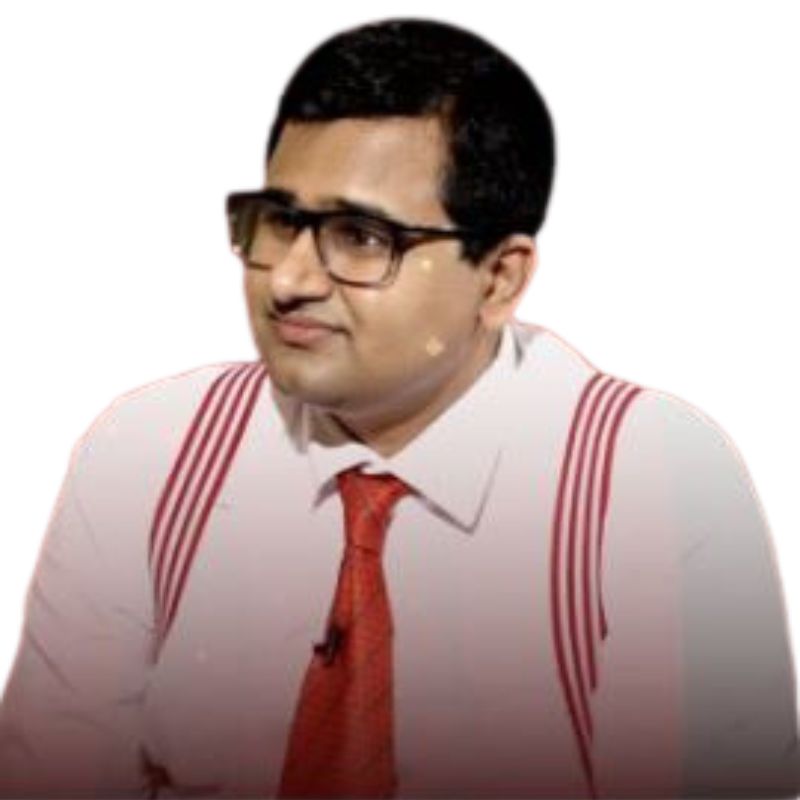
The Yashraj Samant Memorial Annual Arbitration Lecture was instituted in memory of Yashraj Samant, a young legal researcher and counsel who had also served as a law research clerk to Justice Gavai.
The inaugural lecture was held around Samant's first death anniversary and marked the formal launch of the annual memorial lecture series.
The programme also featured the unveiling of Samant's portrait and the release of a book containing testimonials from members of the legal fraternity.
Judges of the High Court, senior advocates, legal scholars and members of the Bar attended the event.
Justice Gavai Comments on Rajasthan High Court Controversy
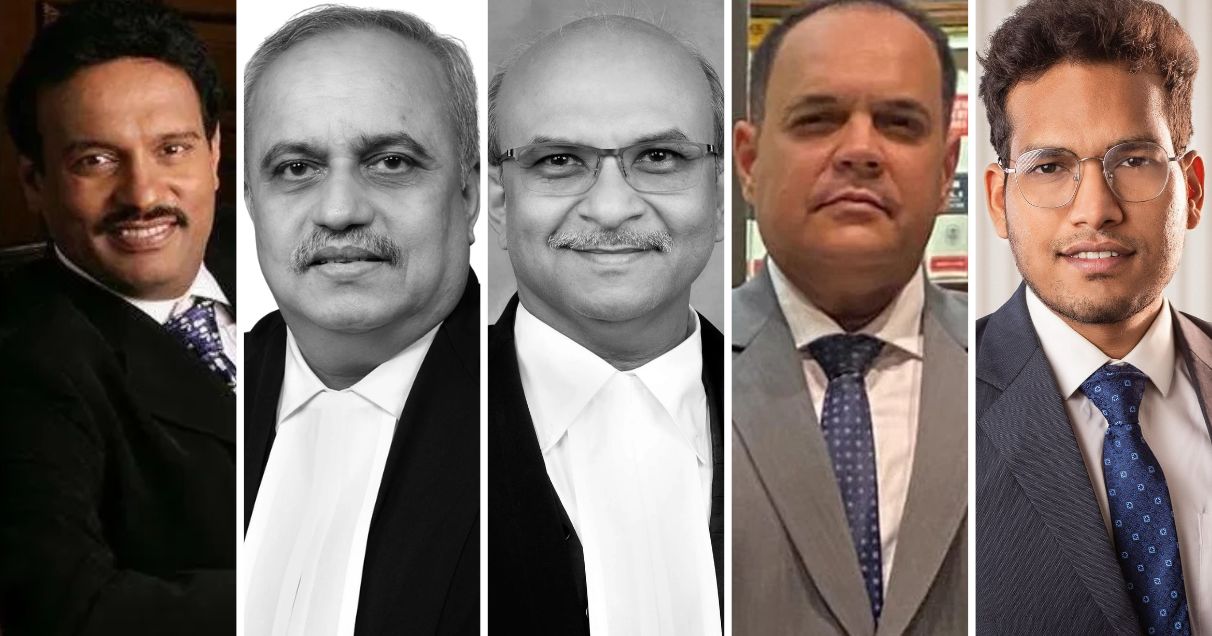
Speaking separately to the media after the lecture, Justice Gavai also commented on the recent controversy surrounding a communication written by Supreme Court judge Justice Sandeep Mehta to the Chief Justice of India concerning Acting Chief Justice Sanjeev Prakash Sharma of the Rajasthan High Court.
Justice Gavai stressed that judicial discipline is fundamental to maintaining public confidence in the judiciary and preserving the integrity of the institution.
He said he was initially surprised when he came across reports about the communication in the media. However, he said his perspective changed after he spoke directly with Justice Mehta, with whom he had previously served on the Supreme Court.
According to Justice Gavai, Justice Mehta expressed deep concern about developments in his parent High Court and felt unable to remain silent given his close association with the institution.
Justice Gavai also referred to administrative decisions taken during his own tenure, including matters relating to judicial transfers. He said such decisions were not taken mechanically but after considering the facts and circumstances of individual cases, including health conditions and the views and recommendations of senior colleagues.
He stressed the importance of institutional integrity, judicial discipline and the prompt verification of facts in matters concerning the judiciary.
Justice Gavai's remarks at the Jaipur lecture thus placed renewed focus on two closely connected aspects of India's legal system — the need for judicial restraint in arbitration and the importance of institutional discipline within the judiciary.
His address underscored the broader principle that judicial authority is strengthened, rather than diminished, when courts exercise restraint within the boundaries prescribed by law. In the context of international arbitration, such restraint is central to preserving the finality of awards, respecting party autonomy and reinforcing India's credibility as a reliable jurisdiction for cross-border commercial disputes.