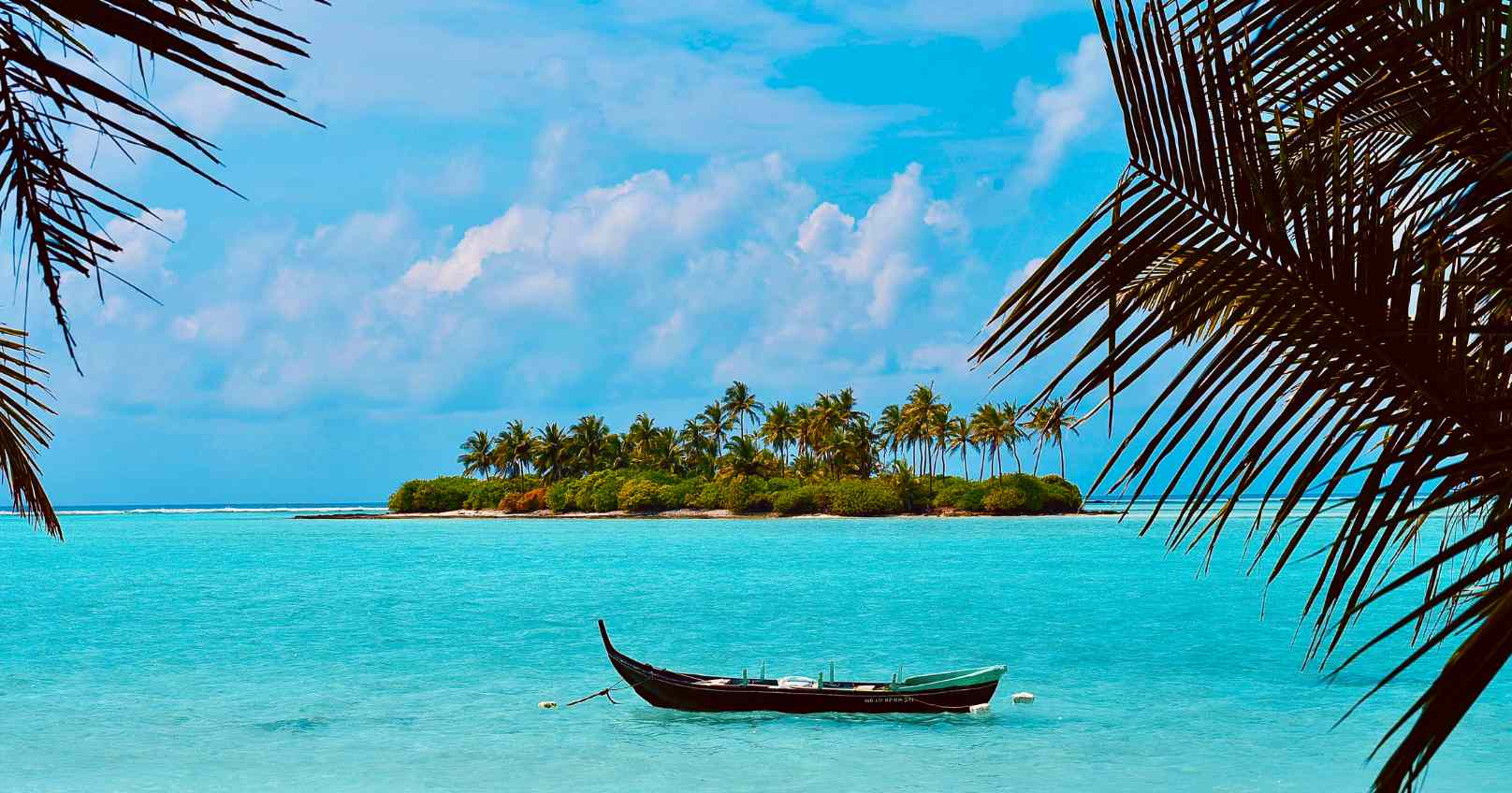
In a significant policy shift, the Union government has withdrawn the long-standing prohibition law in Lakshadweep, paving the way for regulated alcohol sales through licensed channels. The move marks the end of a restriction that had largely remained in place since 1979, making it one of the most notable administrative changes in the island territory's recent history.
The decision was formalised through a Gazette notification issued on June 5, repealing the Lakshadweep Prohibition Regulation, 1979. However, the new framework will become operational only after a separate notification is issued by the Administrator specifying the implementation date.
New Excise Policy Replaces Prohibition
The repealed law has been replaced by the Lakshadweep Excise Regulation, 2026, which establishes a licensing-based system governing the production, storage, transportation, import, export, purchase, sale and consumption of alcoholic beverages.
Under the new rules, government-owned agencies and authorised entities will be eligible to obtain licences for importing and selling liquor within the Union Territory.
Despite the policy change, authorities have imposed substantial taxes on alcoholic products. Indian-made foreign liquor and imported spirits will attract excise duties of 400%, beer will be taxed at 200%, while wine will face an 80% duty.
Officials have clarified that the new regulation does not create unrestricted access to alcohol. The administration will retain extensive powers to regulate consumption, limit purchases, restrict possession and, if required, reintroduce prohibition in specific areas or across the entire territory. Alcohol sales to individuals below the age of 21 will remain prohibited.
A Territory With Unique Demographics
Lakshadweep comprises 36 islands, with only 10 permanently inhabited. The population is predominantly Muslim, accounting for around 97% of residents. A large majority of the population also belongs to Scheduled Tribe communities.
The original prohibition policy introduced in 1979 was largely influenced by local social and cultural considerations. Since Islam discourages alcohol consumption, successive administrations maintained restrictions for decades, arguing that the policy reflected the preferences of the island population.
As a result, Lakshadweep joined a small group of Indian regions where liquor sales faced significant restrictions.
Ban Was Never Completely Absolute
Although prohibition existed on paper, limited exceptions were permitted over the years. Certain tourist resorts and government-operated establishments were allowed to serve alcohol under specific conditions, particularly on islands catering to visitors.
These exemptions enabled the administration to accommodate tourism-related activities while preserving the broader prohibition structure for local residents.
Tourism Push Behind the Policy Shift
The Centre's growing focus on tourism development is widely viewed as the primary factor behind the change.
Officials have argued that restrictions on alcohol availability placed Lakshadweep at a disadvantage compared to competing island destinations, particularly in the Indian Ocean region, where tourists often expect hospitality services that include regulated liquor access.
Interest in Lakshadweep as a tourism destination increased significantly after Prime Minister Narendra Modi visited the islands in early 2024 and highlighted their natural beauty through widely shared photographs and videos. The visit drew national and international attention to the archipelago's tourism potential.
Tourist arrivals subsequently recorded a sharp increase, encouraging authorities to accelerate efforts aimed at expanding hospitality infrastructure and visitor facilities.
Policy Discussions Have Been Ongoing for Years
The debate over relaxing prohibition did not begin recently. Discussions gathered momentum after the appointment of Administrator Praful Khoda Patel in 2020.
Proposals to expand alcohol availability at tourism facilities sparked resistance from local political groups, community organisations and residents who raised concerns about possible social consequences, public health issues and law-and-order challenges.
Despite opposition, the administration continued examining alternative regulatory models. Draft excise proposals were introduced in subsequent years, laying the groundwork for the framework that has now replaced the prohibition regime.
Balancing Tourism and Regulation
Supporters of the move argue that a controlled licensing system will help strengthen Lakshadweep's tourism sector while maintaining regulatory oversight. Critics, however, continue to express concerns about the social impact of wider alcohol availability in a territory with a unique cultural and demographic identity.
With the repeal of the 1979 law, policymakers appear to have opted for a middle path—allowing regulated access to alcohol while retaining the authority to impose restrictions whenever necessary.
The coming months are expected to determine how the new excise framework is implemented and how it shapes the future of tourism, business and local life across Lakshadweep.