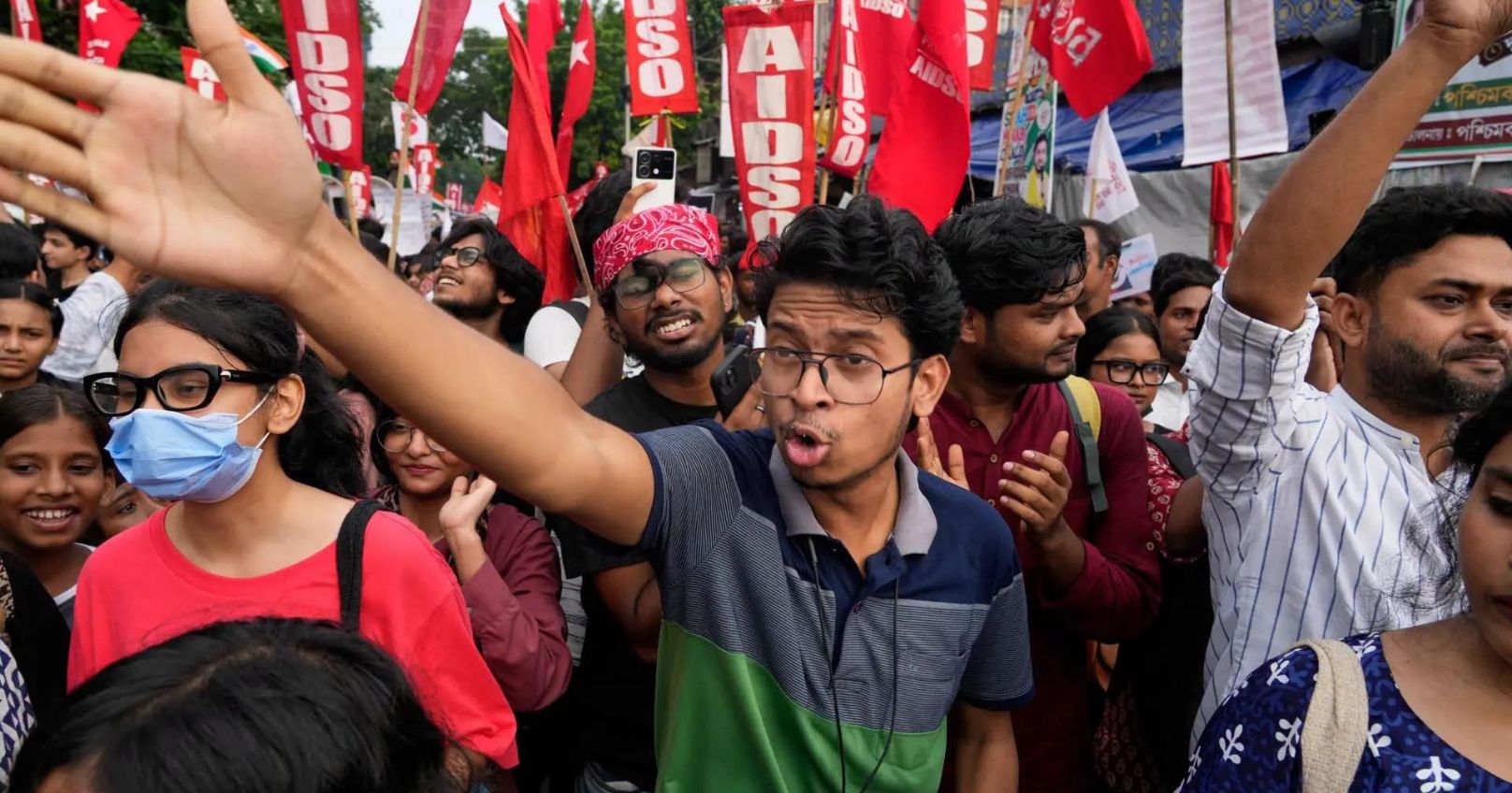
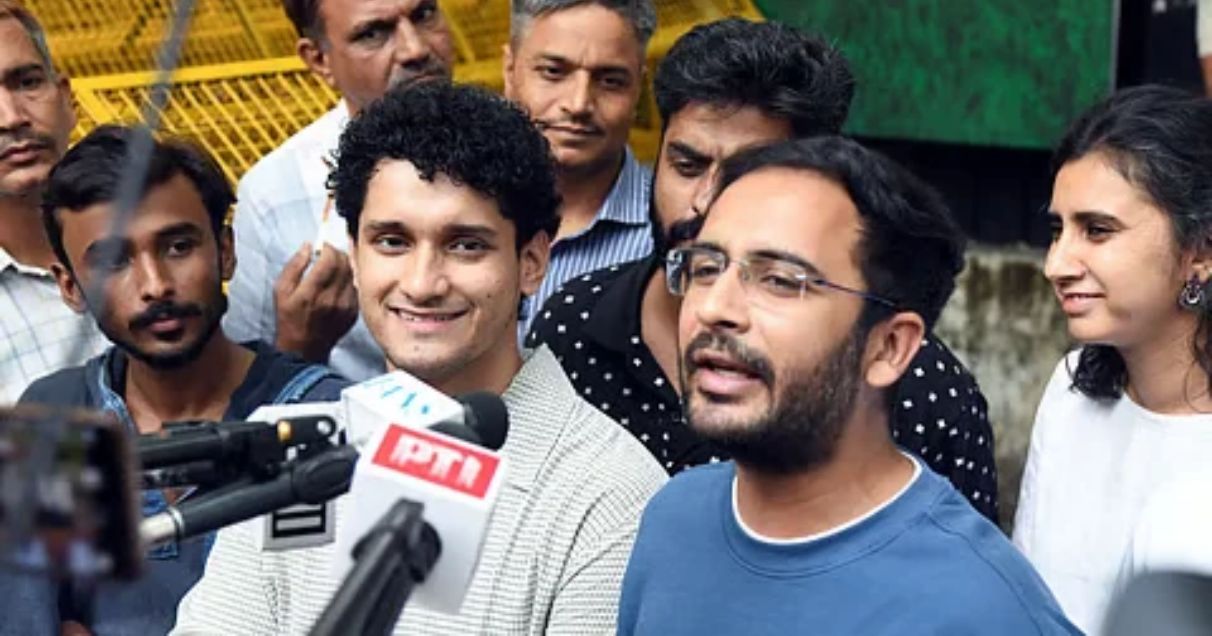
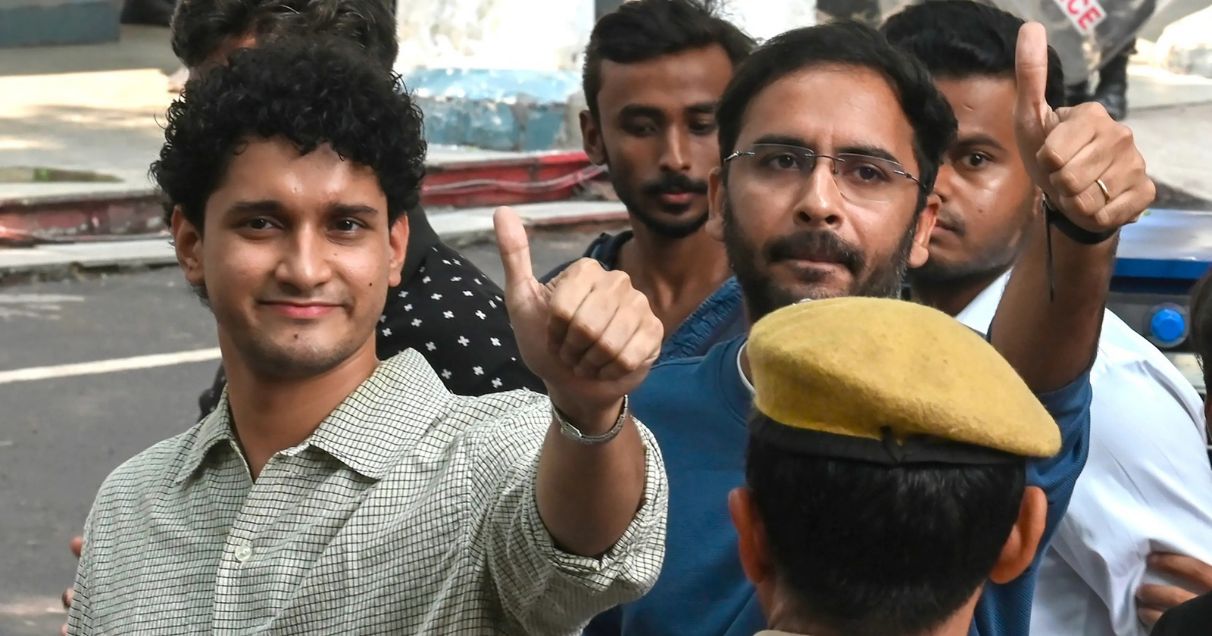
The Delhi government on Wednesday said it will not pursue legal action against people arrested during the recent protests over the NEET question paper leak, fulfilling an assurance earlier given by the Centre to the Cockroach Janta Party (CJP), which had led the nationwide agitation.
The relief, however, will be available only to protesters who do not have any previous criminal record. Those with criminal antecedents will remain outside the scope of the decision, in line with the Supreme Court's recent interim directions.
In an official notice issued in the evening, the government said Delhi Police had registered 13 criminal cases related to the demonstrations up to July 29.
Authorities will now review all arrests and detentions made in connection with the protests. The government said no further legal proceedings will be initiated against eligible protesters, and steps will be taken to close the cases and facilitate their release.
Delhi Home Minister Ashish Sood said the government had honoured its commitment to students by ensuring that peaceful protesters would not face continued legal action.
At the same time, he maintained that individuals with criminal backgrounds who allegedly used the demonstrations to engage in violence would continue to face action under the law.
Protests Turned Violent During 'Chalo Sansad' March
The arrests followed clashes between protesters and police during the CJP's 'Chalo Sansad' march from Jantar Mantar on July 20.
After the confrontation, police relied on CCTV footage and other evidence to identify participants and register criminal cases against those allegedly involved in the violence.
The police response drew widespread criticism after allegations emerged that excessive force, including the use of pellet guns, had been deployed against demonstrators.
As public pressure mounted, the Centre entered into negotiations with CJP representatives. Among the movement's principal demands were the resignation of then Union Education Minister Dharmendra Pradhan and the withdrawal of criminal cases against protesters.
Although the CJP suspended its agitation following Pradhan's resignation, it later warned of fresh protests, alleging that the government had not acted on its promise to withdraw police cases.
Supreme Court Directions and Anti-Paper Leak Law
The Delhi government's decision comes a day after the Supreme Court directed authorities across the country not to take coercive action against student protesters who have no criminal history and ordered the release of eligible detainees.
Separately, the Lok Sabha has passed amendments to the anti-paper leak law that provide for stricter penalties against examination-related malpractice.
Under the amended legislation, those found guilty of organised paper leaks or related offences could face imprisonment of up to 10 years and fines of as much as ₹10 crore.
The latest move by the Delhi government is expected to ease legal uncertainty for many students who participated in the protests, while investigations into individuals accused of violence or with prior criminal records are set to continue.