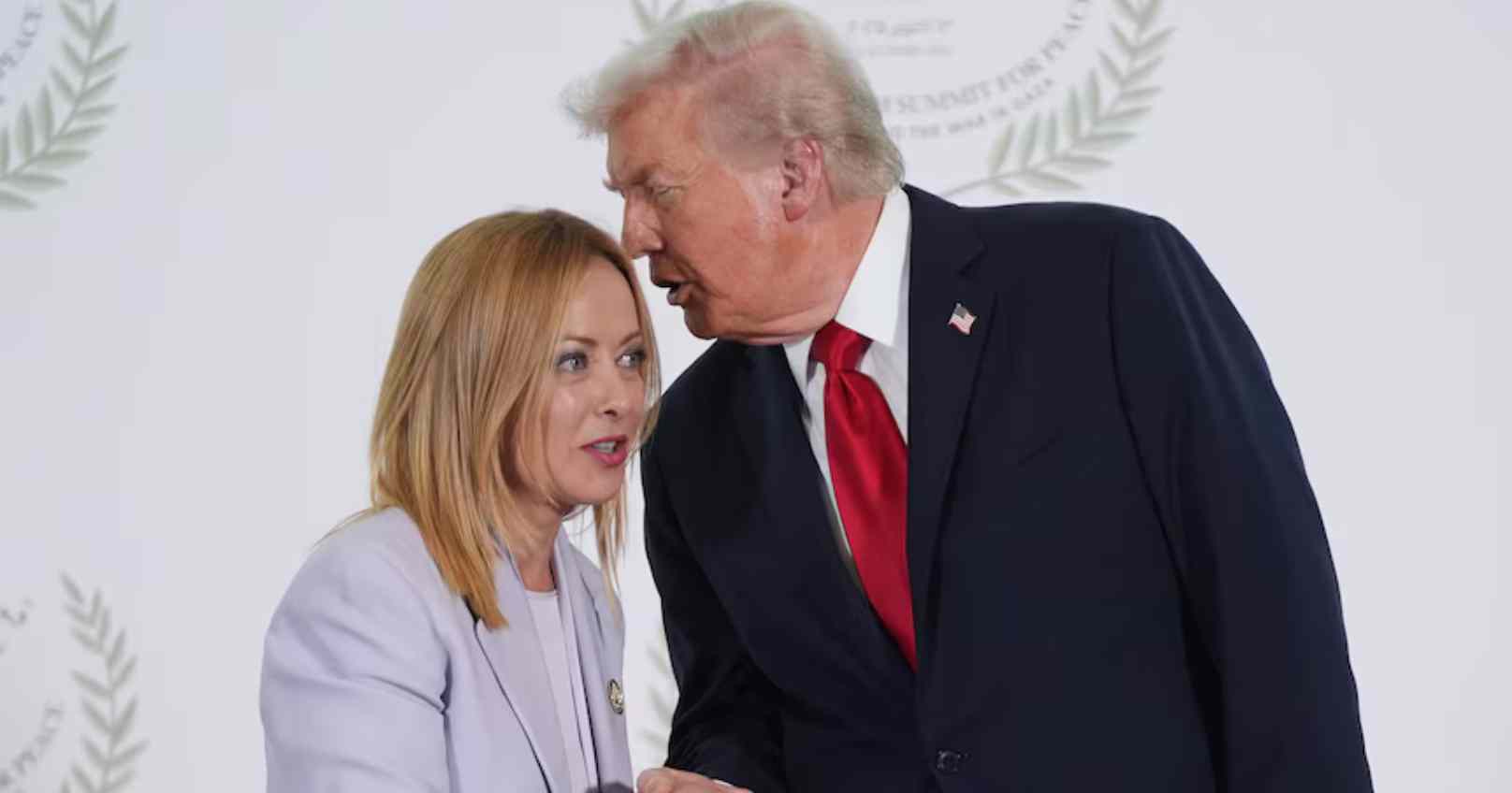
Fresh friction has surfaced between the United States and Italy after US President Donald Trump made remarks suggesting that Italian Prime Minister Giorgia Meloni had repeatedly sought a photograph with him during the recent G7 Summit.
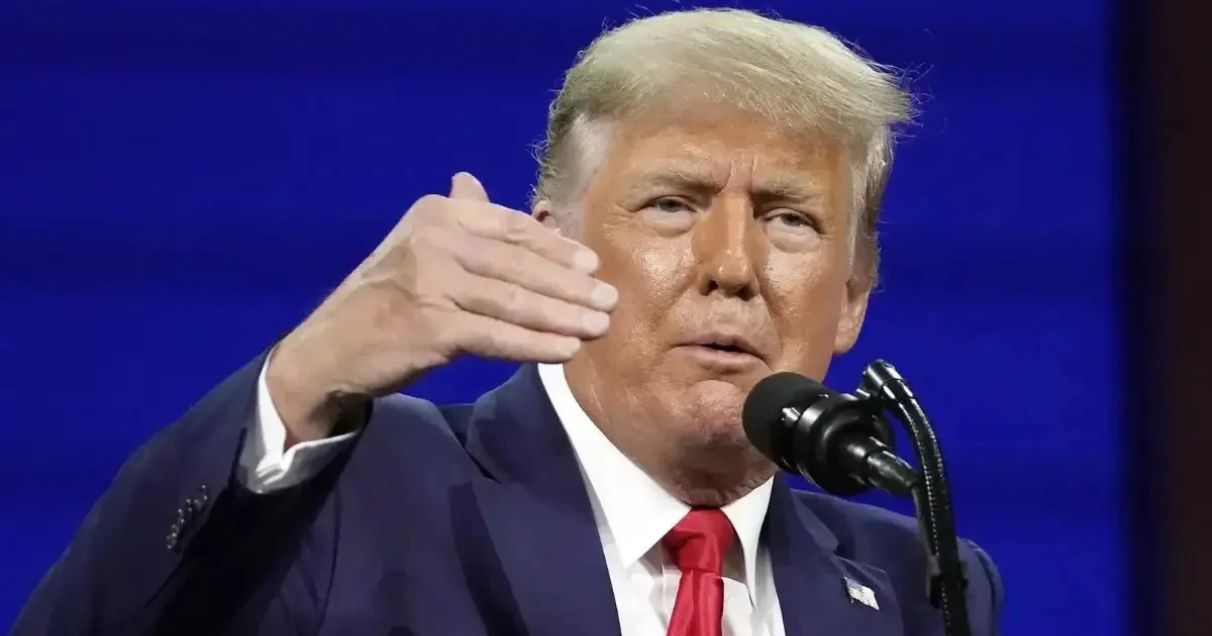
During an interview with an Italian television network, Trump claimed that he was under no obligation to meet Meloni and suggested she was eager to be seen with him. He further implied that he agreed to the photo opportunity out of sympathy rather than necessity.
Meloni swiftly dismissed the remarks, describing them as entirely untrue. Responding through social media, the Italian Prime Minister said she was surprised by the comments and criticised what she viewed as a pattern of disparaging remarks directed at allied nations.
The Italian leader stressed that neither she nor her country would ever seek favour or validation from anyone. She also questioned why Trump appeared more confrontational toward traditional partners than toward governments often considered adversaries of the West.
The controversy quickly widened beyond the two leaders. Italy’s Foreign Minister, Antonio Tajani, announced that he would no longer proceed with a planned trip to the United States, arguing that Trump’s comments were offensive not only to Meloni but also to Italy as a whole.
Other senior figures within the Italian government also voiced concern. Officials warned that such public statements risk damaging long-standing transatlantic relations and weakening cooperation between Europe and the United States.
Among the critics was Defence Minister Guido Crosetto, who rejected the idea that Meloni would ever plead for a photograph or personal favour. He argued that unnecessary public insults served no constructive purpose and could strain important diplomatic partnerships.
The latest dispute adds to a series of disagreements that have emerged between Washington and Rome in recent months. While both governments initially appeared committed to strengthening ties, differences over international issues and public exchanges between leaders have increasingly complicated the relationship.
Political observers note that the episode has become a significant diplomatic flashpoint, drawing attention across Europe and raising questions about the future tone of US-Italy relations.