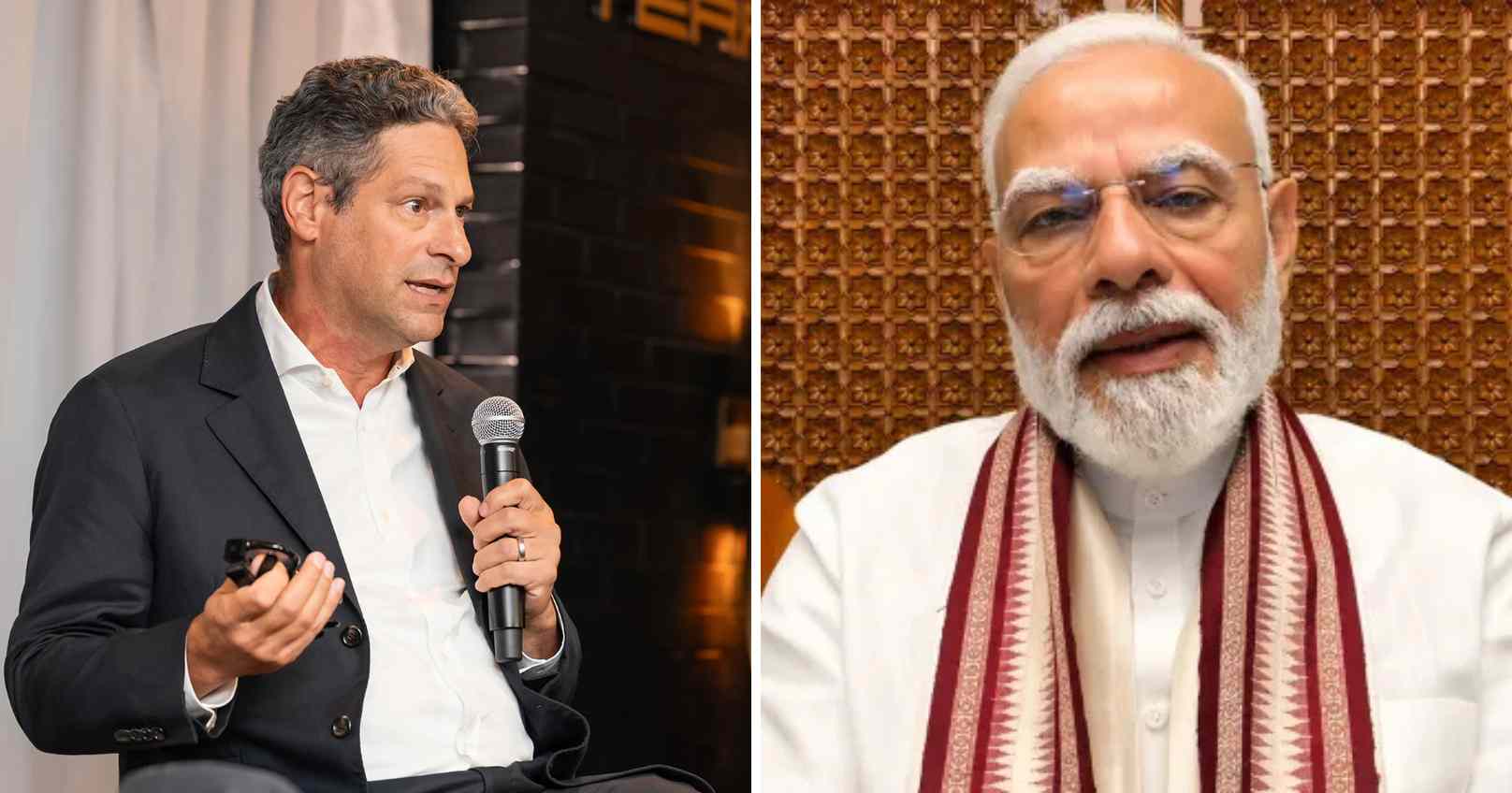
Meta has acknowledged that the temporary restriction of Prime Minister Narendra Modi's Facebook video was a mistake, with the company's Chief Global Affairs Officer, Joel Kaplan, issuing an apology on behalf of the social media giant.
Kaplan said he had conveyed Meta's apology to the concerned minister, describing the restriction on the Prime Minister's post as an error.
The development comes amid mounting pressure from the Parliamentary Standing Committee on Information Technology, which has called upon Meta CEO Mark Zuckerberg to apologise over the incident. The panel has reportedly given a three-day deadline, warning that failure to respond could lead to recommendations affecting the company's intermediary protections under Indian law.
In a communication sent to the Ministry of Electronics and Information Technology (MeitY), the committee described the temporary removal of the Prime Minister's video—addressed to students and young people on examination-related issues and paper leaks—as a matter of serious concern.
The committee also urged the government to consider action against Google India following allegations that investors collectively lost more than ₹48 lakh through fraudulent investment applications available on the platform.
Separately, government sources indicated that Meta apologised during high-level discussions with Indian officials over issues relating to Child Sexual Abuse Material (CSAM), deepfake content and shortcomings in content moderation across its platforms.
According to the sources, government representatives emphasised that technology platforms must ensure child safety and cannot rely on legal protections while harmful content continues to circulate. The discussions reportedly focused on platform accountability, regulatory compliance and content moderation, and did not include the temporary restriction of the Prime Minister's Facebook post.
Sources further stated that Meta acknowledged shortcomings in its moderation practices and informed officials that it spends substantial resources promoting certain categories of content.
The meetings also saw government officials question whether Meta should continue to enjoy "safe harbour" protection under Section 79 of the Information Technology Act. Officials reportedly argued that because Meta's algorithms actively decide which content is recommended to users, the company performs a role beyond that of a neutral intermediary.
Safe harbour protection generally shields online platforms from liability for third-party content, provided they comply with legal directions to remove unlawful material. However, government officials suggested that algorithmic amplification could affect Meta's eligibility for such protection.
Meta executives are expected to continue discussions with government officials in a subsequent meeting as regulatory scrutiny over platform accountability intensifies.