India and Bangladesh reaffirmed their commitment to cooperation and mutual goodwill through an exchange of Eid-ul-Adha greetings, even as tensions simmer between the two nations.
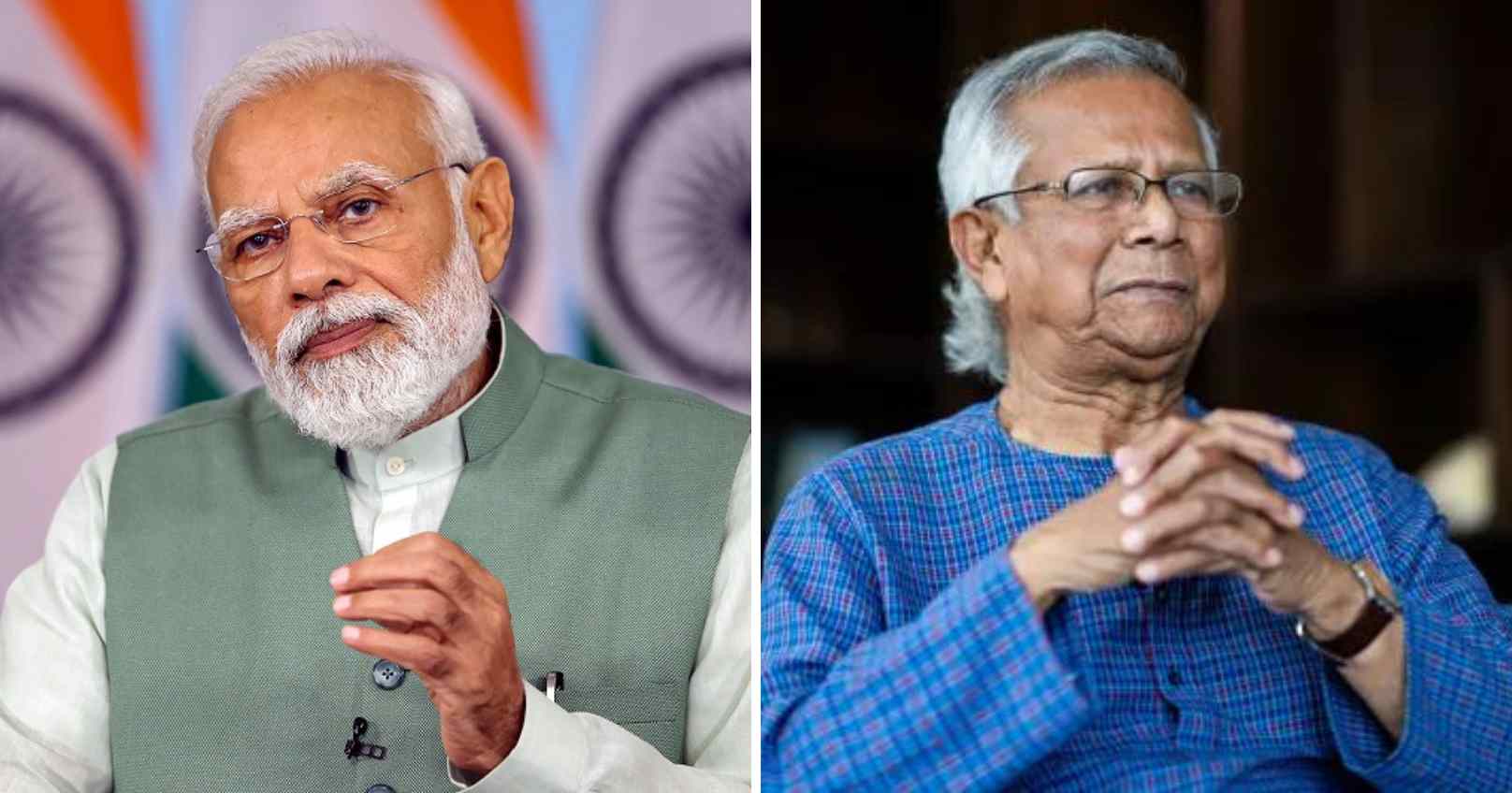
In a letter to Indian Prime Minister Narendra Modi, Bangladesh's interim Chief Adviser Muhammad Yunus emphasized the importance of continued collaboration rooted in mutual respect and understanding. His note, dated June 6, came in response to Modi’s earlier message extending Eid-ul-Adha wishes to both the people of Bangladesh and the transitional leadership.
The interim Bangladeshi government shared the contents of both letters via social media on Sunday, offering a glimpse into diplomatic communication at a delicate time.
Yunus acknowledged Modi’s message as a reflection of shared values between the neighbouring nations and conveyed his own wishes for peace and prosperity to the people of India.
"I trust that the principles of mutual understanding and respect will continue to guide our joint efforts for the wellbeing of our citizens," Yunus wrote. He described Eid-ul-Adha as a moment for reflection, community bonding, and generosity — values that transcend borders and unite people worldwide.
Prime Minister Modi’s message, dated June 4, recognized Eid-ul-Adha as a key element of India’s cultural and religious diversity. He described it as a festival that upholds enduring ideals of sacrifice, empathy, and fraternity, essential in fostering harmony in a pluralistic world.
Tensions Underneath the Diplomacy
The cordial exchange comes at a time of political friction between the two countries. The ousting of former Bangladesh Prime Minister Sheikh Hasina in August 2024 and her subsequent refuge in India has drawn sharp responses from Dhaka. The banning of her political party, the Awami League, in May 2025 only deepened the rift, with Bangladesh accusing India of meddling in its domestic affairs.
Alongside political strife, economic concerns are fueling discord. Bangladesh is currently facing a trade imbalance with India, estimated at around $10 billion, adding pressure to the already strained relationship.
Despite these issues, the recent communication between the leaders may be seen as an attempt to stabilize ties through diplomatic goodwill and cultural outreach. The Eid greetings serve as a symbolic gesture, hinting at a willingness to move forward amidst unresolved tensions.