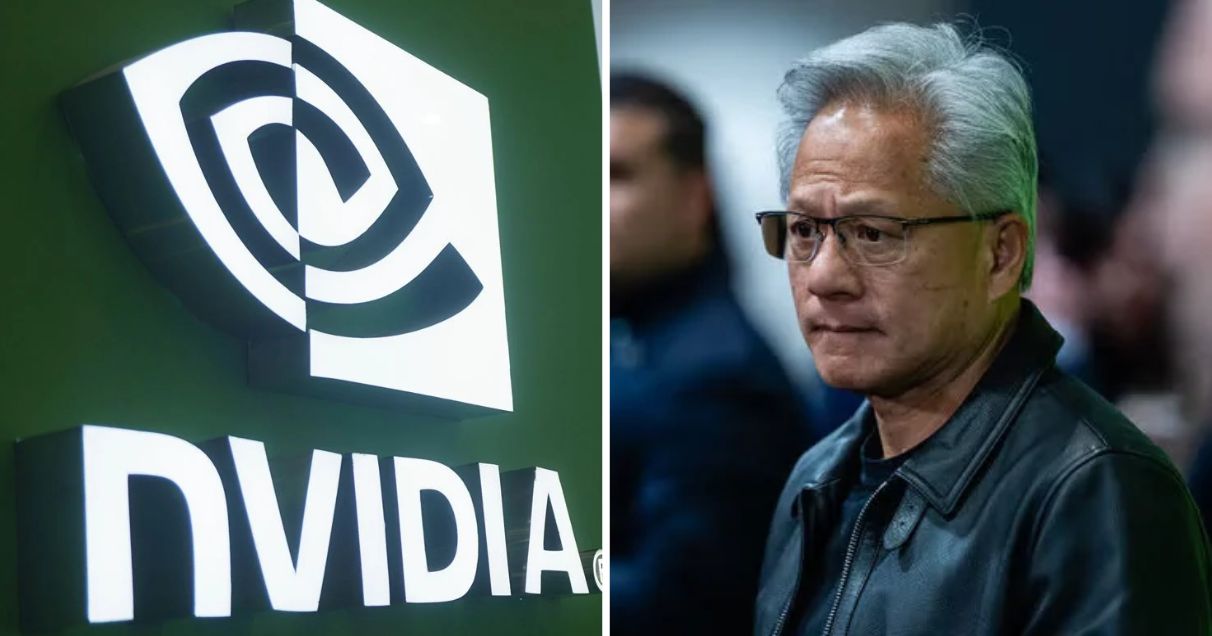
Nvidia shares came under heavy selling pressure on Monday, falling more than 7 per cent in early trading as controversy surrounding CEO Jensen Huang raised questions about corporate governance, leadership stability and the chipmaker's exposure to geopolitical risks linked to China.
The stock was trading at $173.51 at 9:32 am ET, down $13.12 from its previous closing price of approximately $186.64 on the Nasdaq. The decline followed a drop of more than 4 per cent in after-hours trading, when shares slipped to around $178. Losses widened further in pre-market trading ahead of Monday's opening session.
The market reaction followed Huang's admission of an extramarital relationship and Nvidia's decision to initiate an independent investigation into reports that the chief executive may have been targeted in a foreign intelligence operation.
The developments have put renewed focus on the governance risks facing the world's leading AI chipmaker, particularly given Huang's central role in its business and the political sensitivities surrounding its operations in China.
Although Nvidia's board has said it has no indication that company information or US national security interests were compromised, the controversy has prompted concerns about potential regulatory scrutiny and the possibility of a prolonged distraction for its leadership.
WHAT TRIGGERED THE CONTROVERSY AROUND JENSEN HUANG?
The controversy centres on Huang's reported relationship with a business executive identified in media reports as Alice Huang, a former executive at Singapore-based data centre company Megaspeed International.
According to reports, US intelligence agencies suspect that Alice Huang may have collected information on behalf of Beijing. The allegations have raised questions about whether Nvidia's chief executive was the subject of a foreign intelligence operation and whether the episode created any potential security risks for the company.
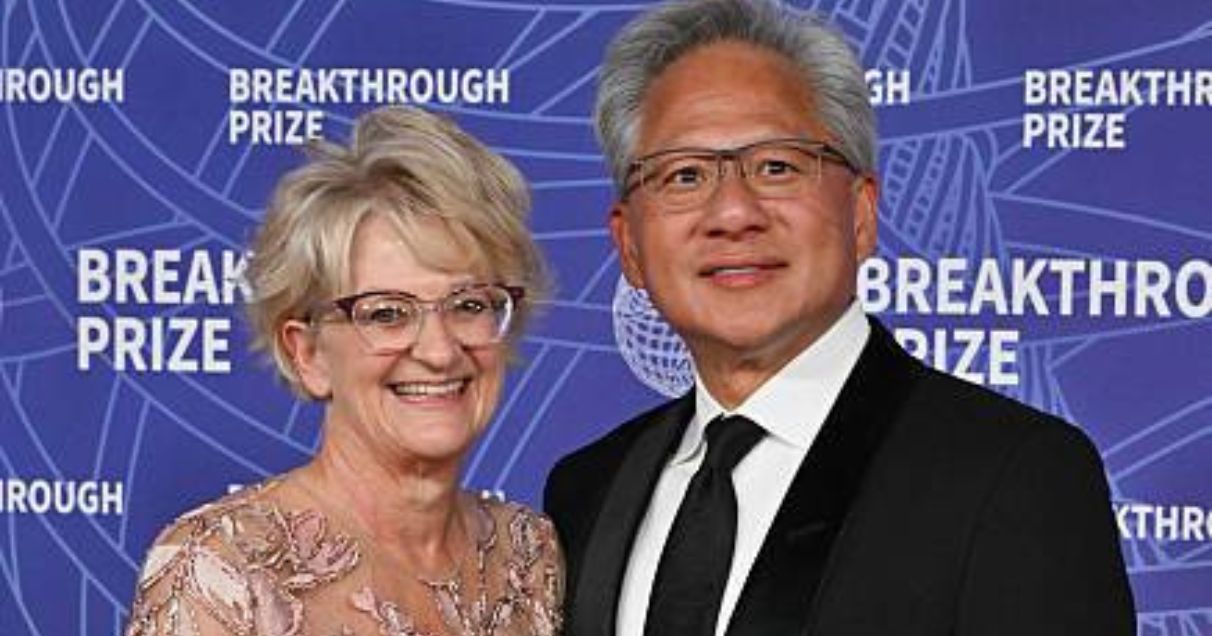
Huang, 63, addressed the personal controversy in a message to Nvidia employees on Sunday, acknowledging that he had been unfaithful to his wife. He apologised to his family and colleagues and accepted responsibility for his actions.
"I was unfaithful to my wife. My actions hurt her and our children. There is no excuse for what I did. I am deeply sorry," he wrote.
The Nvidia chief also acknowledged that the episode had fallen short of the standards expected of him as the company's leader.
"Leading Nvidia is the privilege of my life. My responsibility is to serve you and be worthy of your trust. I have fallen short of that responsibility," Huang said.
In response to the reports, Nvidia's board announced an independent inquiry to examine the allegations concerning a possible foreign intelligence operation. A committee comprising independent directors will supervise the investigation with assistance from external legal advisers.
The board has maintained that there is currently no reason to believe Nvidia's confidential information or US national security has been compromised. Huang has agreed to cooperate with the inquiry, while directors have reiterated their confidence in him and the company's senior leadership.
BEIJING REJECTS ESPIONAGE ALLEGATIONS
China has dismissed suggestions that it used a business executive to obtain information about Huang, describing the accusations as politically motivated.
Chinese Foreign Ministry spokesperson Guo Jiakun rejected the allegations on Monday, calling the portrayal of a so-called Chinese spy an attempt at baseless defamation.
The dispute has also revived scrutiny of Nvidia's commercial links with China, a market complicated by US restrictions on exports of advanced semiconductor technology.
Megaspeed International, the Singapore-based data centre company associated with Alice Huang in media reports, has also faced allegations concerning the movement of advanced AI chips into China. However, the claims surrounding the executive and the reported intelligence operation have not been established.
There is currently no confirmed evidence that Jensen Huang transferred confidential Nvidia information to Beijing or that the company's technology was compromised. The independent investigation is expected to examine the allegations.
WHY BERNSTEIN IS CAUTIOUS ABOUT NVIDIA
The controversy has attracted attention from Wall Street, with brokerage Bernstein retaining its Outperform rating on Nvidia despite warning that the episode could create reputational and regulatory challenges.
The brokerage said the espionage allegations appeared to have limited substance based on information available so far. However, it described the situation as a damaging development for the company.
Bernstein also questioned claims that Alice Huang may have influenced the Nvidia CEO's efforts to persuade Washington to ease restrictions on chip sales to China. The brokerage noted that Jensen Huang had consistently advocated greater access to the Chinese market, making the suggestion of outside influence less convincing.
It further pointed out that Nvidia's business in China remains relatively limited. Products that have received permission for sale, including the H20 and H200 chips in restricted quantities, are behind the company's most advanced AI processors.
According to the brokerage, sales have also been constrained by China's preference for developing and adopting domestic semiconductor alternatives.
Nevertheless, Bernstein cautioned that the allegations could not be dismissed entirely. If the suspected intelligence operation had taken place, information could potentially have been obtained through channels outside Nvidia's official devices and systems.
JENSEN HUANG'S CENTRAL ROLE RAISES SUCCESSION QUESTIONS
Beyond the immediate controversy, Bernstein identified Nvidia's dependence on Huang as a potential vulnerability for investors.
The company's extraordinary growth during the artificial intelligence boom has been closely associated with his leadership, strategic decisions and influence over its operations.
The brokerage argued that Nvidia's organisational structure makes Huang particularly difficult to replace. It noted that approximately 60 executives report directly to him, highlighting the extent of his involvement in the company's decision-making.
Bernstein also raised questions about who could take over if Huang were to step away from the chief executive position or become unable to continue in the role.
The uncertainty surrounding his leadership could weigh on investor sentiment until the independent inquiry is completed and the company provides greater clarity, the brokerage cautioned.
US POLITICAL SCRUTINY COULD ADD TO PRESSURE
The controversy could also complicate Nvidia's relationship with policymakers in Washington, particularly as semiconductor exports to China remain a politically sensitive issue.
Bernstein warned that the episode could strengthen the position of US lawmakers who favour tougher restrictions on technology transfers to Beijing. It could also attract criticism from Democrats who have questioned Huang's relationship with US President Donald Trump.
While the brokerage does not expect the controversy to immediately weaken demand for Nvidia's products, it sees the possibility of increased regulatory intervention as AI infrastructure and advanced chip technology become increasingly important to national security.
For investors, the immediate concern is whether the episode remains confined to Huang's personal conduct or develops into a broader corporate governance and national security issue.
The outcome of the board's investigation, any subsequent regulatory action and the implications for Nvidia's China business are likely to remain key factors influencing sentiment towards the stock.