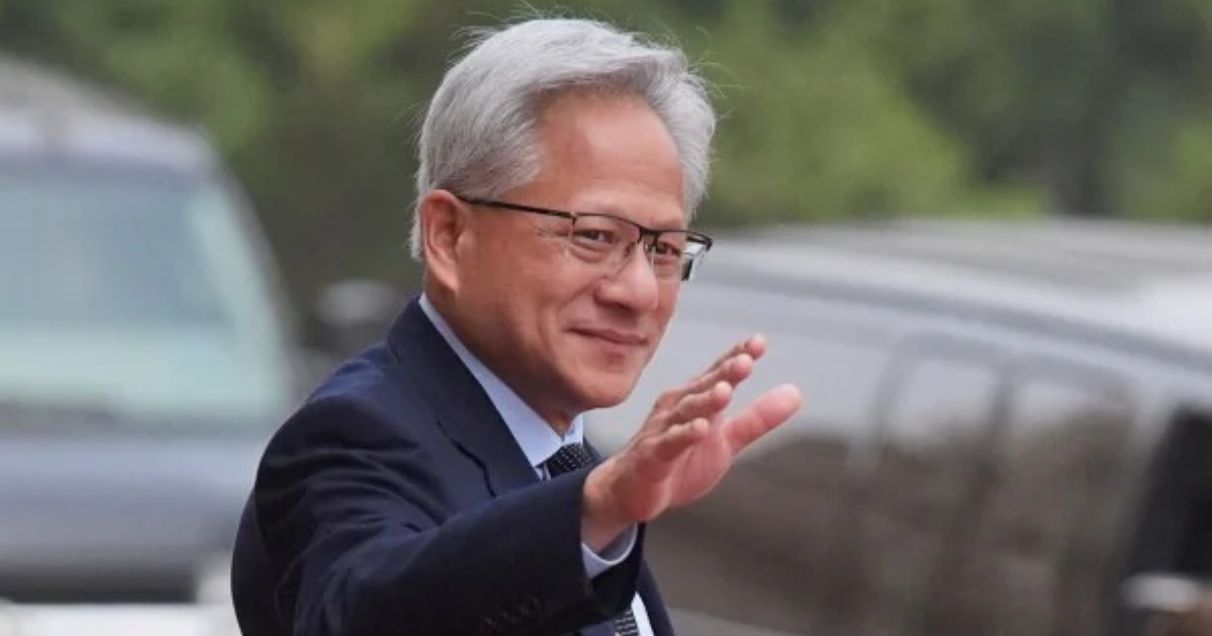
Nvidia's decision to bring Jensen Huang back as its chief executive has triggered fresh questions about the influence of Washington and Silicon Valley on corporate leadership, particularly as investigations into his alleged personal and professional connections with individuals suspected of links to Chinese intelligence remain ongoing.
The company's board announced on Monday that it had unanimously approved Huang's return after a series of discussions and meetings. The move represented a dramatic reversal of its earlier position, when directors had reportedly ruled out the possibility of reinstating him.
According to the Financial Times, Nvidia chair Harvey Jones had told investors during the company's quarterly earnings call that the board had accepted Huang's resignation unanimously and had no plans to reconsider its decision.
However, developments over the following days changed the situation considerably. Influential technology executives, investors and political figures reportedly rallied behind Huang, arguing that his continued leadership was critical to Nvidia's future and America's position in the global artificial intelligence race.
The stakes were particularly high for the chipmaker, given Huang's association with Nvidia's growth into one of the world's most valuable technology companies. Reports also pointed to a sharp erosion in its market valuation following his departure, with losses exceeding 40 per cent.
SILICON VALLEY HEAVYWEIGHTS CAMPAIGN FOR HUANG'S RETURN
Support for Huang gathered momentum over the weekend, with several prominent names from the technology industry publicly advocating his reinstatement.
According to reports by the Financial Times and The New York Times, entrepreneurs and investors engaged in efforts to persuade Nvidia's board to reconsider its decision. Tesla and SpaceX chief Elon Musk and former Uber CEO Travis Kalanick were among those who supported Huang's return.
An online campaign demanding his reinstatement reportedly collected more than 200,000 signatures, including thousands of individuals identifying themselves as Nvidia employees.
Musk welcomed the board's announcement on Monday, describing the reversal as a correction of an earlier mistake.
Trump, who has previously referred to Huang as a friend and political donor, also emerged as a prominent supporter of his return. After Nvidia confirmed the appointment, the US President publicly praised the decision, calling it the right move for the company and the country.
Trump described Huang as a patriot and a national asset, arguing that his leadership was important for Nvidia's continued success and the broader American economy.
TRUMP'S PUBLIC SUPPORT RAISES QUESTIONS OVER BOARD DECISION
The US President's involvement became a major talking point as the timeline of events surrounding Huang's reinstatement emerged.
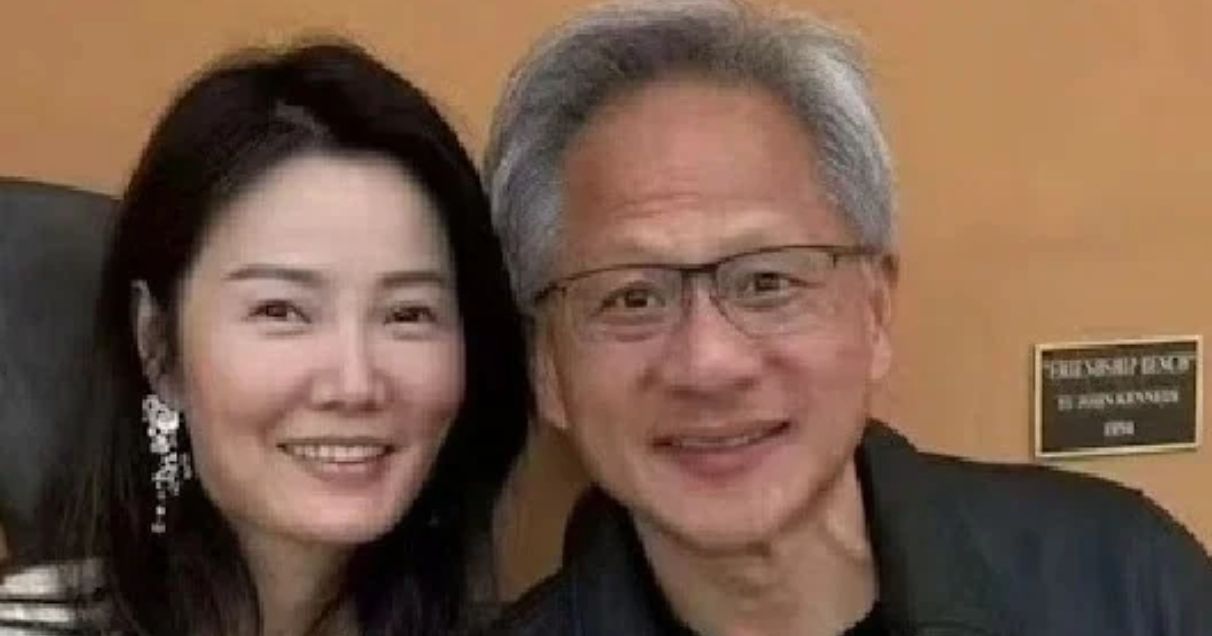
PBS White House correspondent Liz Landers posted on X that she had spoken with Trump about reports concerning a woman associated with Huang and her alleged communications with an official from China's top intelligence agency.
According to Landers, Trump responded by saying that Huang was back where he belonged.
The post appeared approximately 30 minutes before Reuters reported Nvidia's decision to reinstate its chief executive, adding to speculation about how closely the administration was involved in the developments.
Social media commentator Eric Daugherty also highlighted the rapid change in the board's position, pointing to Trump's public intervention shortly before the announcement.
The political backing has prompted questions about whether the administration played a decisive role in persuading Nvidia's directors to reverse their earlier decision.
The market reacted sharply to the announcement. Nvidia shares reportedly surged around 30 per cent in premarket trading on Monday, reflecting investor optimism over Huang's return.
The rally also fuelled speculation about possible advance trading based on knowledge of Trump's planned statement. Peter Schiff, chief economist and global strategist at Euro Pacific Asset Management, suggested on X that individuals close to the administration might have purchased Nvidia and other AI-related stocks before the announcement. However, no evidence establishing such trading was provided in the remarks.
SCOTT BESSENT'S POSITION ALSO APPEARS TO HAVE SHIFTED
Treasury Secretary Scott Bessent's changing stance was another significant development during the campaign to restore Huang's leadership.
The Financial Times reported that Bessent adopted a less definitive position on Sunday when asked about the possibility of Huang returning to Nvidia.
This differed from his earlier approach, when he had reportedly encouraged the board to consider a broader leadership restructuring, including candidates from outside the company.
His apparent change in tone came as support for Huang intensified across the technology industry and political establishment.
Meanwhile, prediction markets also reflected growing expectations of a comeback. The probability of Huang returning reportedly climbed to 17 per cent on Kalshi and 19 per cent on Polymarket.
BOARD'S REVERSAL DRAWS CRITICISM
Despite the strong support from influential business and political figures, Nvidia's decision has attracted criticism over the circumstances surrounding Huang's departure and reinstatement.
MS NOW opinion editor Tim O'Brien questioned whether allegations involving Huang's personal relationships, workplace conduct and possible security implications had been adequately addressed before the board reversed its decision.
American journalist Sam Stein suggested that pressure from the US administration had influenced the board's actions. He argued that the government appeared to have prioritised Nvidia's commercial performance and market position despite the serious allegations surrounding its former chief executive.
University of Michigan economics professor Justin Wolfers also questioned the decision, highlighting allegations concerning Huang's relationships, conduct towards employees, disclosures to the board and the movement of restricted chips to China.
The criticism has centred on whether commercial considerations and political pressure overshadowed the governance and national security concerns that had initially surrounded Huang's position.
INVESTIGATIONS INTO ALLEGED CHINESE INTELLIGENCE LINKS CONTINUE
Huang's reinstatement has not brought an end to the investigations surrounding the controversy.
Nvidia said its board had consulted senior US government officials before approving his return. Following those discussions, directors concluded that reinstating Huang did not present a national security risk.
However, the company has indicated that its internal examination of the allegations will continue. Politico also reported that an independent committee of the board would investigate claims that Huang had been targeted by a foreign intelligence operation.
Trump has maintained that the US government has no evidence establishing that Huang committed an offence. At the same time, he has called for continued scrutiny of Nvidia's compliance with American export-control regulations.
The controversy has unfolded during a turbulent period for the semiconductor giant. Nvidia's market capitalisation reportedly declined by more than $2.5 trillion from its October peak as concerns surrounding Huang's personal relationships and the company's alleged connections to a suspected Chinese intelligence operative intensified.
With Huang now back in charge, Nvidia faces the challenge of restoring investor confidence while addressing unresolved questions about corporate governance, export compliance and national security.
His return may have settled the immediate question of who will lead the chipmaker, but the investigations that triggered the crisis remain far from concluded.