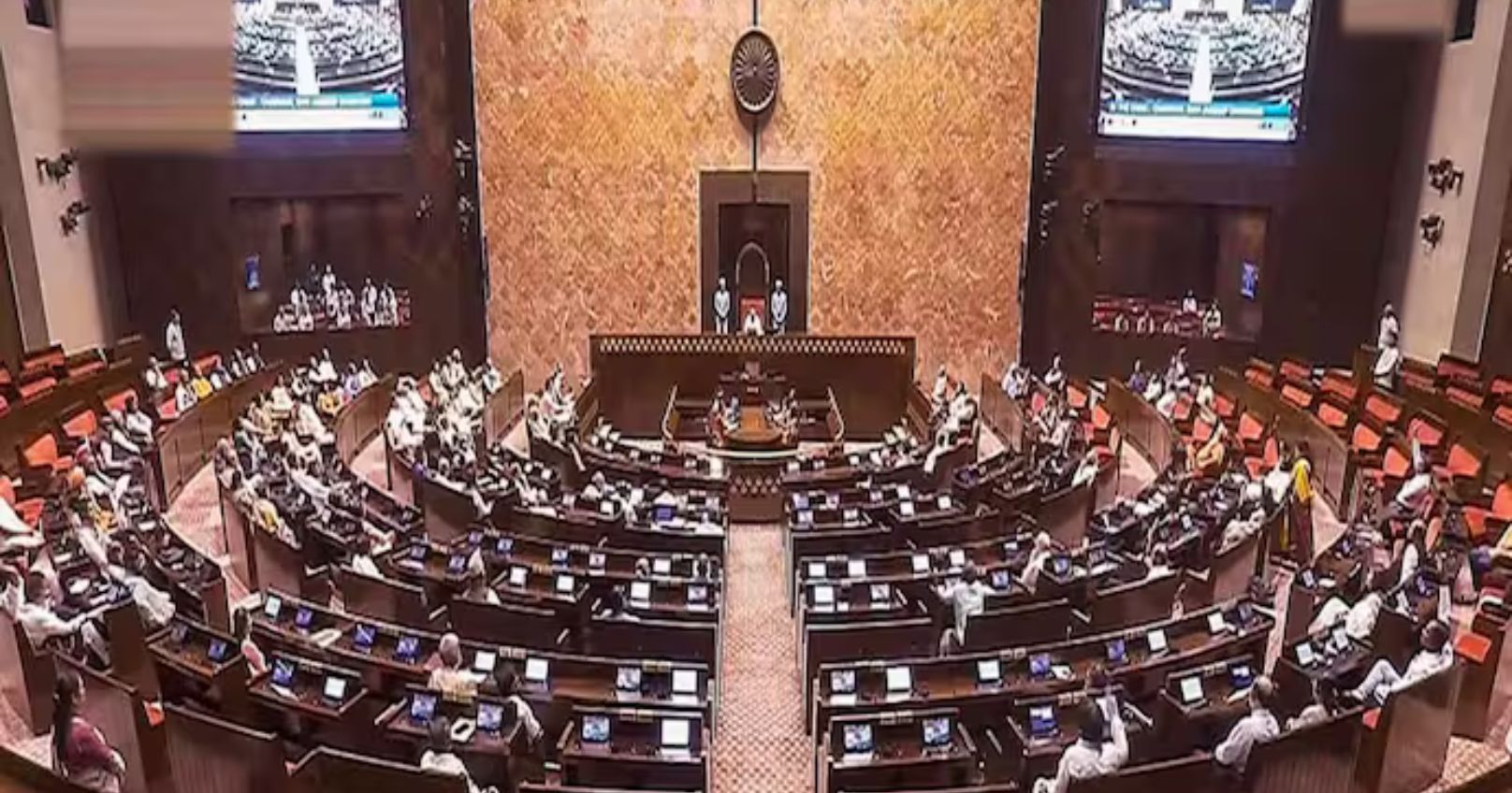
Parliament on Thursday gave its final approval to the Public Examinations (Prevention of Unfair Means) Amendment Bill, 2026, after the Rajya Sabha passed the legislation through a voice vote amid protests and a walkout by Opposition members led by the Congress. The Lok Sabha had cleared the bill a day earlier.
The amended law seeks to crack down on question paper leaks and examination fraud by introducing harsher punishments and a faster judicial process for offenders.
Under the new provisions, anyone found guilty of leaking examination papers or engaging in malpractice during public examinations can face a prison sentence of five to 10 years, along with a monetary penalty of up to Rs 50 lakh. In cases involving organised rackets, the punishment increases to a minimum of seven years in jail and fines that can go up to Rs 10 crore.
The legislation also authorises state governments and Union Territory administrations to designate special fast-track courts for handling such cases. These courts will be required to conduct hearings on a day-to-day basis and complete trials within three months of the filing of the charge sheet.
Additionally, the Centre has been empowered to set up a dedicated task force to investigate offences under the law whenever necessary.
The bill's passage in the Upper House came amid political drama, with several Opposition parties walking out shortly before the voting process.
The protest erupted after Congress leader and Deputy Leader of the Opposition in the Rajya Sabha, Pramod Tiwari, demanded the presence of Union Home Minister Amit Shah during the debate. Referring to allegations of police action against protesting students, Tiwari said the House expected the Home Minister to respond to concerns raised during the discussion.
Rajya Sabha Chairman C P Radhakrishnan rejected the demand and asked Union Minister Jitendra Singh to proceed with his reply to the debate. Following this, Congress and other Opposition MPs exited the House.
Leader of the House J P Nadda criticised the walkout, accusing the Opposition of avoiding the minister's response after participating in an extensive debate that lasted several hours.
He said every member had been given an opportunity to speak and alleged that the Opposition's decision to leave reflected a lack of interest in constructive discussion and parliamentary traditions.
Earlier, Leader of the Opposition Mallikarjun Kharge questioned the absence of Prime Minister Narendra Modi and Amit Shah during the debate. He also criticised the government's handling of student protests and accused the Home Minister of being responsible for alleged police excesses.
With both Houses of Parliament now approving the legislation, the anti-paper leak bill will become law after receiving presidential assent.