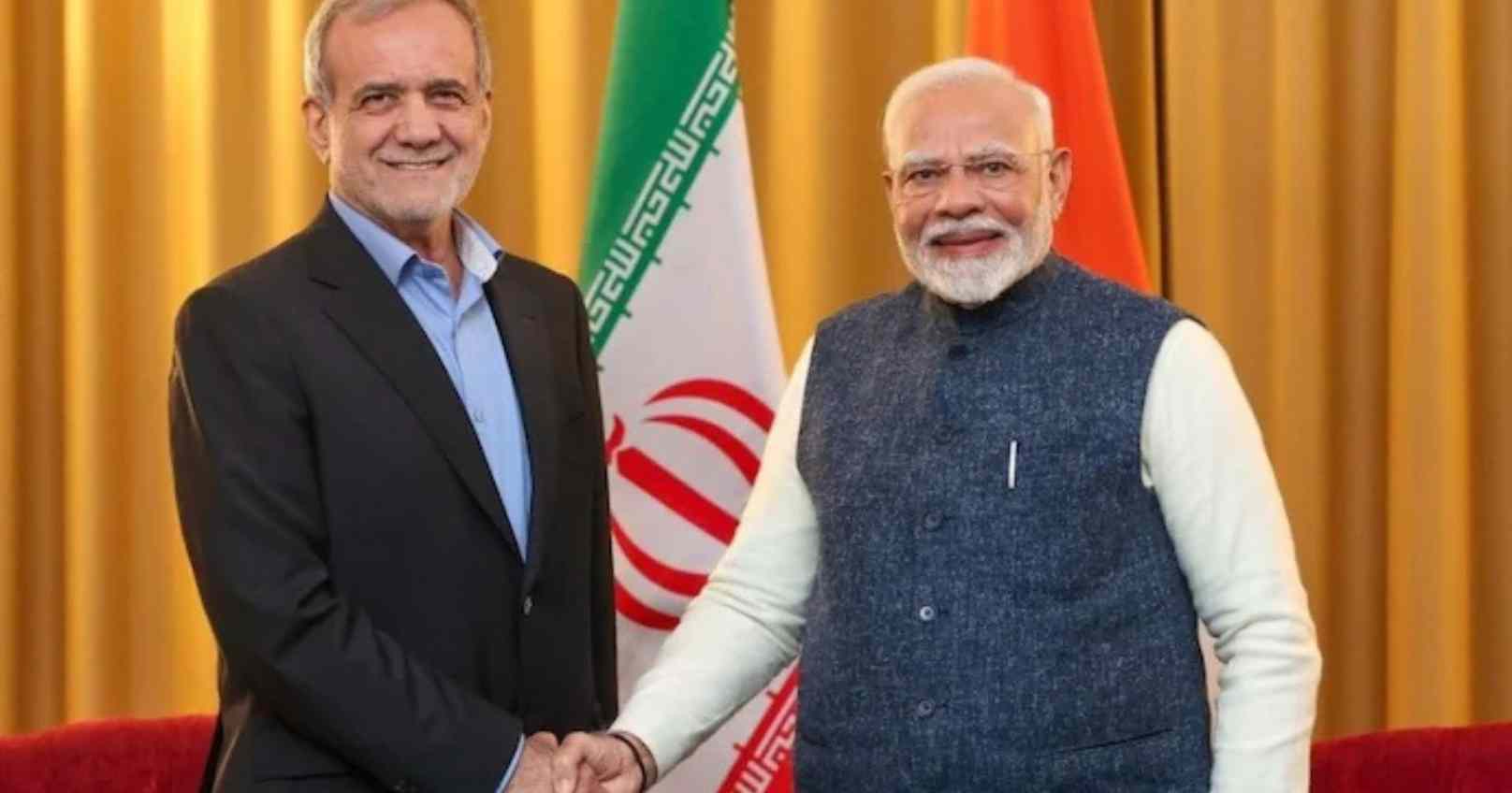
Prime Minister Narendra Modi on Tuesday held a telephone conversation with Iranian President Masoud Pezeshkian, during which the two leaders discussed the latest developments in West Asia following recent diplomatic efforts aimed at easing regional tensions.
During the discussion, President Pezeshkian briefed the Prime Minister on the current situation and shared Iran's perspective on the path ahead. Responding to the update, PM Modi welcomed the progress made toward reducing tensions and reiterated India's consistent view that disputes should be settled through peaceful dialogue and diplomatic engagement.
The Prime Minister also highlighted the importance of maintaining long-term peace and stability across the region. He underlined that ensuring uninterrupted maritime trade and protecting key international shipping routes remain vital for global economic stability.
India Reiterates Support for Peaceful Resolution
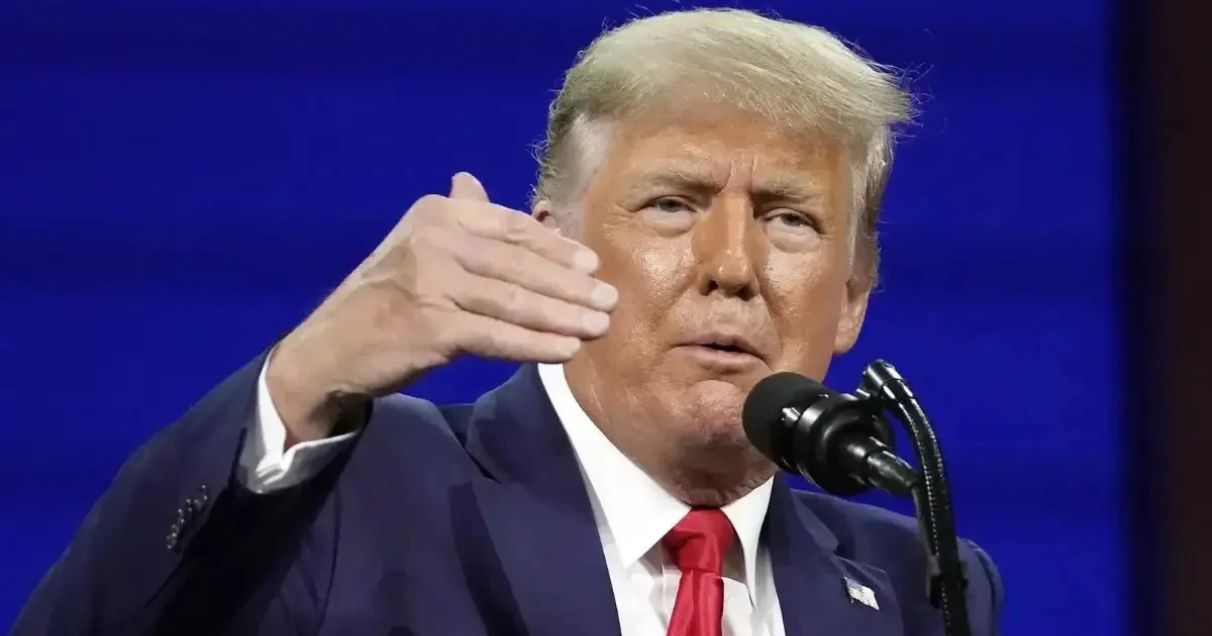
The conversation comes at a significant moment as diplomatic initiatives continue to support the fragile understanding reached between Iran and the United States after months of heightened tensions.
India has consistently advocated restraint and encouraged all parties to resolve differences through negotiations rather than conflict. New Delhi has also repeatedly emphasised the strategic importance of keeping major sea lanes, including the Strait of Hormuz, open for uninterrupted global trade and energy supplies.
Funeral Invitation for Former Iranian Supreme Leader
The phone call also followed President Pezeshkian's invitation to Prime Minister Modi to attend the funeral ceremonies of former Iranian Supreme Leader Ayatollah Ali Khamenei, who was killed during Israeli and US airstrikes on Tehran earlier this year.
According to official announcements, the funeral ceremonies will begin on July 4 and conclude on July 9, with Khamenei's burial scheduled in Mashhad, his birthplace in northeastern Iran. A separate memorial event is also planned in the holy city of Qom on July 7.Government sources said India will be represented at the funeral by Minister of State for External Affairs Pabitra Margherita and Bihar Governor Lt Gen (Retd) Syed Ata Hasnain.
The funeral had been delayed because of the extraordinary circumstances surrounding the conflict. While Islamic customs generally call for burial soon after death, exceptions are permitted during periods of war or other exceptional situations.a