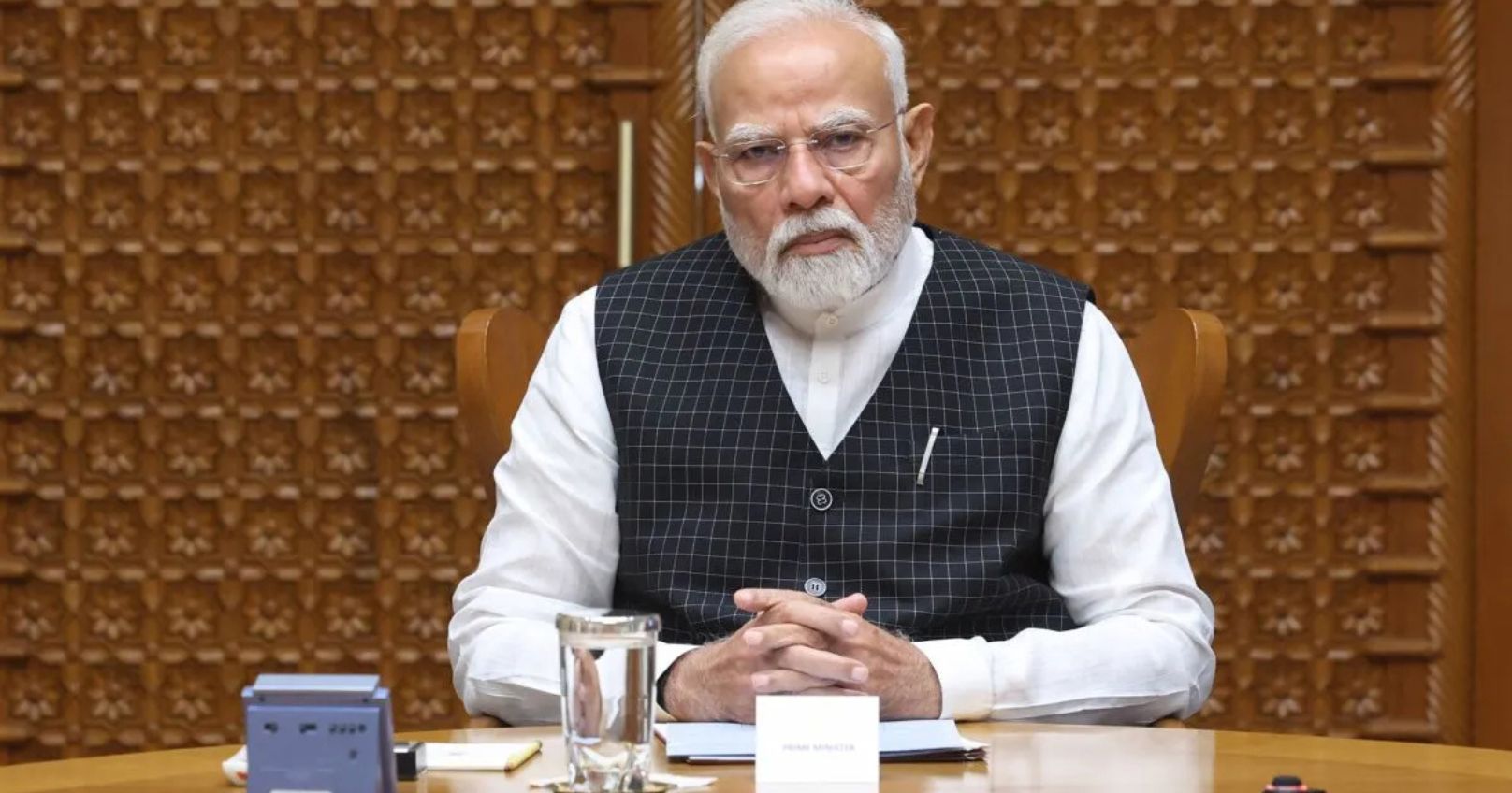
Prime Minister Narendra Modi on Thursday chaired a meeting of the Cabinet Committee on Security (CCS) to assess the unfolding developments in West Asia and evaluate their possible impact on India's energy needs, according to sources.
The high-level meeting, held in Parliament, brought together key members of the Union Cabinet and senior security officials to review the country's preparedness in the event of any disruption to fuel imports caused by instability in the region.
Those present included Defence Minister Rajnath Singh, Finance Minister Nirmala Sitharaman, External Affairs Minister S. Jaishankar, Commerce Minister Piyush Goyal, Parliamentary Affairs Minister Kiren Rijiju and BJP president and Union Minister JP Nadda.
Petroleum and Natural Gas Minister Hardeep Singh Puri, Ports, Shipping and Waterways Minister Sarbananda Sonowal, National Security Adviser Ajit Doval and other senior government officials also attended the discussions.
Sources said the meeting primarily focused on the implications of the evolving geopolitical situation in West Asia for India's imports of crude oil, LPG, petroleum products and other essential energy resources.
The CCS also examined contingency plans aimed at ensuring uninterrupted fuel availability if tensions in the region intensify further or affect global supply chains.
With India relying heavily on West Asian nations for a substantial portion of its crude oil and liquefied natural gas (LNG) requirements, the participation of senior ministers handling defence, foreign affairs, finance, energy and transport reflected the government's close monitoring of the situation and its emphasis on protecting the country's energy security.