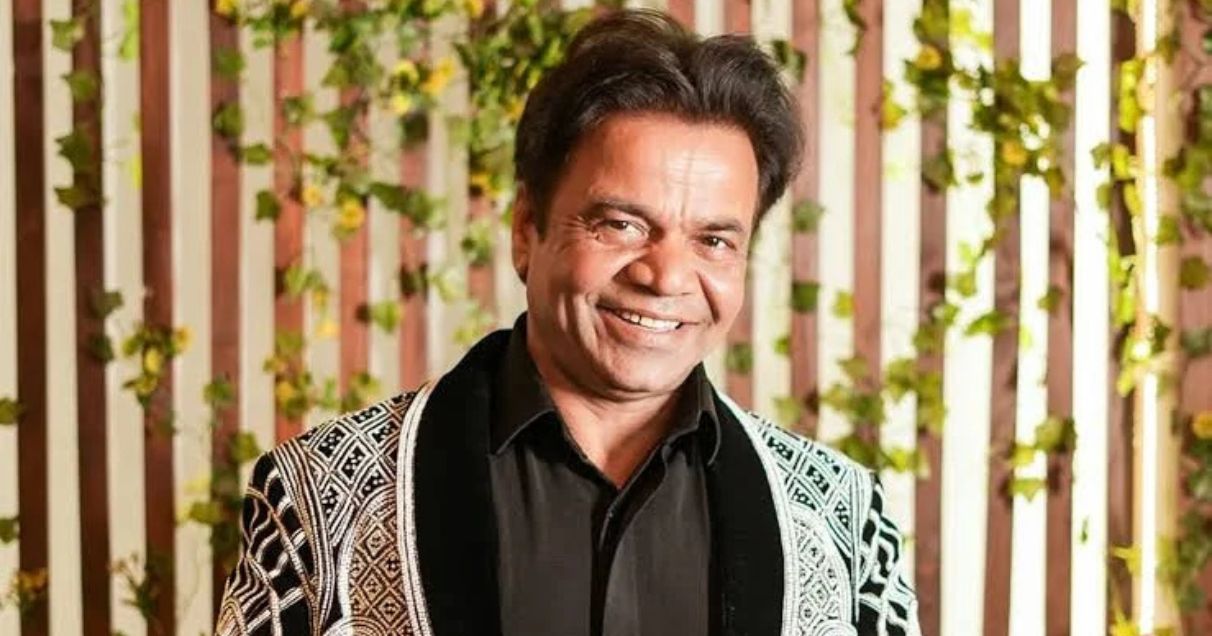
Actor Rajpal Yadav received temporary relief from the Supreme Court on Tuesday in a long-running cheque-bounce case, with the court giving him two weeks to present a firm plan for clearing his outstanding dues.
A bench led by Chief Justice of India Surya Kant directed Yadav to deposit a Rs 2 crore demand draft with the Supreme Court registry. The matter has been listed for the next hearing on October 5.
The court also ordered Yadav to surrender his passport and extended his exemption from surrendering in the case until the matter is taken up again.
Supreme Court calls it Yadav's last chance
During the hearing, the bench questioned Yadav's conduct and expressed reservations about his track record of commitments made during the proceedings.
Chief Justice Surya Kant observed that Yadav was a successful actor in films but said he hoped the actor would not “act” before the court.
The bench made it clear that the relief being granted should be treated as Yadav's final opportunity to establish his bona fides and demonstrate that he was serious about resolving the dispute with the complainant.
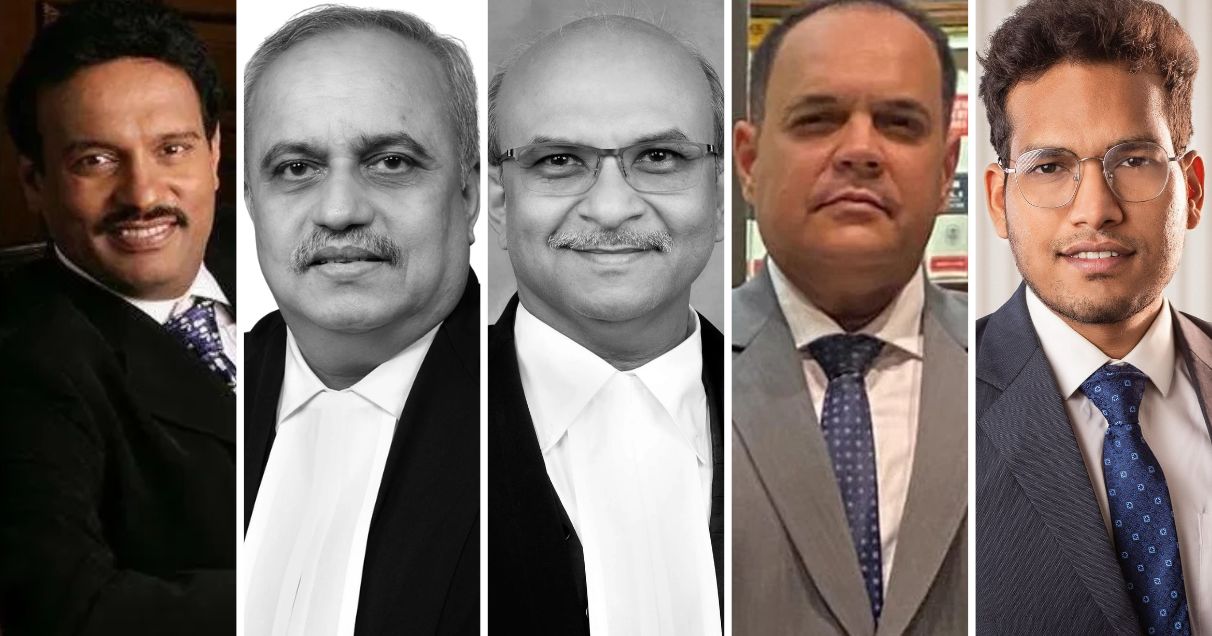
Appearing for Yadav, senior advocate PS Patwalia requested two weeks to work out a detailed repayment arrangement. He told the court that Yadav would deposit Rs 2 crore as an indication of his willingness to honour the proposed settlement.
Patwalia also submitted that Yadav had already spent approximately four-and-a-half months in custody and had received financial assistance from friends in the entertainment industry to secure his release.
Complainant seeks recovery of money
Senior advocate Ajit Sinha, representing Murali Projects Pvt Ltd, told the court that the company's primary concern was recovery of its dues.
The complainant alleged that Yadav had repeatedly failed to fulfil payment commitments made during the course of the litigation.
The dispute stems from seven cheque-bounce complaints filed by Murali Projects.
According to the company, Yadav received financial assistance of Rs 5 crore in 2010 for making the film Ata Pata Laapata, for which he served as director and producer.
The movie did not perform well commercially, leading to substantial losses. The complainant said that Yadav subsequently issued seven cheques worth Rs 1.05 crore each in 2013 as part of an arrangement to settle the dues. All seven cheques were allegedly dishonoured.
Repayment amount grew with interest
An agreement reached between the parties in 2012 reportedly envisaged repayment of approximately Rs 11 crore, including interest.
The amount payable subsequently increased significantly because of accumulated interest and penalties, according to the case record.
Yadav was eventually convicted in the cheque-bounce proceedings. He was taken into custody after failing to make the required payments despite giving undertakings before the courts.
Delhi High Court upheld conviction
On July 10, the Delhi High Court upheld Yadav's conviction and imposed a sentence of three months' imprisonment in each of the seven cases.
The High Court had also criticised the actor over repeated failures to honour commitments relating to payment.
It declined to condone a delay of 1,894 days in challenging the conviction and directed Yadav to pay more than Rs 1 crore in each case to Murali Projects.
At the same time, the High Court kept the sentence in abeyance for two months, giving Yadav an opportunity to approach the appellate court.
It further ordered that approximately Rs 2 crore already deposited by Yadav be adjusted against the amount ultimately payable to the complainant.
Supreme Court had earlier sought Rs 5 crore deposit
The Supreme Court had on September 8 issued notice on a petition filed by Yadav and his wife, Radha Rajpal Yadav, challenging the Delhi High Court's order.
At that stage, the court had exempted Yadav from surrendering, subject to a direction that Rs 5 crore be deposited with the Supreme Court registry.
With Tuesday's order, Yadav has been given another two weeks to place a concrete repayment proposal before the court. The case will next come up for hearing on October 5.