A petition before the Supreme Court has called for a time-bound overhaul of basic passenger facilities at railway stations across the country, highlighting concerns over drinking water quality, sanitation, cleanliness and access to emergency medical care.
The plea urges the Centre and the authorities concerned to ensure that passengers have access to safe drinking water, usable toilets, proper waste disposal systems and essential medical assistance. It also seeks minimum standards for passenger amenities, backed by a monitoring system to ensure that deficiencies are addressed without delay.
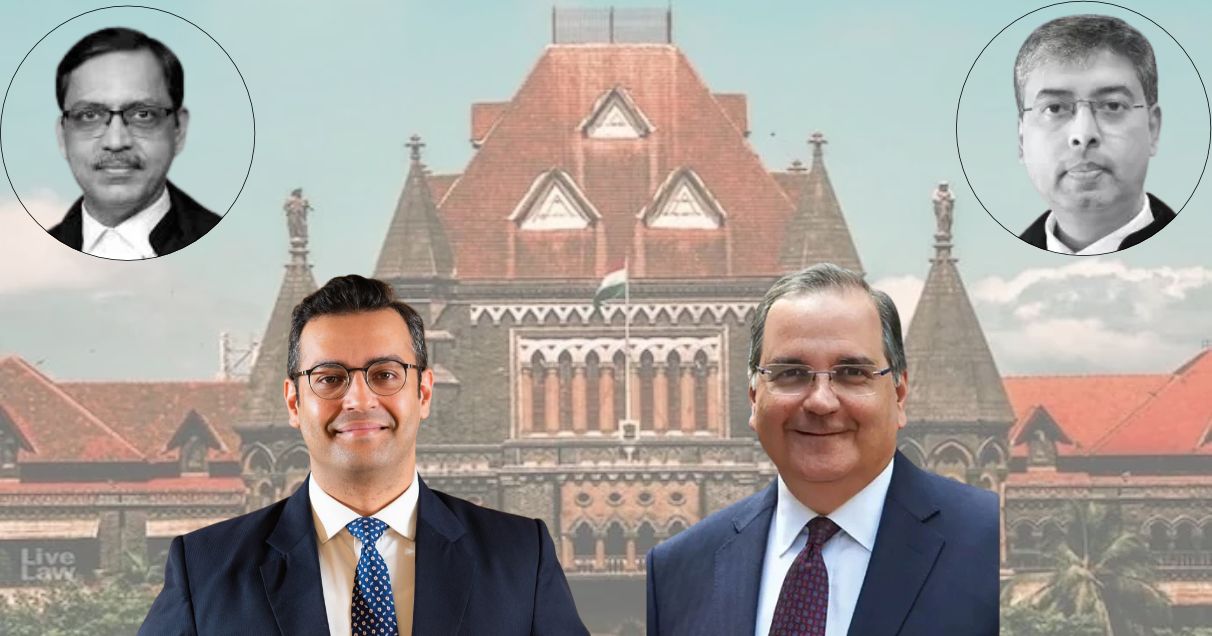
The matter is listed for hearing on November 16 before a Bench comprising Chief Justice Surya Kant and Justices Joymalya Bagchi and V Mohana, according to the Supreme Court's cause list.
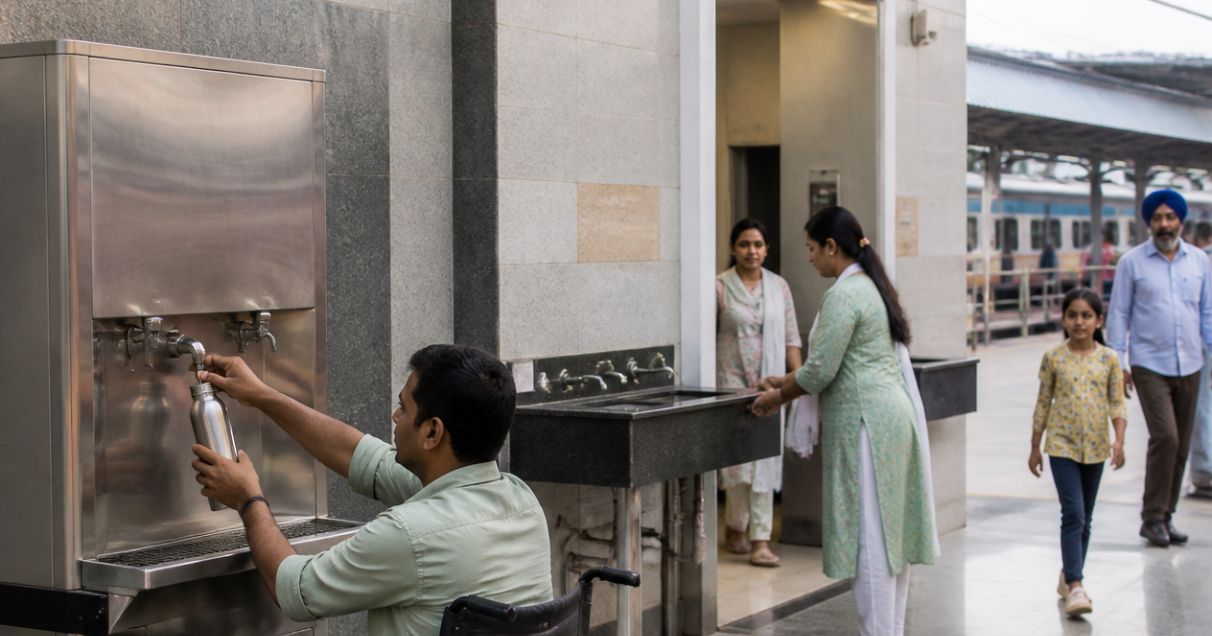
A key demand in the petition is that all drinking water sources available to passengers at railway stations undergo comprehensive and regular quality checks. These tests, it says, should cover E. coli, total coliforms and other prescribed bacteriological and chemical parameters.
The petition has asked the court to direct authorities to immediately shut down any source found to be contaminated and arrange safe alternative drinking water until the problem is rectified and the supply is certified fit for consumption.
CAG REPORT FLAGS WATER QUALITY CONCERNS
The plea draws attention to a Comptroller and Auditor General of India report presented in Parliament in August. The audit had raised concerns over the presence of E. coli bacteria in drinking water samples collected from water coolers, as well as unhygienic washroom conditions at several railway stations, PTI reported.
Citing the findings, the petitioner has sought implementation of the relevant CAG recommendations within clearly defined deadlines. It has proposed station-specific corrective action plans, supported by transparent and effective monitoring to track compliance.
PLEA SEEKS ACCOUNTABILITY FOR LAPSES
The petition argues that officials responsible for addressing problems at railway stations should be held accountable if they fail to act, neglect their duties or cause unjustified delays in implementing corrective measures.
It has asked for appropriate action under the law against officers found responsible for such lapses.
The petitioner has also sought urgent interim directions while the case remains pending, particularly on issues that pose an immediate risk to passenger health and safety. These include contaminated drinking water, inadequate toilets, poor sanitation, unhygienic surroundings, improper waste management and insufficient emergency medical arrangements.
At its core, the plea seeks judicial intervention to establish enforceable deadlines for improving railway station facilities, ensure routine checks of drinking water and create a system in which authorities are answerable for failures to meet prescribed standards.