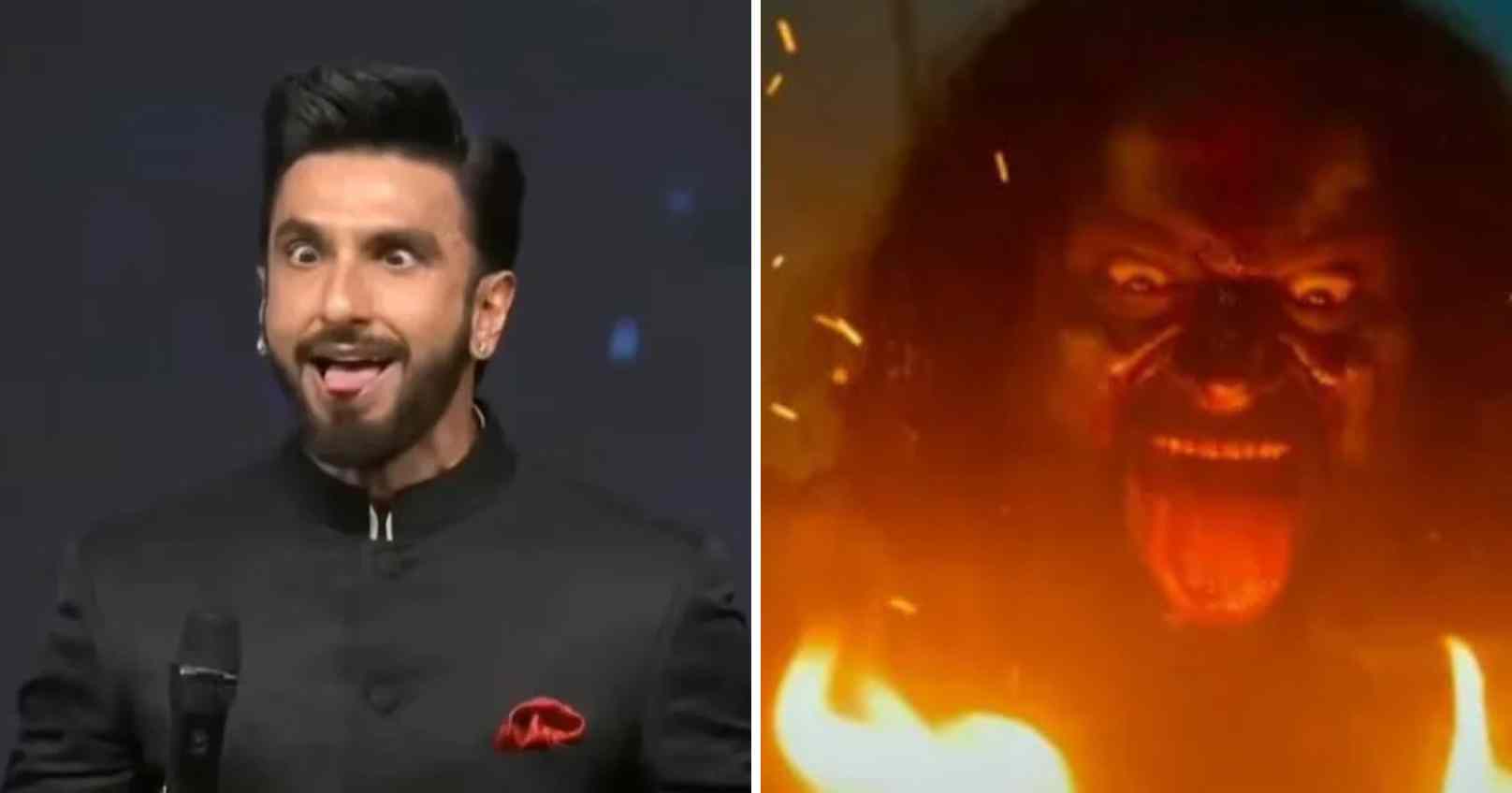
Bollywood star Ranveer Singh has approached the Karnataka High Court, seeking to quash criminal proceedings initiated against him over remarks made while recreating a Daiva sequence from the film Kantara Chapter 1.
The plea, filed in Bengaluru, is being heard by a bench led by Justice M Nagaprasanna. Singh’s legal representatives argued that his comments were intended as appreciation for filmmaker-actor Rishab Shetty and the powerful characterisation in the film, and not as an attempt to mock or disrespect any tradition.
According to the petition, the actor’s words were taken out of context and wrongly portrayed as criminal. His counsel also told the court that Singh has already received two police notices in connection with the issue, placing him under considerable strain.
During the hearing, the defence requested that the matter be taken up urgently and decided the same day, citing the pressure faced by the actor. However, the court declined to fast-track the case. Justice Nagaprasanna questioned whether celebrity status should warrant priority treatment, remarking that the legal process must apply uniformly, regardless of public profile.
The bench ultimately chose to proceed as per standard procedure and scheduled the hearing for the following day.
What Sparked the Row
The controversy began at the closing ceremony of the International Film Festival of India in 2025, where Singh reenacted a climactic Daiva moment from the film while praising its impact on him. He referred to the Chamundi Daiva sequence as one of the standout elements.
Although Shetty appeared amused at the event, segments of social media later criticised Singh’s description of the ritual, objecting to the use of the term “ghost” and emphasising that Daivas are revered deities in local tradition. The backlash intensified after another clip circulated in which Shetty seemed to caution Singh about mimicking the act.
Following the uproar, Singh issued a public apology, stating that he had no intention of hurting religious or cultural sentiments.
The High Court’s decision on his petition is now awaited, as the case continues to draw attention from both legal observers and film industry followers.