Recusal Plea Puts Court In Catch-22: Delhi HC Judge Responds To Kejriwal In Excise Case
Justice Swarana Kanta Sharma says stepping aside would raise doubts about judicial independence while hearing plea linked to the excise policy matter
20-04-2026

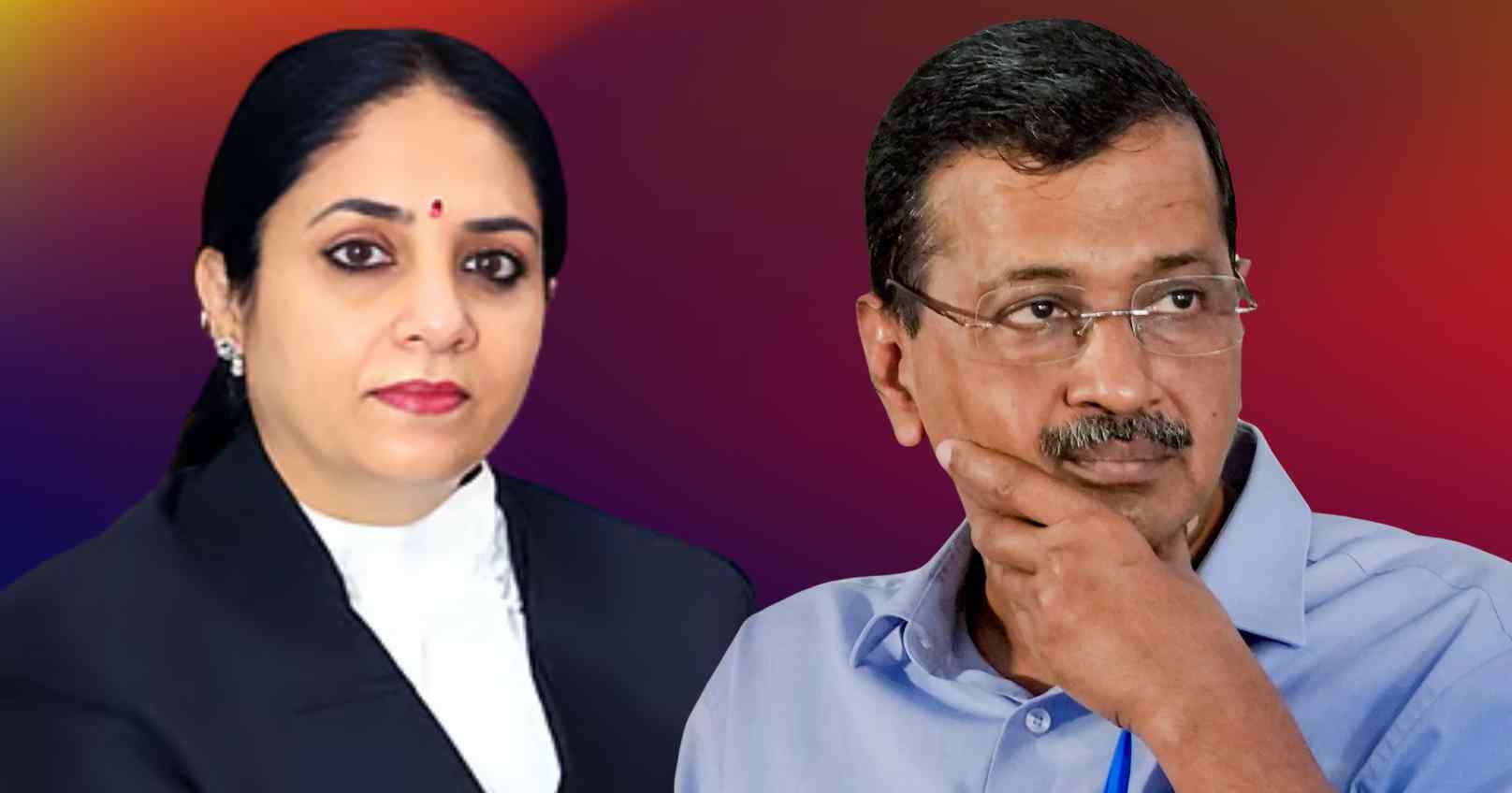
A bench of the Delhi High Court headed by Justice Swarana Kanta Sharma on Monday began pronouncing its decision on applications seeking her withdrawal from proceedings related to the excise policy case. During the hearing, the judge observed that the demand for her recusal had placed her in a “Catch-22” situation, while offering what she termed a “win-win” scenario to AAP leader Arvind Kejriwal.
The petitions were filed by Kejriwal, Manish Sisodia and others, requesting that Justice Sharma step aside from hearing the Central Bureau of Investigation’s challenge to Kejriwal’s discharge in the alleged liquor policy irregularities case.
Kejriwal had argued that earlier rulings denying relief to him and co-accused — including Sisodia and K Kavitha — reflected possible prejudice. He further cited what he described as a “conflict of interest,” claiming that the judge’s children were empanelled as lawyers representing the central government.
Justice Sharma responded firmly, placing additional submissions from Kejriwal on record while underscoring the broader implications of recusal demands on judicial institutions.
She remarked that if she declined to grant relief, it could be portrayed as a predetermined outcome, whereas granting relief might be interpreted as the court succumbing to pressure. Such a scenario, she noted, allowed the litigant to shape the narrative to his advantage regardless of the result.
The judge cautioned that stepping aside could create a public perception that judges are influenced by political affiliations or ideological leanings. According to her observations, issuing a recusal order in such circumstances might undermine faith in the independence of the judiciary.
Justice Sharma added that although withdrawing from the matter would have been the easier course, she chose instead to examine and decide the recusal application to protect institutional integrity. Drawing on her decades-long judicial career, she said she remained committed to deciding matters without being swayed by accusations.
Addressing the allegation regarding her children’s professional roles, Justice Sharma questioned the logic behind suggesting impropriety. She observed that family members of public figures often pursue independent careers, and preventing judges’ children from practising law would amount to denying them their fundamental rights.
The verdict on the recusal plea comes amid continuing legal proceedings in the excise policy case, which has seen multiple hearings involving prominent political figures.

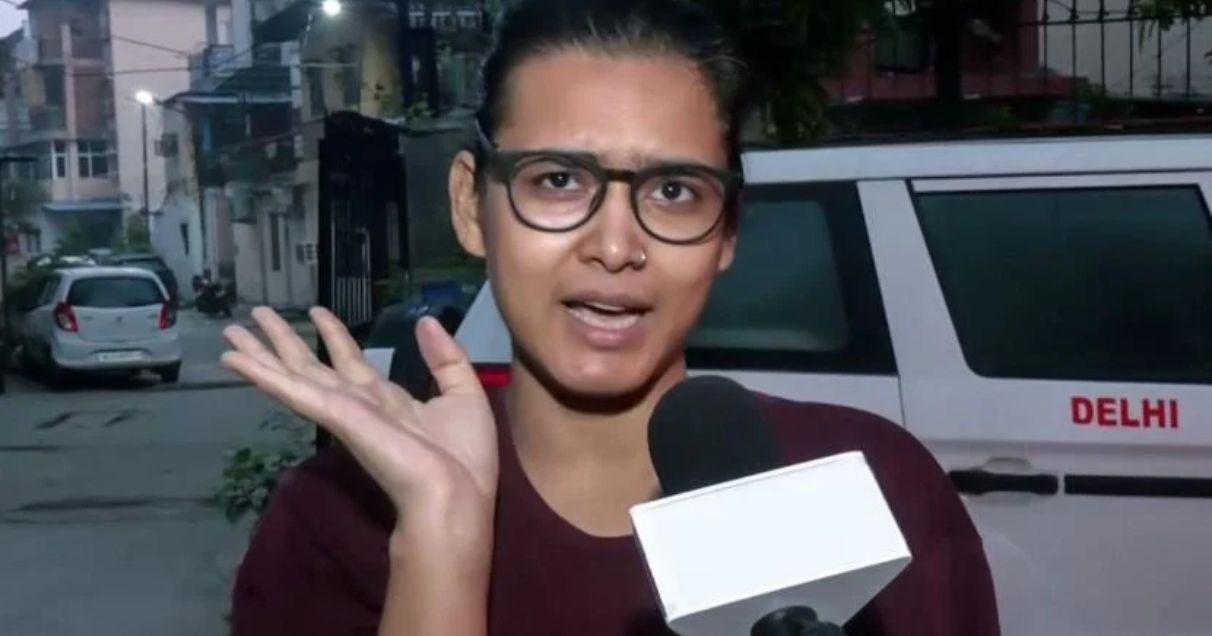
The Delhi High Court reserved its order on AISA president Neha Bora’s challenge to a Rs 10,000 pea
Read More
Bench Sets Aside Attachment Of Pune And Nagpur Properties, Says Transactions Were Lawful And Finds N
Read More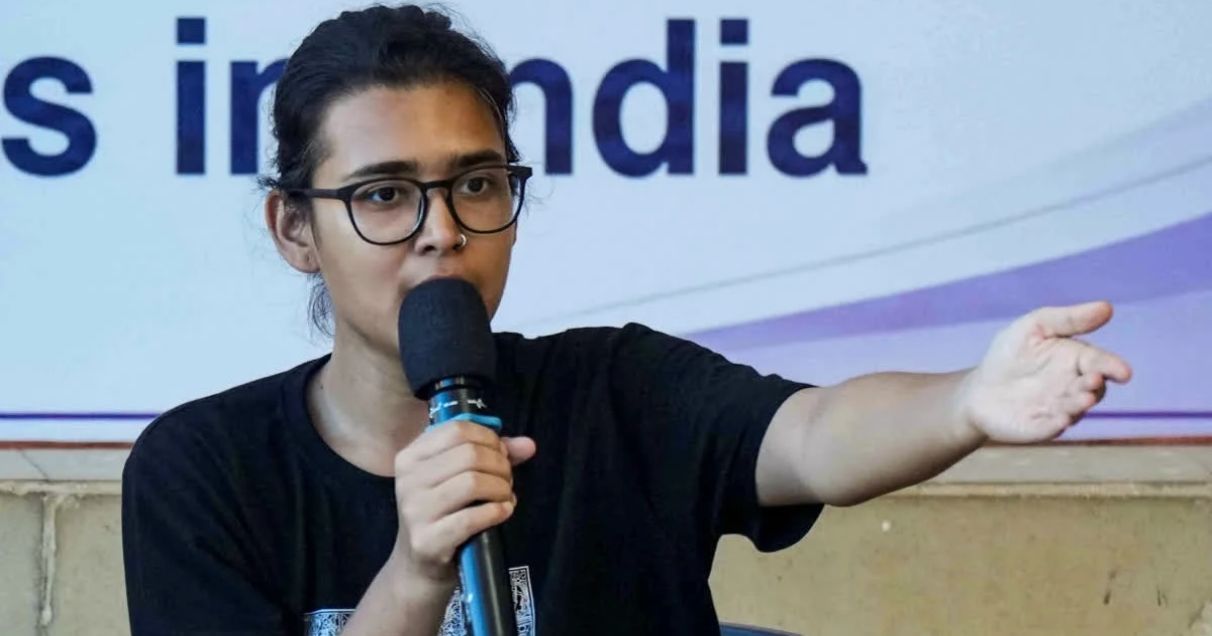
AISA president Neha Bora has moved the Delhi High Court against a police notice requiring her to fur
Read More