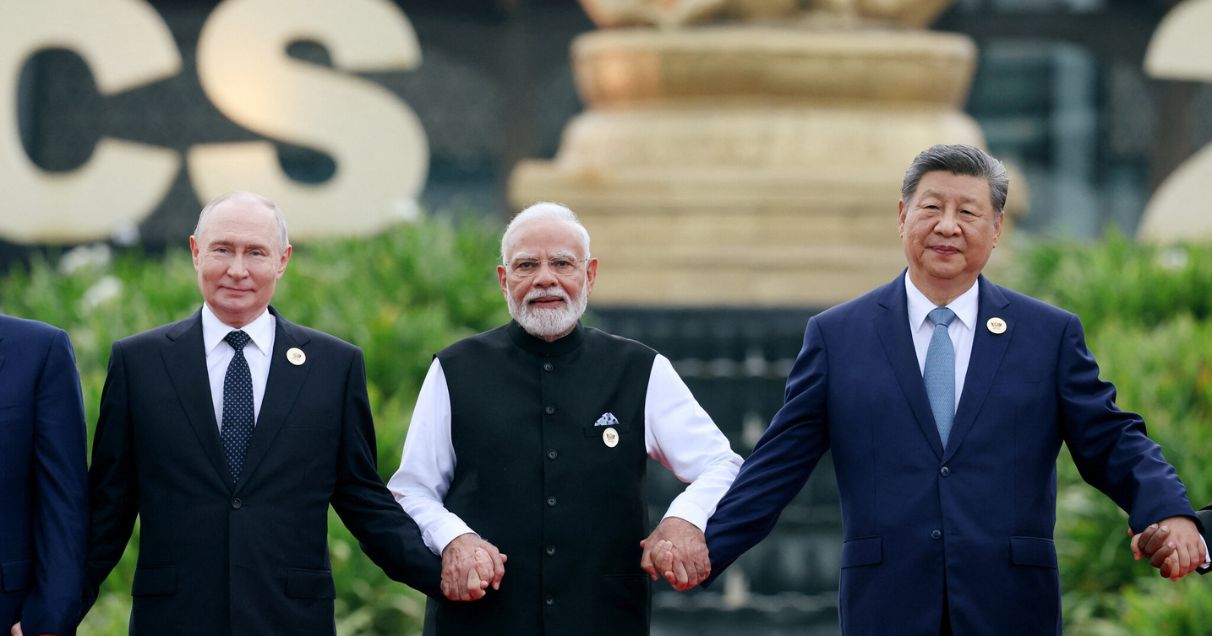
Russia has said Prime Minister Narendra Modi and Chinese President Xi Jinping expressed a willingness to help facilitate negotiations aimed at ending the war in Ukraine during their meetings on the sidelines of the BRICS Summit.
Kremlin spokesperson Dmitry Peskov said Russian President Vladimir Putin welcomed the offer from the two leaders. The development comes at a time when diplomatic efforts led by US President Donald Trump to bring Moscow and Kyiv back to meaningful negotiations have so far failed to produce a breakthrough.
The comments came amid a high-profile display of bonhomie between Modi, Xi and Putin at the BRICS gathering in New Delhi. Images of the three leaders smiling and holding hands on the opening day of the summit drew attention, particularly against the backdrop of tensions between India and China and the wider geopolitical divisions surrounding the Ukraine conflict.
India emerges as potential diplomatic bridge
India's potential role in efforts to end the Ukraine war has gained renewed attention because New Delhi maintains working relationships with both Moscow and Kyiv.
India has repeatedly called for dialogue and diplomacy to resolve the conflict since Russia launched its invasion of Ukraine in February 2022. While New Delhi has maintained close strategic and energy ties with Moscow, it has also remained engaged with Ukraine and Western countries.
During a bilateral meeting with Putin on the sidelines of the SCO Summit in Bishkek last month, Modi urged the Russian president to move beyond what he described as an "endless war" and work towards ending the conflict.
Modi had previously made a similar appeal at the 2022 SCO Summit, when he told Putin that the current period was "not an era of war".
During another meeting on Friday, Modi again emphasised the importance of dialogue and diplomacy in resolving conflicts and said India was prepared to contribute to peace efforts.
The Kremlin has previously acknowledged India's position on Ukraine, saying New Delhi's approach broadly aligns with Moscow's stated preference for a negotiated settlement.
US-led peace efforts yet to deliver breakthrough
The latest Russian comments come as Washington continues to search for a way to restart stalled negotiations between Russia and Ukraine.
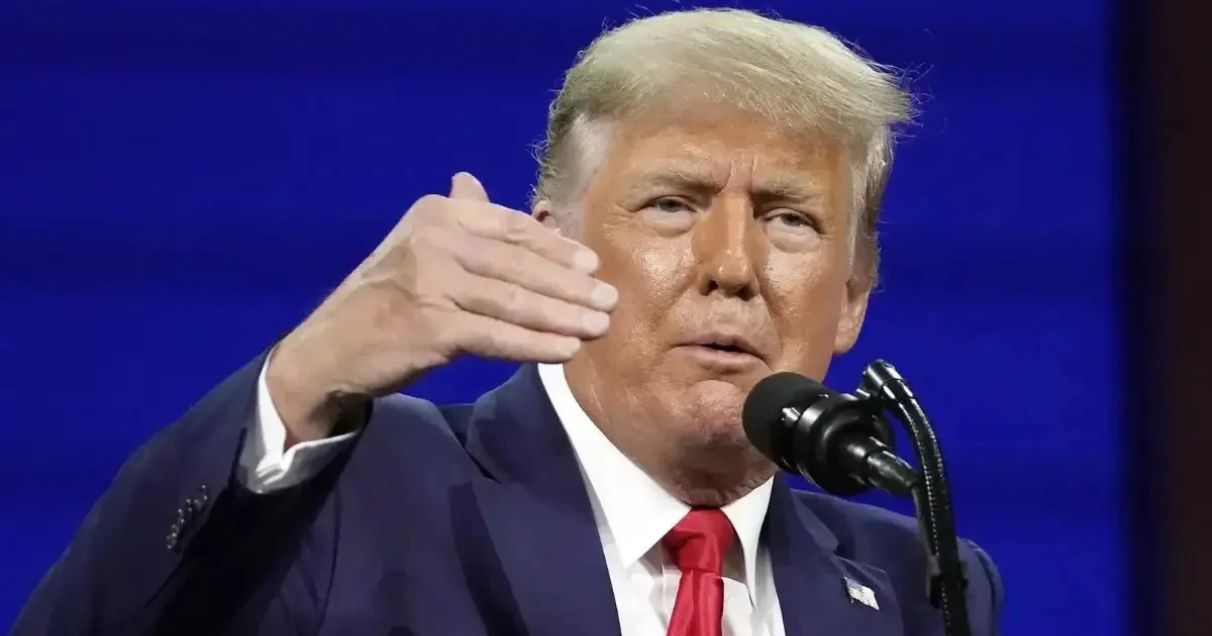
Trump recently spoke with Putin by phone and pressed for an end to the fighting, arguing that a resolution could also help restore US-Russia relations.
The call followed meetings in Moscow and Kyiv involving US envoys Steve Witkoff and Jared Kushner. The diplomatic push, however, failed to result in a concrete agreement to end the conflict, which has continued for nearly five years.
Against this backdrop, India's ability to maintain communication with multiple sides has made New Delhi a potential channel for diplomatic engagement.
India's close relationship with Russia is also significant because Moscow remains a major source of energy for New Delhi, including discounted oil supplies.
Russia's parliamentary elections add to timing
The Kremlin's comments also come shortly before Russia's parliamentary elections, scheduled for September 18-20. The election will be the first parliamentary poll in Russia since the Ukraine conflict began.
President Putin's United Russia party is widely expected to maintain its dominant position in Parliament.
The timing adds another layer to the broader diplomatic environment surrounding the Ukraine conflict, even as Moscow continues to signal that it remains open to a negotiated settlement under conditions it considers acceptable.
Putin-Zelenskyy meeting could take place at G20
Meanwhile, the possibility of a direct meeting between Putin and Ukrainian President Volodymyr Zelenskyy has resurfaced.
Zelenskyy has indicated that he would be prepared to travel to Miami for the G20 Summit in December if Putin also attends, potentially creating an opportunity for the first face-to-face meeting between the two leaders since the war began.
Whether such a meeting materialises remains uncertain, but the prospect has added another potential venue for high-level diplomatic engagement as international efforts to end the conflict continue.