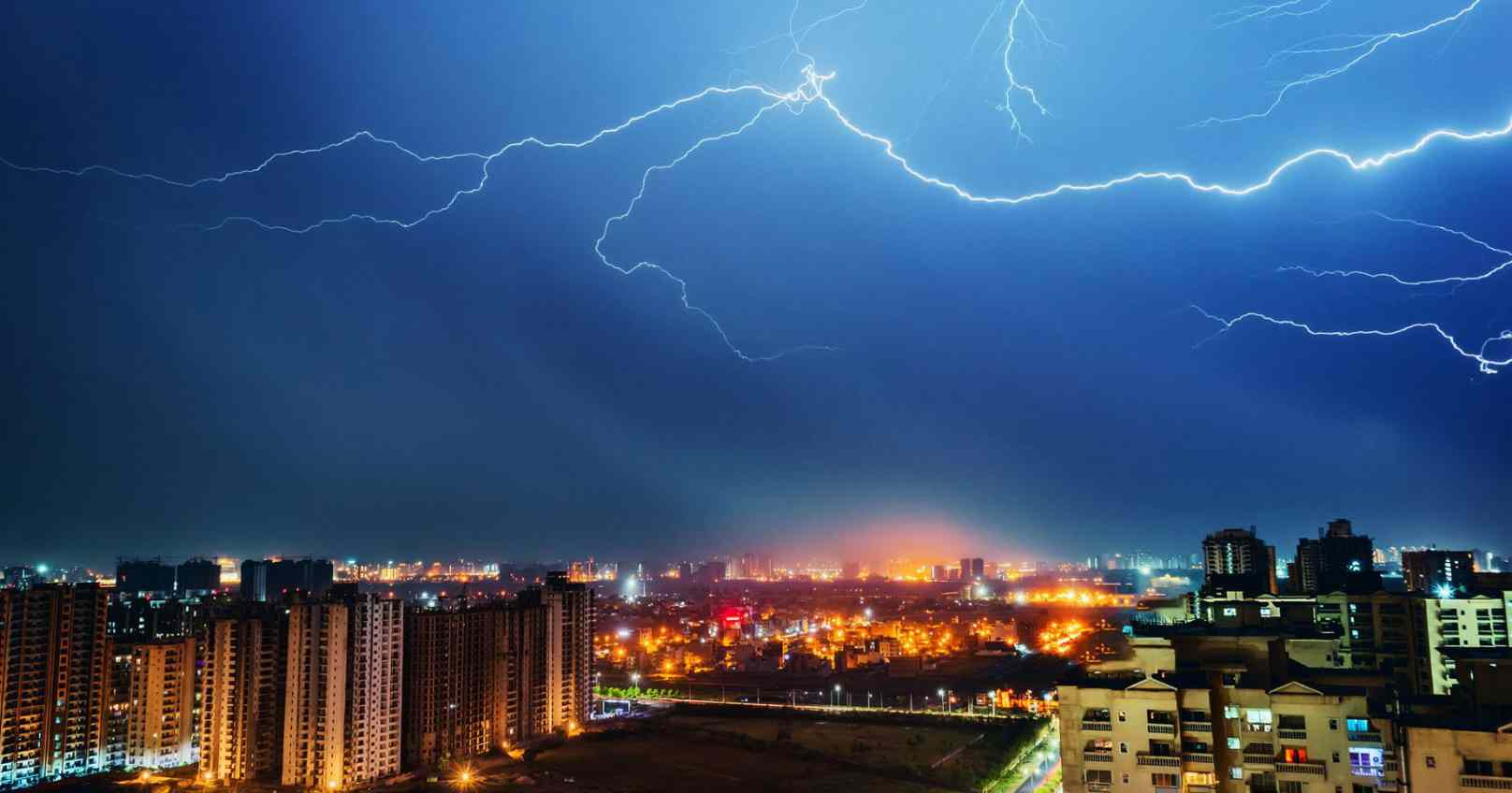
Residents across Delhi-NCR and parts of Haryana are being advised to stay prepared as a powerful weather disturbance is expected to generate severe thunderstorms, intense rainfall and lightning activity during the night.
The sudden change comes after days of intense summer heat, with weather conditions rapidly becoming favourable for storm development across large parts of North India.
What Is Driving the Sudden Weather Change?
Meteorologists have attributed the developing weather event to an active Western Disturbance, a weather system that originates far from India and carries significant moisture as it moves eastward.
These systems are commonly associated with winter rainfall and snowfall over northern regions of the country. However, their interaction with the extreme heat of late May can sometimes create highly unstable atmospheric conditions capable of producing powerful storms.
Will Temperatures Drop Significantly?
Although the approaching rain and strong winds are expected to provide substantial relief from the ongoing heatwave, experts do not anticipate winter-like conditions.
The cooler air associated with the disturbance will temporarily lower temperatures, but the accumulated summer heat near the surface will prevent any prolonged cold spell. Instead, the contrast between hot ground temperatures and cooler upper-air conditions is expected to intensify thunderstorm activity.
Why Are Forecasters Concerned?
Weather experts have identified a well-defined cyclonic circulation over parts of North India, including regions around Punjab and Uttarakhand. This rotating weather feature is contributing to widespread atmospheric instability.
The system is also being supported by a strong jet stream located high in the atmosphere. Such high-speed air currents can strengthen storm systems and help them expand over large geographical areas.
As a result, thunderstorm activity is expected to extend across several states, placing Delhi-NCR among the regions most likely to experience severe weather conditions.
What Can Residents Expect Tonight?
As the cooler air aloft interacts with the intense heat trapped near the ground, conditions are becoming highly favourable for the rapid development of thunderstorms.
Residents may experience sudden downpours, strong gusty winds, frequent lightning and reduced visibility in some areas. Localised disruptions to traffic, transport services and power supply are also possible if storms intensify.
Authorities are advising people to remain cautious during the evening and overnight hours, as weather conditions can change rapidly and storms may develop with limited warning.
While the rainfall is expected to bring welcome relief from the scorching temperatures, experts stress that the combination of lightning, strong winds and heavy rain makes the situation potentially hazardous in some locations.