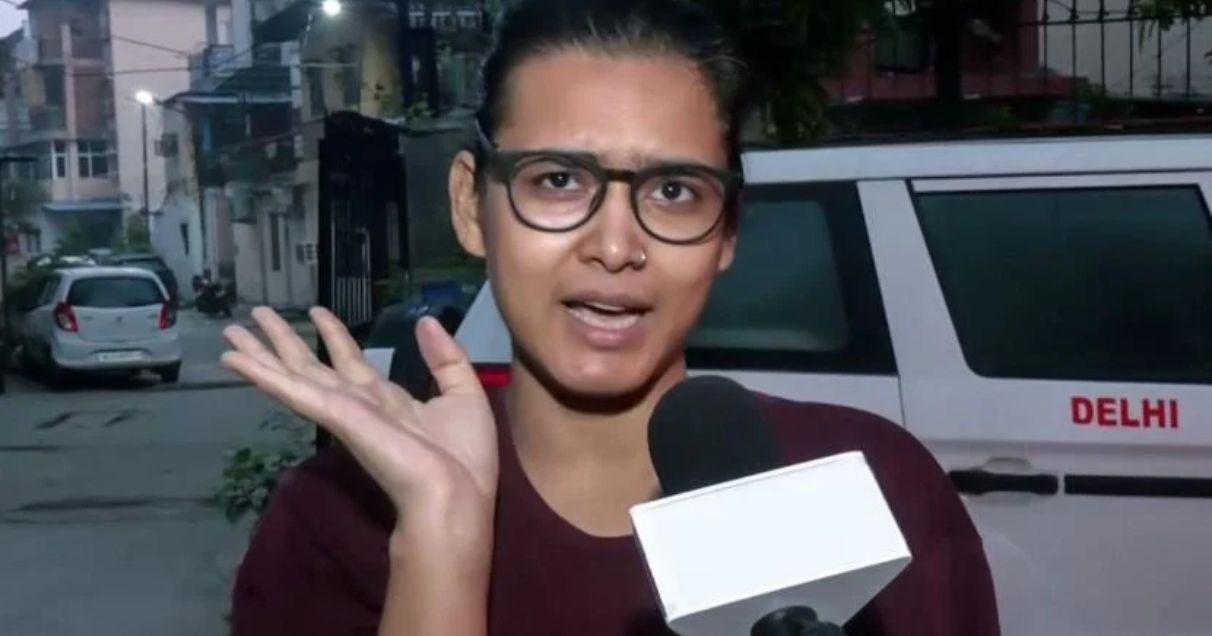
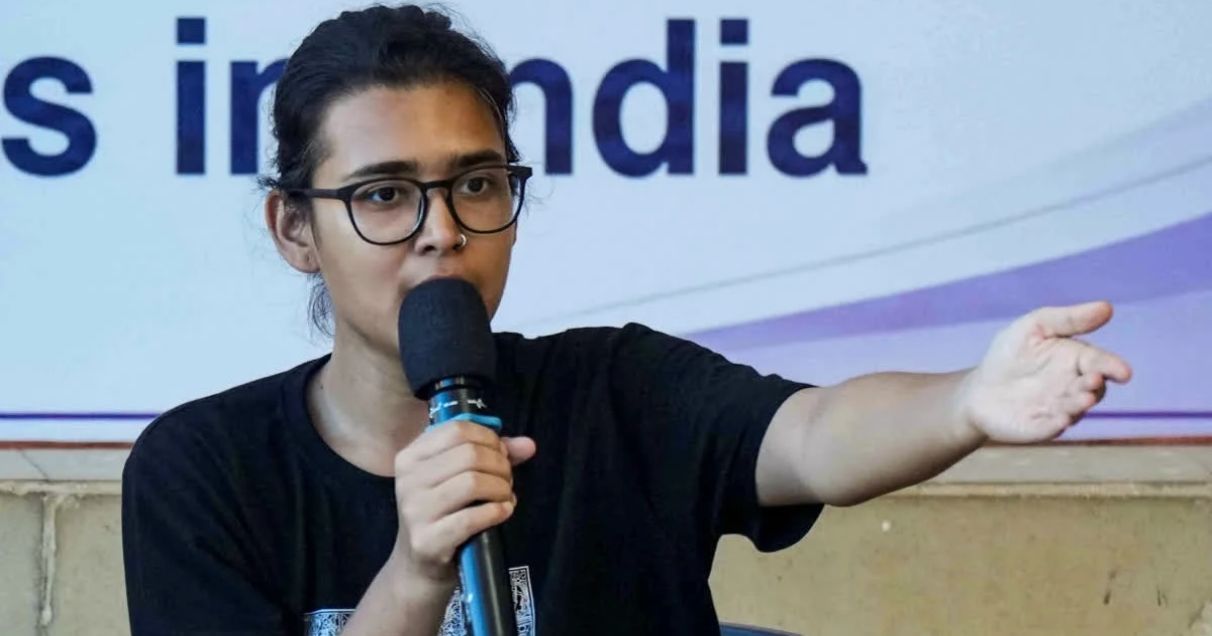
The Supreme Court on Friday permitted Indian wrestler Vinesh Phogat to take part in the Asian Games selection trials after declining to pause a Delhi High Court ruling that had granted her entry into the competition.
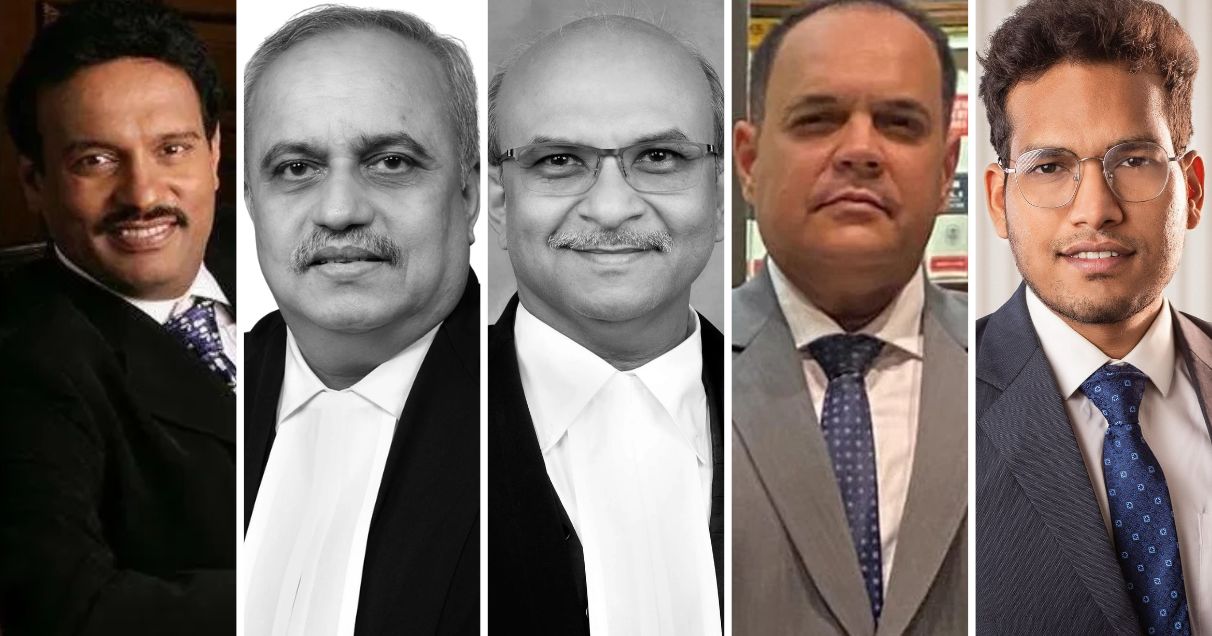
A bench comprising Justices P S Narasimha and Alok Aradhe heard a petition filed by the Wrestling Federation of India (WFI), which had challenged the High Court’s earlier decision. Since the trials are scheduled to begin on May 30, the apex court chose not to interfere at the final stage, effectively allowing Phogat to compete.
During the proceedings, however, the judges clarified that their decision should not be interpreted as approval of the High Court’s reasoning. The bench repeatedly questioned several remarks made in the earlier judgment, particularly observations connected to gender discrimination and motherhood.
The court also disagreed with the argument that WFI’s selection policy was unfairly “exclusionary,” noting that the eligibility rules were uniformly applicable to all wrestlers.
At multiple points in the hearing, the bench stressed the importance of prioritising national representation and maintaining strict compliance standards for athletes seeking to represent India internationally.
Despite its concerns, the Supreme Court acknowledged Phogat’s stature in Indian wrestling, referring to her as an accomplished athlete with achievements at the Olympic and world championship levels.
The hearing additionally focused on anti-doping issues linked to Phogat’s case. The court referred to records suggesting missed dope tests and lapses in whereabouts filings, observing that such matters carry serious implications under international anti-doping regulations.
Judges also questioned whether Phogat had met the participation requirements laid down by the federation, including involvement in designated qualifying events ahead of the trials.
The dispute began after WFI introduced revised selection guidelines that restricted eligibility to wrestlers fulfilling specific tournament participation conditions. Phogat challenged the policy after being ruled ineligible following her return from maternity leave.
Her legal representatives argued that the revised rules placed her at a disadvantage while attempting to restart her wrestling career after childbirth.