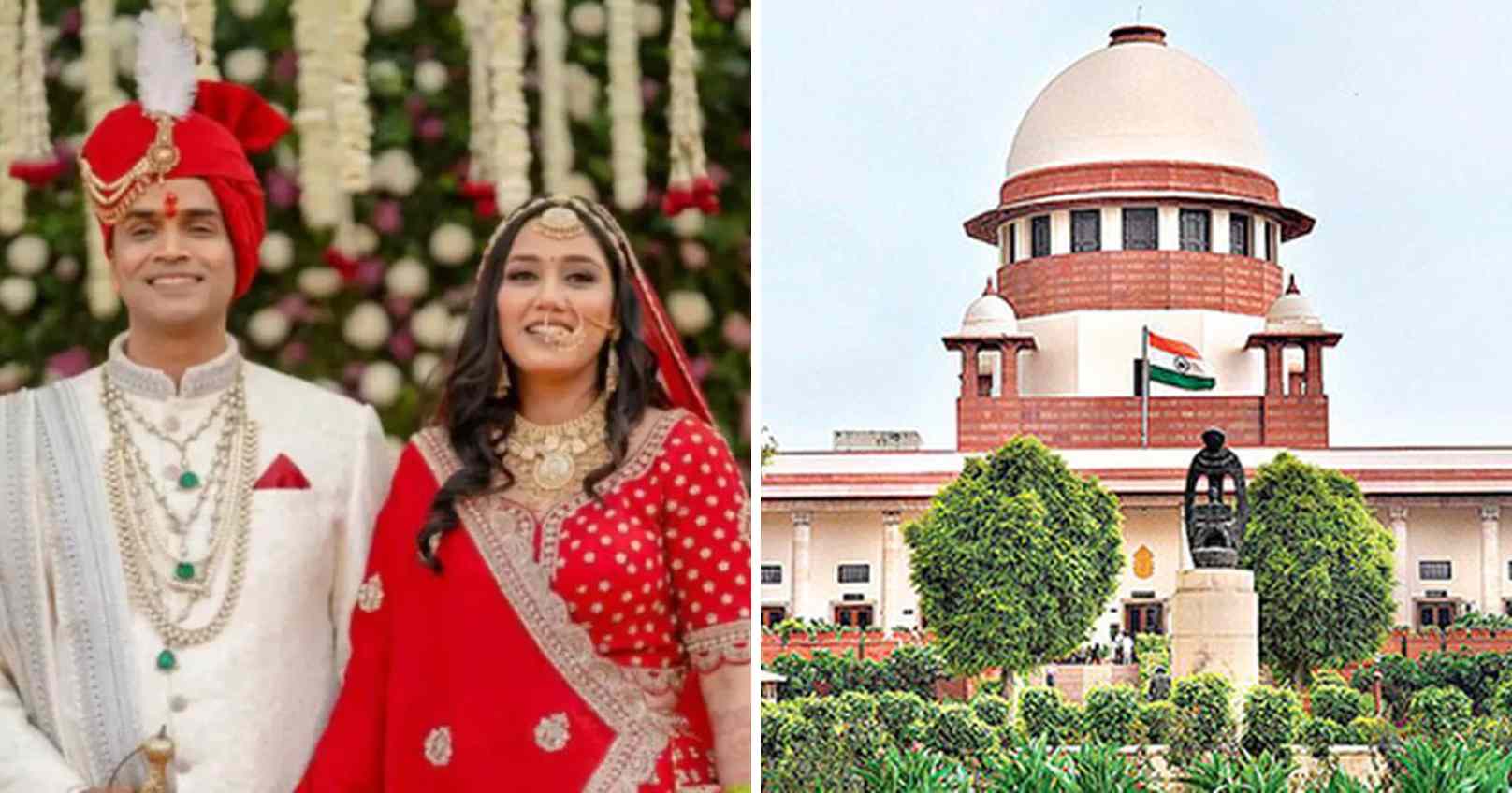
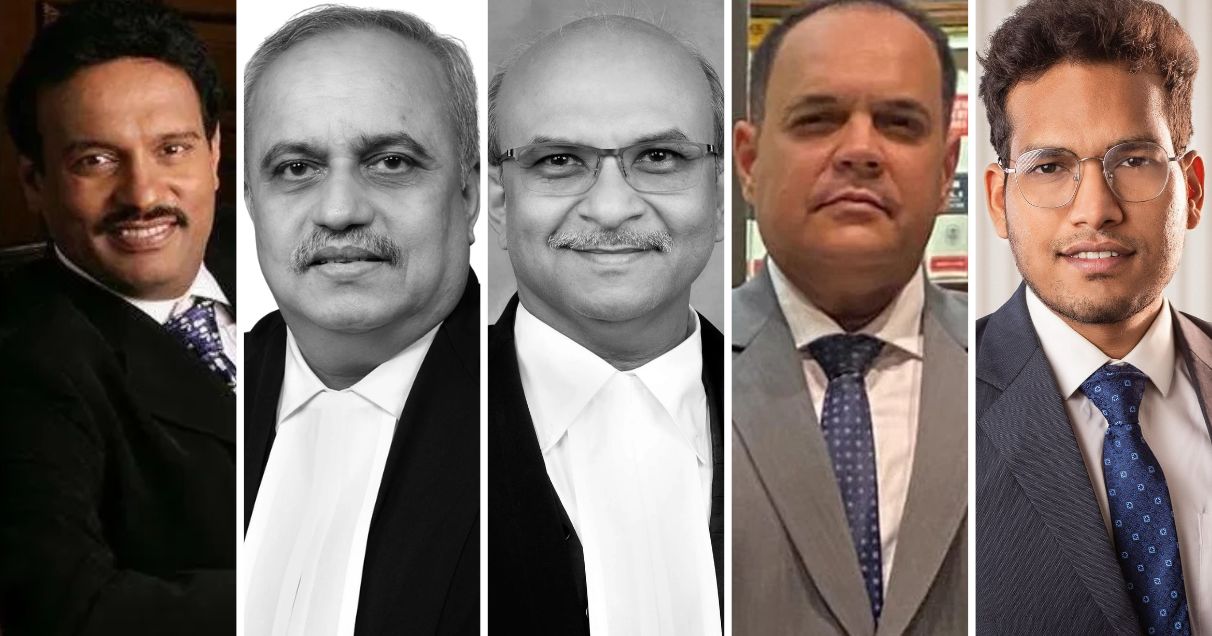
The Supreme Court on Monday emphasised the importance of a transparent and impartial investigation into the death of former actor-model Twisha Sharma, while supporting the Madhya Pradesh government’s recommendation to hand the case over to the Central Bureau of Investigation (CBI).
A three-judge bench headed by Chief Justice of India Surya Kant observed that, considering the controversy and public scrutiny surrounding the matter, an independent agency should handle the investigation to maintain confidence in the process.
During the hearing, the court referred to media reports that had raised concerns regarding possible institutional influence in the case due to the professional background of the accused family. The bench noted that Twisha Sharma’s husband is a practising lawyer, while her mother-in-law previously served as a district judge, leading to allegations that the probe may not appear fully neutral in the eyes of the public.
The court clarified that it had no doubts about the competence of state investigative agencies but stated that perceptions surrounding the case had created a situation where an external agency could ensure greater public trust.
The judges also urged both the media and the families involved to avoid public statements that could affect the ongoing investigation. The bench stressed that evidence and claims should be presented before investigating authorities rather than debated publicly.
Twisha Sharma, aged 33, was found dead at her marital residence in Bhopal on May 12. Her family has accused her husband and in-laws of dowry harassment and abetment to suicide. The accused family, however, has claimed that she was facing personal struggles, including alleged substance-related issues.
The case drew national attention due to the legal and judicial background of the accused family and allegations that the investigation lacked transparency. The Supreme Court took suo motu cognisance of the matter after questions were raised about the fairness of the initial inquiry and post-mortem process.
The bench also acknowledged the Madhya Pradesh government’s decision to recommend a CBI investigation, calling it a positive step toward ensuring credibility in the probe.
Meanwhile, the High Court had earlier ordered a second post-mortem examination after Twisha’s family expressed dissatisfaction with the first autopsy conducted in Bhopal. Her relatives alleged that certain injuries and forensic aspects were not properly examined during the initial procedure.
The Sharma family had additionally approached medical experts seeking an independent forensic review, claiming there were unanswered questions regarding injuries found on her body and the manner of investigation.
Solicitor General Tushar Mehta, appearing during the proceedings, remarked that legal remedies and institutional support should always be available to women facing marital distress.
Twisha Sharma’s final rites were conducted in Bhopal after nearly two weeks of legal proceedings and public controversy surrounding the case.
The Supreme Court has currently refrained from issuing further directions, noting that the process of transferring the investigation to the CBI is already underway.