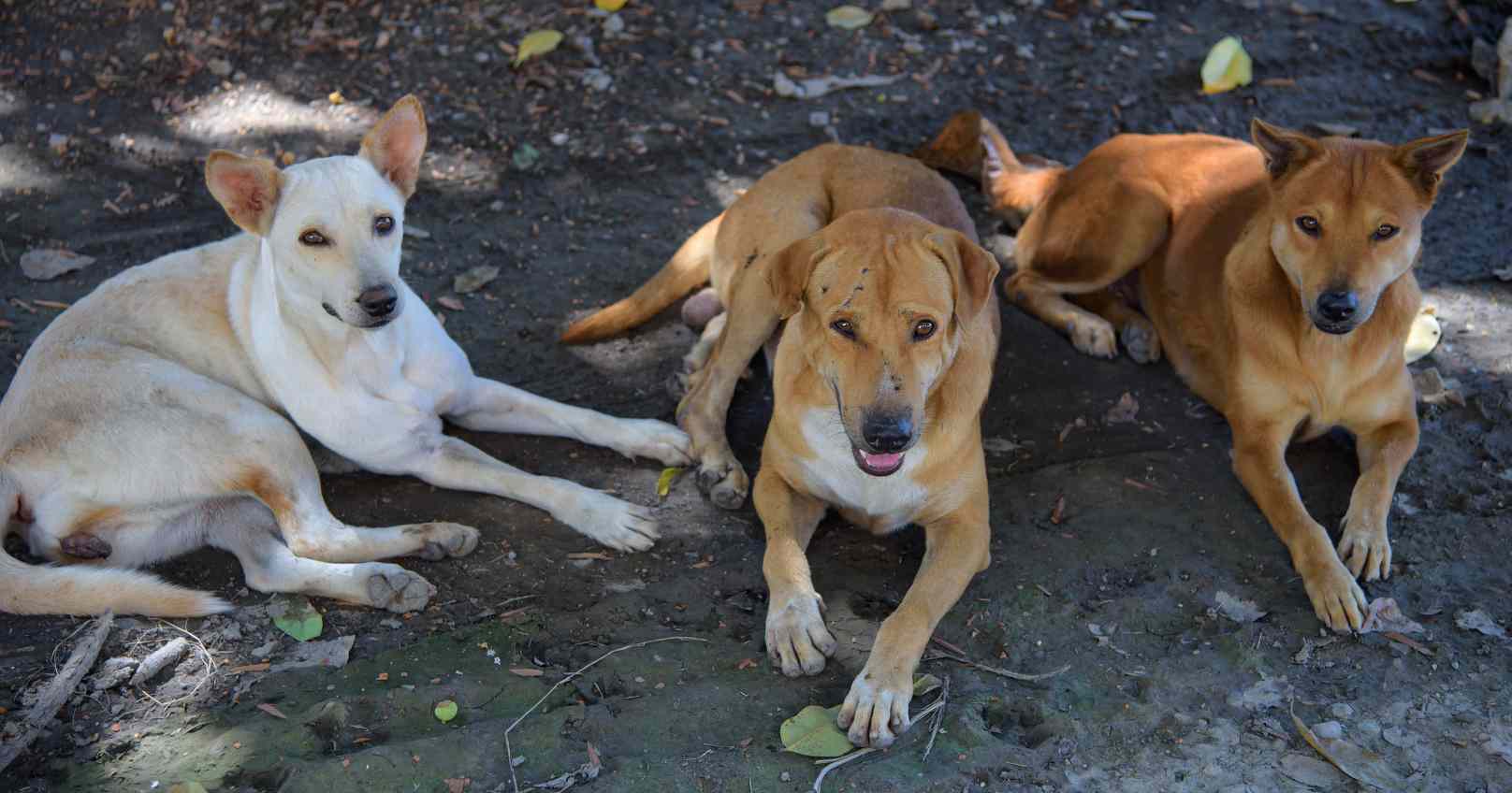
On May 19, 2026, the Supreme Court declined to alter its earlier ruling requiring all States and Union Territories to remove stray dogs from crowded public facilities such as schools, hospitals, bus terminals and railway stations. The court also clarified that even after sterilisation and vaccination, such animals cannot be returned to these institutional premises.
A three-judge Bench comprising Justices Vikram Nath, Sandeep Mehta and N.V. Anjaria stated that a balanced interpretation of the Animal Birth Control (ABC) Rules, 2023, along with the Prevention of Cruelty to Animals Act, 1960, does not grant stray dogs an unconditional right to occupy every public space regardless of its purpose.
The Bench underlined that the constitutional guarantee of dignity under Article 21 includes citizens’ right to move freely without fear of attacks or dog-bite incidents in public areas. It observed that authorities cannot remain inactive when preventable threats to human life persist despite existing legal frameworks.
District-Level ABC Centres Mandated
Noting inadequate implementation of sterilisation programmes over the past two decades, the court directed every State and Union Territory to establish at least one fully equipped Animal Birth Control centre in each district. These centres must have sufficient veterinary staff, surgical facilities and infrastructure to carry out mass sterilisation and vaccination drives. States have been instructed to expand such facilities further depending on local population density and geographical spread.
The court also ordered that government hospitals ensure adequate stocks of anti-rabies vaccines and immunoglobulin and develop effective systems to respond promptly to dog-bite cases.
Euthanasia Permitted in Specific Cases
While acknowledging animal welfare concerns, the Bench stated that when human safety conflicts with animal welfare, constitutional priorities must favour protection of human life. Municipal authorities were permitted to adopt lawful measures, including euthanasia, in cases involving rabid, terminally ill or demonstrably aggressive dogs, subject to veterinary assessment.
Liability for Animal Welfare Groups
The court further ruled that organisations or student groups feeding or caring for stray dogs within educational campuses must file affidavits accepting legal liability for any harm caused. Without such undertakings, feeding activities will not be allowed inside institutional premises. Non-compliance could lead to action against institutional heads.
Rising Dog-Bite Cases Cited
The Bench referred to media reports highlighting a surge in dog-bite incidents across the country. It noted thousands of cases reported in cities such as Udaipur and Bhilwara, and over 2.6 lakh incidents in Tamil Nadu during the first four months of 2026, including reported fatalities. The issue has also reached major public infrastructure sites, with dog-bite cases reported at Delhi’s international airport this year.
Municipal officials implementing the court’s directions in good faith have been granted legal protection. High Courts have been authorised to dismiss frivolous or malicious cases filed against such officials.
Monitoring by High Courts
Acknowledging the administrative burden of direct supervision, the Supreme Court directed all High Courts to initiate suo motu proceedings to monitor compliance with its August and November 2025 orders. Chief Secretaries of all States and Union Territories must submit status reports to their respective High Courts by August 7, 2026. Consolidated compliance reports will be placed before the apex court every four months, with the next hearing scheduled for November 17.
The proceedings were originally initiated amid growing public concern over rising dog-bite incidents, including the death of a young child last year.