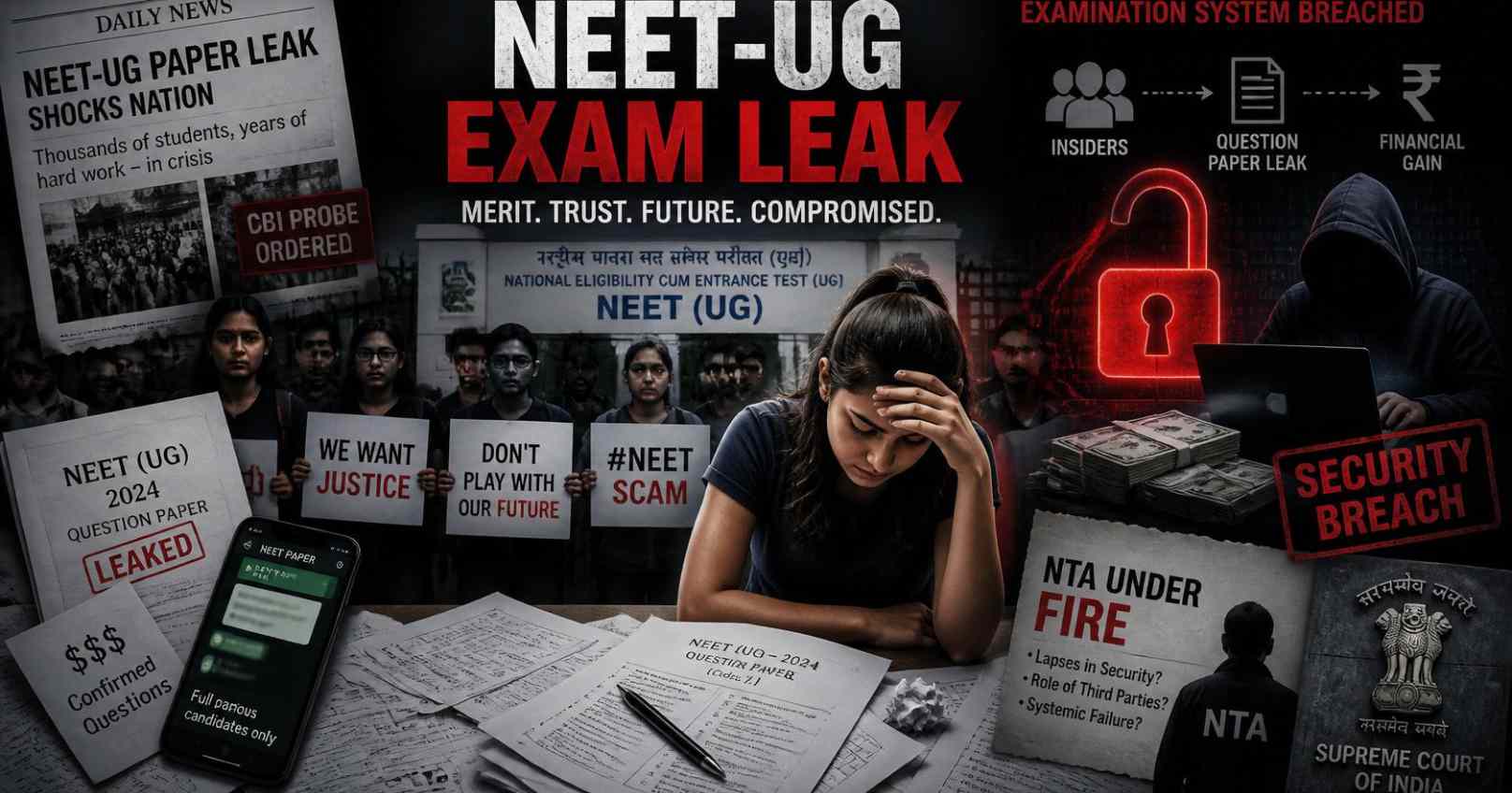
The Supreme Court on Friday strongly questioned the National Testing Agency (NTA) over the NEET-UG paper leak controversy, asking how such a major lapse could occur despite multiple monitoring mechanisms and committees being in place.
During the hearing, the bench compared the situation with the UPSC examination system, noting that such controversies had not surfaced in the country’s civil services exams. The judges indicated that India’s premier recruitment body may offer important lessons in maintaining examination integrity and security.
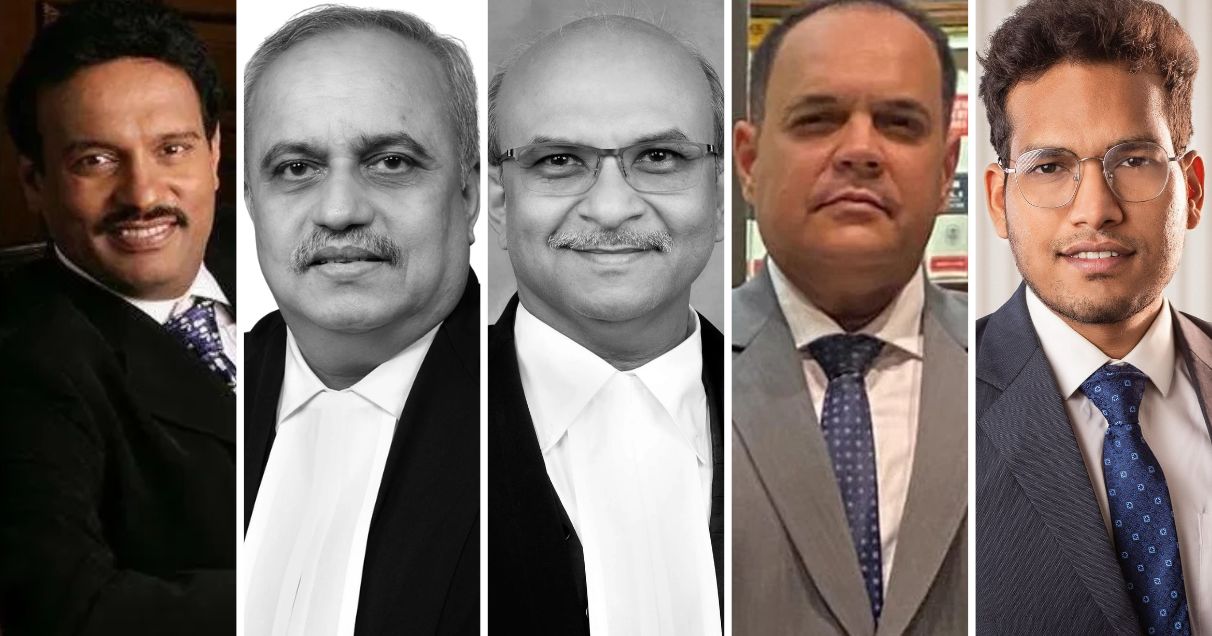
Solicitor General Tushar Mehta represented the NTA and the High-Level Committee headed by former ISRO chairman Dr K Radhakrishnan. The court accepted affidavits submitted by both parties and granted the Centre more time to file a detailed response.
A key focus of the hearing was the implementation of reforms suggested by the High-Level Committee. Justice P S Narasimha questioned Dr Radhakrishnan about the effectiveness of monitoring after the committee’s recommendations had been submitted and whether sufficient oversight existed to prevent such a breach.
The bench also asked what gaps in the system had allowed the paper leak to happen despite earlier safeguards.
Responding to the court, Dr Radhakrishnan stated that the committee had proposed 101 recommendations to improve examination security and administration. He explained that 60 of these were immediate measures intended for implementation during the 2025-26 examination cycle.
According to him, most recommendations have already been implemented while the remaining changes are currently underway. He also claimed that the NTA has undergone major strengthening in recent months.
When directly asked how the leak took place, Dr Radhakrishnan pointed to weaknesses in the question paper preparation process. He told the court that the system for setting and handling papers was now being upgraded with tighter safeguards and more secure operational frameworks.
He further assured the bench that the vulnerabilities identified had been addressed and that extensive changes had significantly improved the examination process ahead of the upcoming re-test.
However, the Supreme Court made it clear that reforms alone would not solve the issue unless accountability was properly fixed within institutions.
The judges observed that repeated committees and discussions would have little meaning if responsibility for failures was never clearly identified. The court clarified that accountability did not necessarily mean blaming one person, but institutions must know where ultimate responsibility lies.
The bench warned that without a clear accountability structure, similar systemic failures would continue to occur.
During the proceedings, Solicitor General Tushar Mehta informed the court that investigations into the paper leak were still ongoing and that additional security measures were being introduced before the June 21 re-examination.
He also assured the court that the matter was being monitored at the highest levels of government and stated that the Prime Minister was personally overseeing developments related to the issue.
The Supreme Court repeatedly stressed the need for permanent institutional reforms instead of temporary crisis-based solutions. The judges said examination authorities must build long-term institutional memory, specialised expertise and durable security systems capable of ensuring safe examinations every year.
The court observed that ad hoc arrangements often create further complications and emphasised the need for a stable and reliable examination framework within the NTA.
The Union government has now been directed to submit a detailed affidavit explaining how examination systems will be managed securely and transparently in the future.
The Ministry of Education has specifically been asked to explain how accountability, expert deployment, institutional memory and long-term governance structures will be integrated into the examination system.
Dr Radhakrishnan also highlighted another major concern identified by the committee — the shortage of specialised experts within the examination ecosystem.
To strengthen the process, experts from IIT-JEE systems, Kendriya Vidyalaya institutions and other competitive examination bodies have now been involved in improving oversight and security arrangements.
The Supreme Court additionally suggested closer collaboration between the NTA and premier academic institutions to continuously identify and monitor possible risks.
As the case continues, the court’s focus appears to be shifting beyond immediate corrective measures toward broader structural reform of India’s examination system.
The judges also acknowledged the emotional and academic pressure faced by students and families, noting that years of effort and expectations are attached to high-stakes exams like NEET-UG.
The court stressed that restoring trust in the examination system would require strong institutional reforms, clear accountability and long-term commitment to transparency and security.