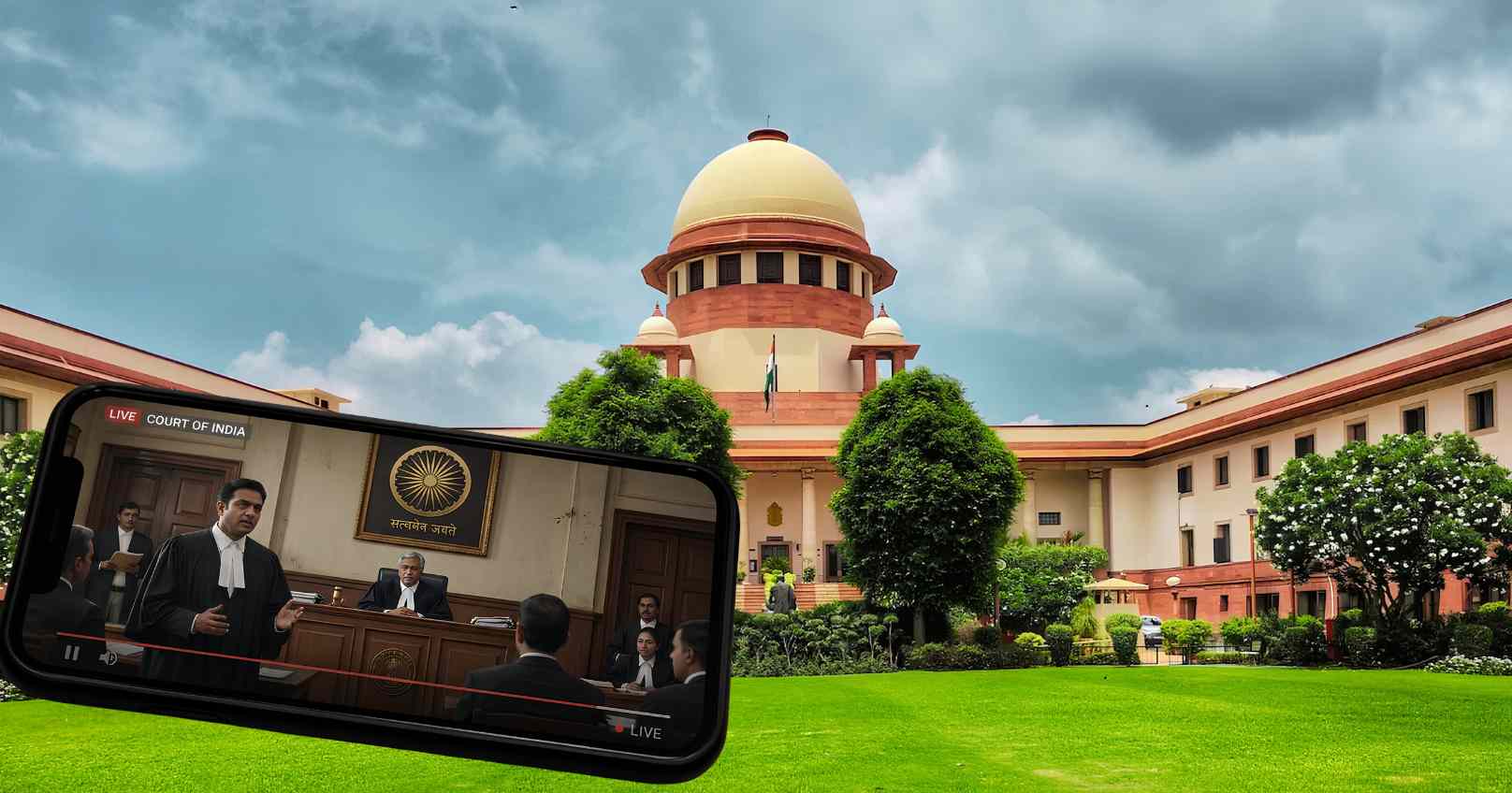
The Supreme Court on Friday imposed interim restrictions on the unauthorised use and circulation of recordings of court proceedings on social media and other digital platforms, warning that judicial hearings cannot be turned into a round-the-clock source of online entertainment.
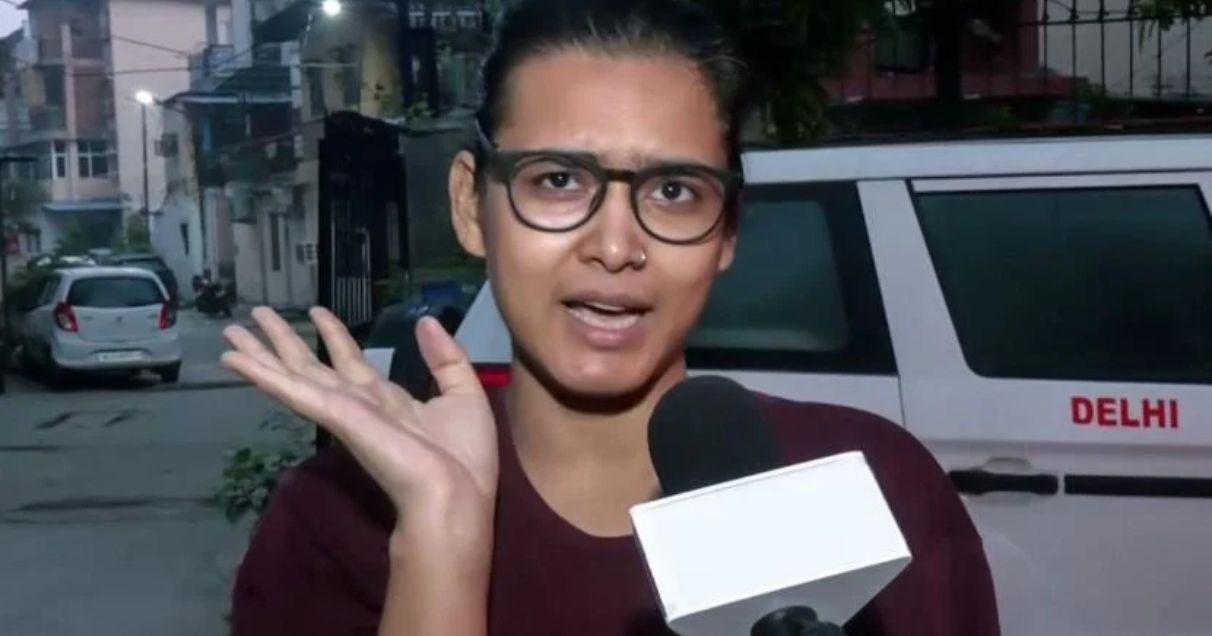
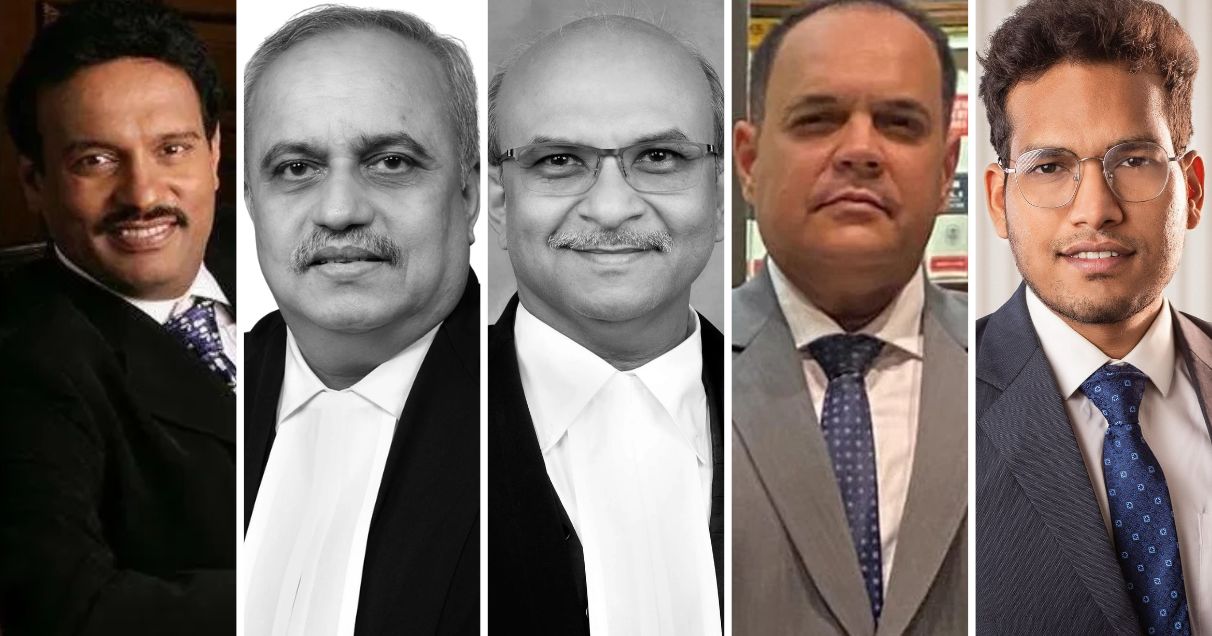
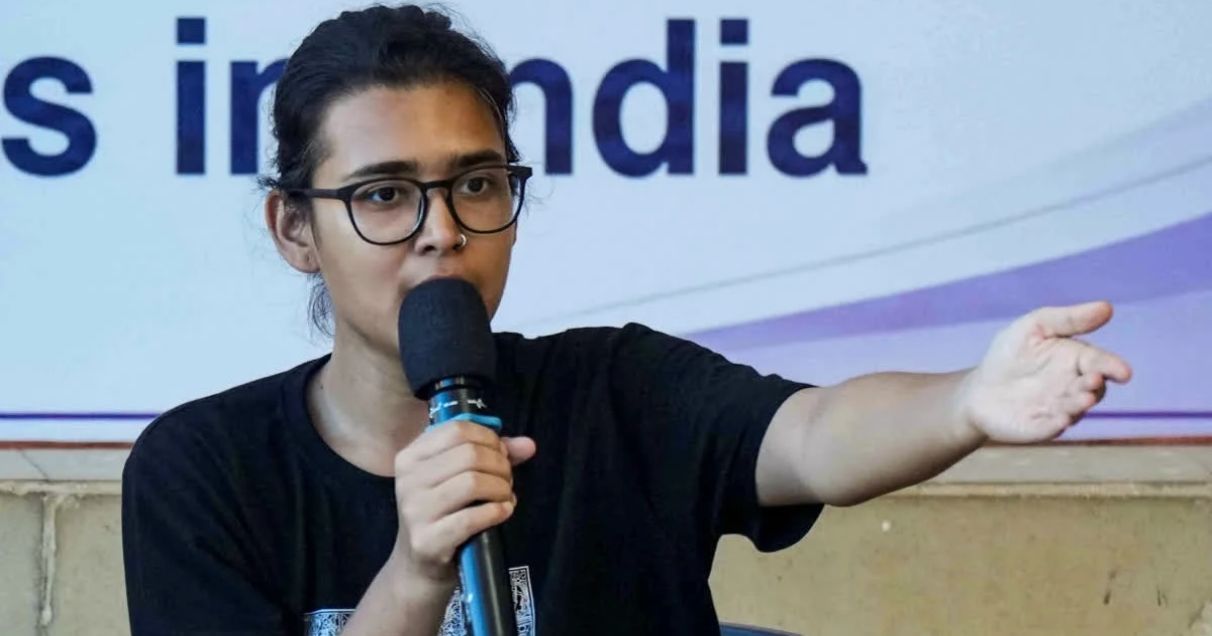
A Bench headed by Chief Justice of India Surya Kant, along with Justices Joymalya Bagchi and V Mohan, issued the direction while considering a public interest litigation filed by journalist Harshita Grover. The petition seeks a regulatory framework to govern the recording, editing, distribution and commercial use of audiovisual material from court hearings.
Under the interim arrangement, recordings of judicial proceedings cannot be extracted, altered, shared, reposted, uploaded or monetised on digital platforms without prior approval from the appropriate authority.
For proceedings of the Supreme Court, permission would have to be obtained from the Secretary General, while recordings relating to High Court proceedings would require approval from the respective Registrar General.
The court, however, clarified that the direction does not prevent legitimate and fair reporting of judicial proceedings by the news media.
The Bench issued notices on the petition and included all High Courts in the proceedings. It also asked the Union government to submit a proposal identifying the ministries or departments that could be responsible for implementing the measures sought by the petitioner.
High Courts have additionally been asked to provide information on whether they have adopted the Supreme Court's model guidelines governing livestreaming and recording of proceedings. They have also been asked to assess the consequences of continuous livestreaming.
Notices were also sent to major social media platforms, including Meta and X.
During the hearing, senior advocate Vikas Singh, representing the petitioner, made it clear that the challenge was not directed at livestreaming itself. Instead, the petition was concerned with the misuse of short clips that are selectively edited and presented without the context in which remarks were originally made.
Singh said he had no objection to livestreaming but argued that isolated portions of hearings can quickly spread online and create misleading impressions about what transpired in court. He referred to an instance in which a clipped exchange involving Justice Viswanathan allegedly went viral and, according to him, damaged public perception of the judiciary.
The petitioner's counsel also relied on the Supreme Court's existing Model Rules for Live-Streaming and Recording of Court Proceedings. These rules restrict unauthorised recording, reproduction, modification, sharing or republication of livestreamed hearings without the court's written permission.
Justice Joymalya Bagchi highlighted the wider difficulty of controlling digital information and suggested that unrestricted livestreaming should not become the default approach.
The judge expressed concern about virtual hearing links and courtroom material being circulated without adequate controls, observing that court proceedings should not become a constant entertainment stream for the public.
Solicitor General Tushar Mehta supported the request for interim safeguards and raised concerns about the potential misuse of artificial intelligence. He pointed out that modern AI tools can manipulate audiovisual material in ways that make it appear authentic, including altering spoken words while retaining a person's apparent lip movements and voice.
Mehta also warned that selectively edited courtroom footage could be used to manufacture misleading narratives around judges, lawyers and litigants.
The Chief Justice acknowledged the problem of distorted reporting, noting that he had personally encountered instances where statements attributed to him did not reflect what he had actually said.
The petition argues that livestreaming was introduced to advance transparency and strengthen the principle of open justice. However, it claims that the absence of adequate safeguards has enabled courtroom footage to be edited, repackaged with sensational captions and circulated for attention or financial gain.
Filed under Article 32 of the Constitution, the petition further contends that isolated observations made during hearings are frequently removed from their original context, potentially exposing judges, advocates and litigants to online trolling, reputational damage and inaccurate public narratives.
The plea seeks detailed rules governing the recording, editing, redistribution and commercial exploitation of audiovisual material from judicial proceedings, while maintaining the public's right to access courts and the media's ability to report proceedings fairly.
It also refers to instances in which judicial remarks have allegedly been misrepresented online and points to international approaches, including the copyright framework followed by the UK Supreme Court for audiovisual recordings.
The Supreme Court's interim directions will remain in force as the wider petition, which seeks a comprehensive framework for the digital use of courtroom recordings, is considered.