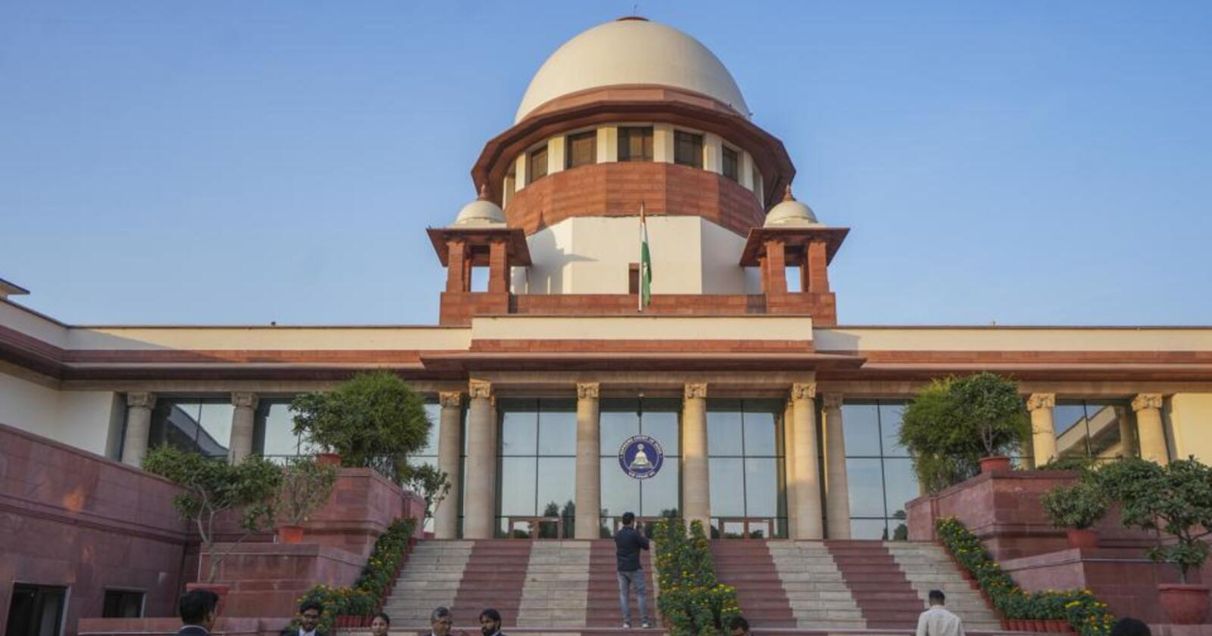
The Supreme Court has ordered a detailed examination of the violence surrounding last month’s student protests over the alleged NEET paper leak, including accusations of excessive police force and misconduct against demonstrators.
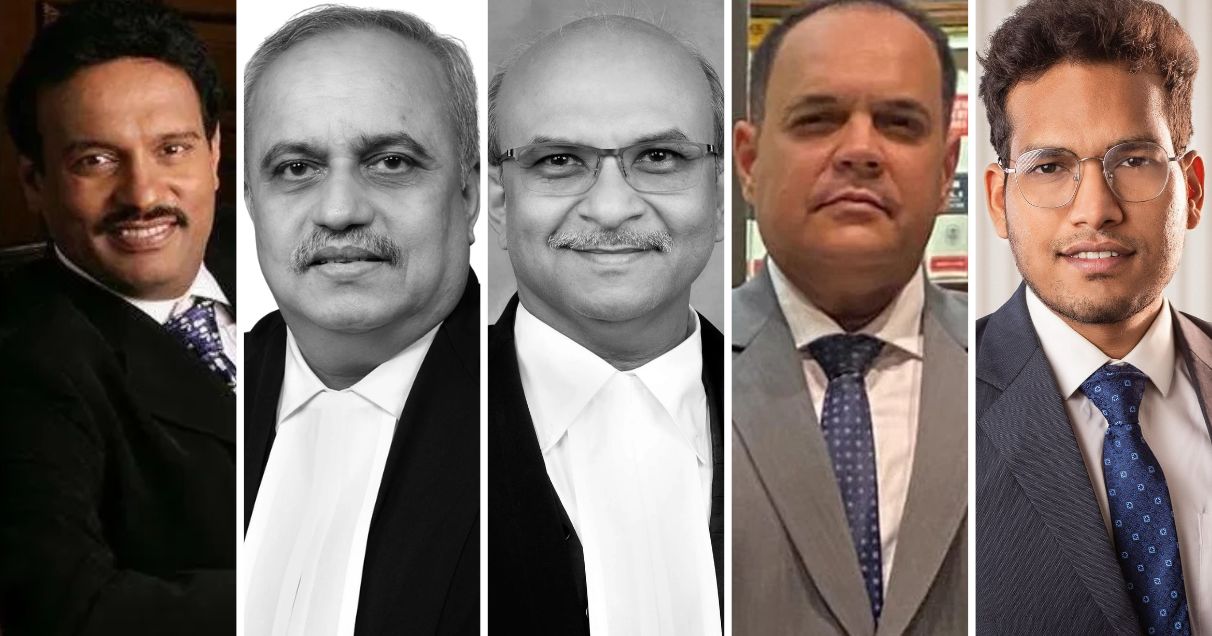
A five-member High-Powered Committee will be headed by former Supreme Court judge Justice R Subhash Reddy. Its mandate will cover not only alleged police excesses but also violence attributed to protesters, with the panel tasked with determining whether the authorities’ response complied with the law and whether the force used was justified and proportionate.
The committee includes former Punjab and Haryana High Court Chief Justice Ravi Shankar Jha, former Delhi High Court judge Justice Shalinder Kaur, former CBI Director Rishi Kumar Shukla and former Meghalaya DGP LR Bishnoi.
The court said the panel was selected considering the members’ judicial, administrative and investigative experience. It expects the committee’s findings to help it assess the circumstances surrounding the protests and decide whether further directions are necessary.
Panel to monitor situation beyond initial inquiry
The Supreme Court has specified that the committee’s role will extend beyond preparing a single report.
It will periodically review developments and submit interim reports to the court. This mechanism will allow the judges to examine emerging findings and, where necessary, intervene through additional orders or directions.
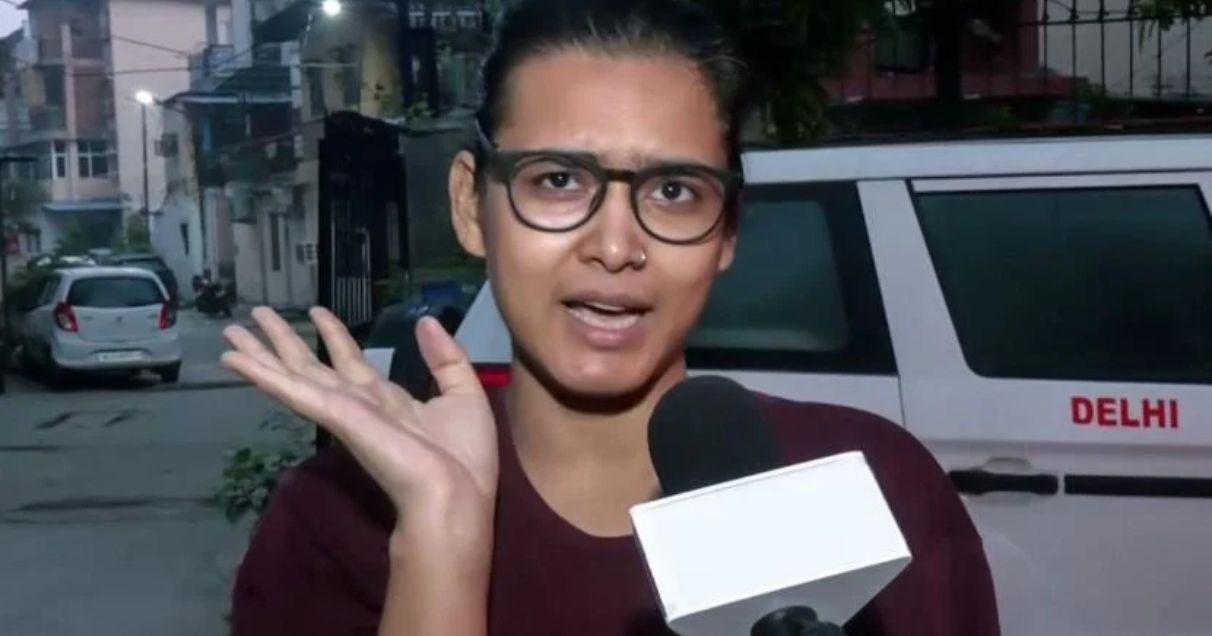
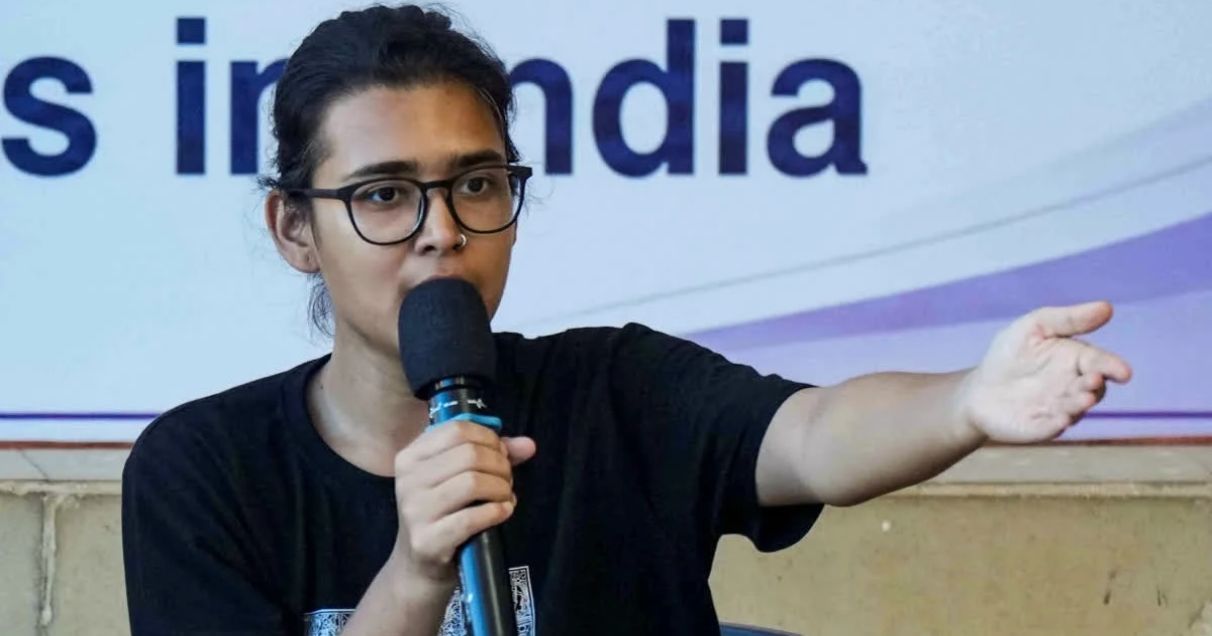
The inquiry comes after clashes during a July 20 “Sansad Chalo” demonstration in Delhi. The protest, organised by the Cockroach Janata Party (CJP), coincided with the opening day of Parliament’s Monsoon Session.
The demonstration reportedly escalated after protesters crossed police barricades. Authorities responded with measures including lathi charges and tear gas, while allegations have also been made regarding the use of pellet guns.
Multiple FIRs were subsequently filed at police stations in the Parliament Street and Connaught Place areas. Some demonstrators were booked under serious criminal charges, including attempted murder and offences relating to damage to public property.
What will the Supreme Court panel investigate?
The committee has been given a wide-ranging mandate covering both the conduct of protesters and the actions of police and security personnel.
One of its priorities will be allegations of targeted attacks, harassment and sexual misconduct involving women who participated in the demonstrations.
It will also examine claims that protesters suffered serious injuries during police action. The panel is expected to trace how decisions to deploy force were taken, identify officials involved and determine whether any statutory provisions, rules or established protocols were violated.
Focus on alleged excessive use of force
The use of different crowd-control measures will come under particular scrutiny.
The committee will assess allegations involving pellet guns, electric batons, baton charges and tear gas, including whether protesters were given sufficient warning and whether the response was appropriate to the circumstances.
It will also consider whether the use of metallic pellets or similar kinetic projectiles fired from pump-action or other projectile weapons should be prohibited during crowd-control operations.
Another question before the panel is whether officers involved in arrests or the use of force were appropriately identified through uniforms and clearly visible nameplates.
Privacy and surveillance also under scanner
The committee will examine the methods used by police to track and monitor protesters.
This includes assessing whether surveillance and intelligence-gathering activities were consistent with constitutional protections relating to privacy, peaceful protest and freedom of assembly.
The panel will also consider the possibility of providing interim compensation to people injured during the unrest. Its assessment will cover both protesters and members of the police or security forces.
The Supreme Court’s intervention therefore seeks to examine the entire chain of events—from the conduct of demonstrators and decisions taken by authorities to the methods used to control the crowds and the consequences for those injured.