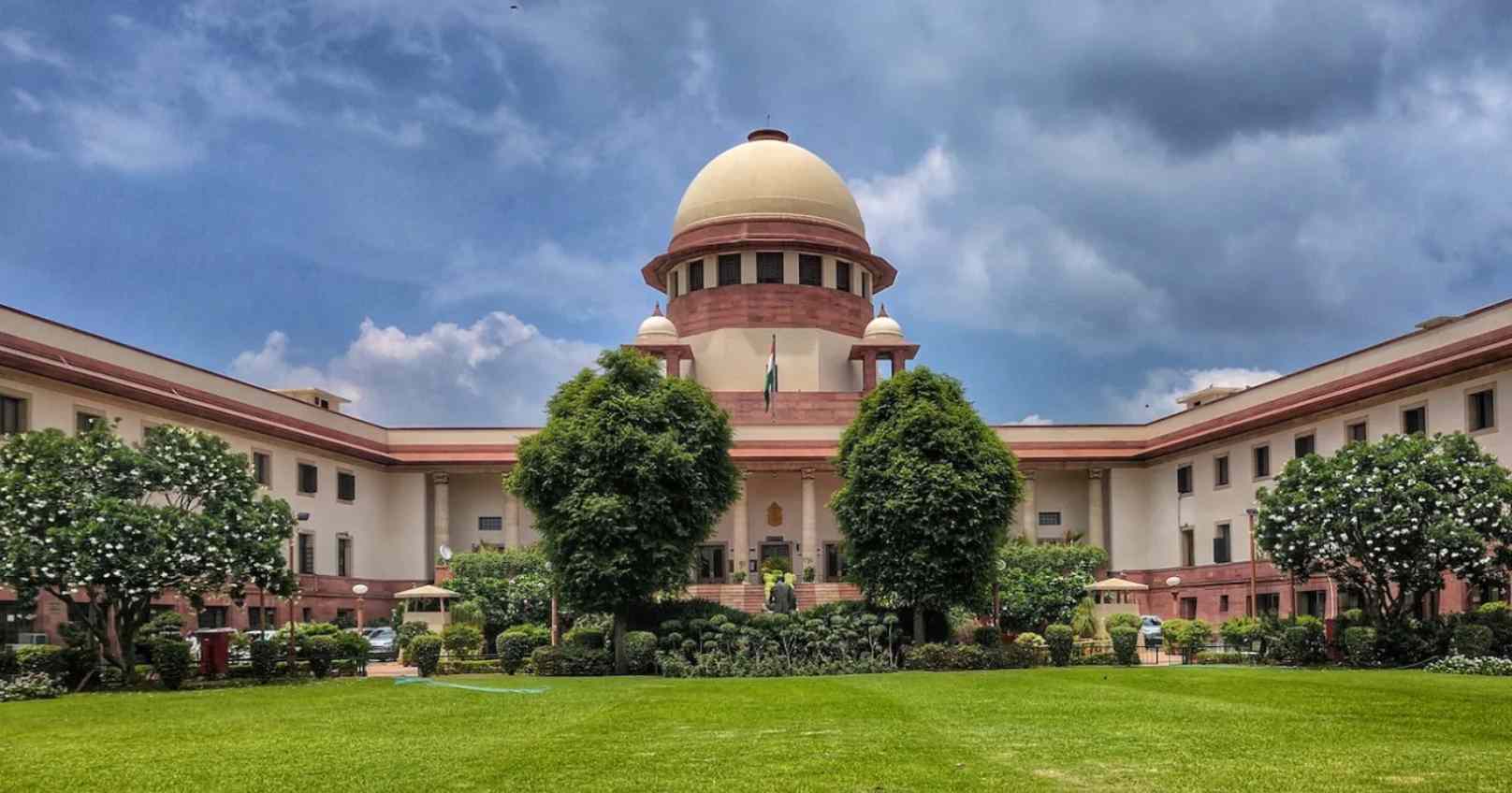
The Supreme Court on Monday underscored that decisions involving citizenship and foreigner status must be guided by fairness and due process, while hearing a batch of petitions filed by 27 individuals who had been declared foreigners by Foreigners Tribunals in Assam.
The court observed that issues relating to citizenship carry significant constitutional importance and cannot be decided in a manner that compromises judicial fairness. At the same time, it acknowledged the government's responsibility to prevent unlawful claims to Indian citizenship, noting that the State has a legitimate interest in ensuring that only eligible individuals receive citizenship benefits.
However, the bench made it clear that this objective must be balanced with a fair legal process and cannot justify procedural injustice.
In its order, the Supreme Court set aside the earlier decisions of the Gauhati High Court and the concerned Foreigners Tribunals in these cases. It also directed that no coercive action should be taken against the 27 petitioners until the tribunals reconsider their cases.
Among those who approached the apex court were Sabitri Dey, Ajbahar Ali, Md Akbar Ali, Abeda Khatun and Anowara Khatun. They argued that they had been declared foreigners because of minor discrepancies in official records, including spelling errors, typographical mistakes and inconsistencies in old electoral documents.
While granting them relief, the court clarified that it had not examined the evidence to determine whether the petitioners were Indian citizens. Instead, the matter would be reconsidered by the appropriate tribunals following a fair evaluation of the records.
The petitioners had relied on documents such as pre-1971 legacy records, electoral rolls and land documents to establish their family lineage and support their citizenship claims.
The latest order follows another Supreme Court ruling delivered in June, in which the court halted the deportation of five women who had also been declared foreigners by tribunals in Assam. In that matter, the court issued notices to the Centre, the Assam government and the Election Commission after the women contended that they possessed valid documents but faced adverse findings because of inconsistencies in official records.
Legal observers believe the recent rulings could influence how Foreigners Tribunals assess documentary evidence in citizenship disputes, particularly where cases involve clerical errors or minor variations in names rather than substantive questions of identity.