The Supreme Court has initiated what may become one of the most consequential examinations of India’s insolvency ecosystem since the Insolvency and Bankruptcy Code (IBC) came into force in 2016.
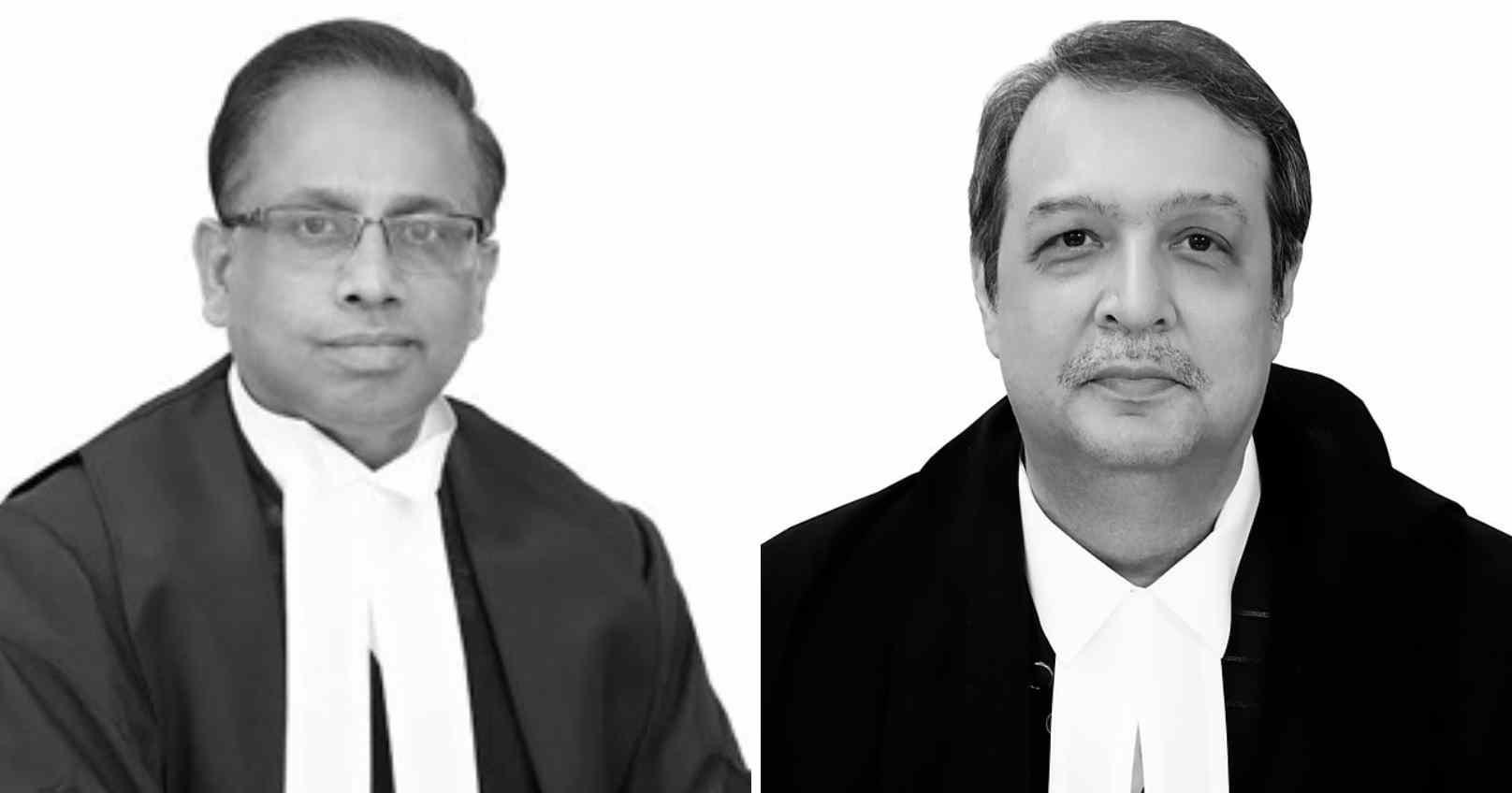
Hearing appeals relating to approval of a Resolution Plan, a Bench of Justice J.B. Pardiwala and Justice K.V. Viswanathan concluded that the issues before it extend far beyond the dispute between the parties. Instead, they expose systemic deficiencies that threaten the very objectives of the IBC.
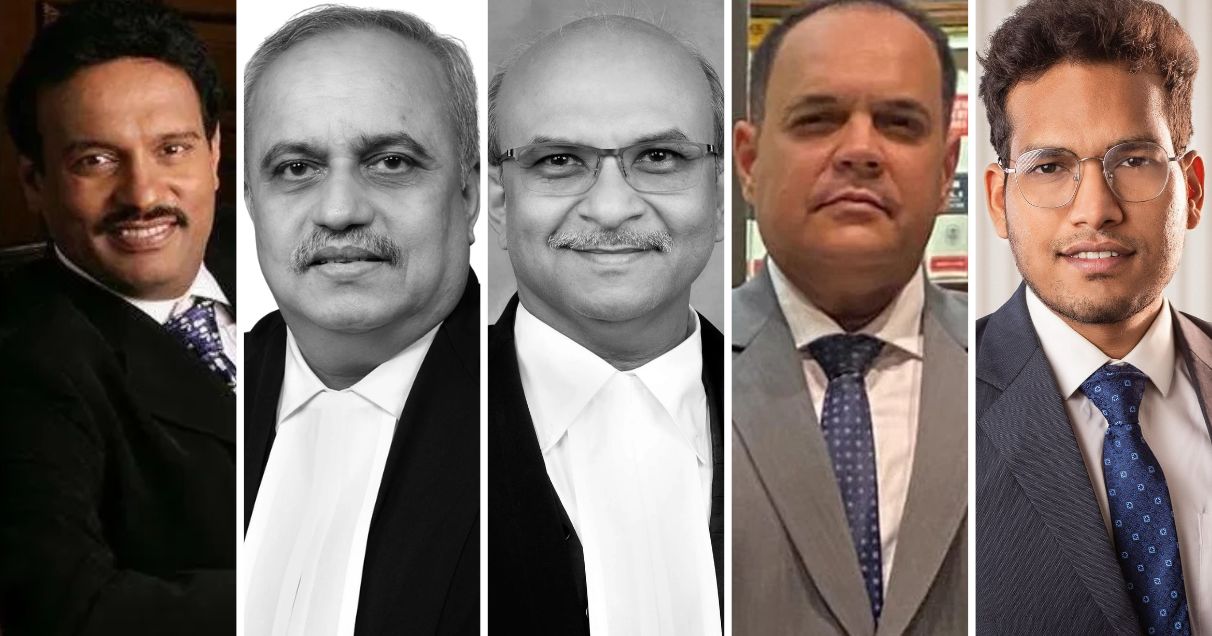
After seeking reports from the NCLT, the Insolvency and Bankruptcy Board of India (IBBI), and assistance from Senior Advocates Navin Pahwa and Gopal Jain as Amici Curiae, the Court found an alarming situation. According to the material placed before it, 363 applications seeking approval of Resolution Plans are pending, with delays ranging from 48 days to 738 days, and in certain cases stretching to nearly four years.
The Court attributed these delays to multiple structural deficiencies: an acute shortage of Judicial and Technical Members, inadequate infrastructure, frequent changes in Bench composition, half-day sittings, and heavy pendency of objections. It also noted that many tribunal staff, including Registrars, Court Masters, legal assistants and stenographers, are appointed only on contractual terms, creating serious administrative instability.
The Amici recommended permanent staffing, timely filling of vacancies, better courtroom infrastructure, research support for Members, day-to-day hearings of Resolution Plan approvals, and implementation of the newly inserted Section 31(2A), which contemplates disposal of approval applications within thirty days once notified.
Perhaps the most striking observations came when the Bench reflected on the larger economic consequences. The Court reminded that the IBC was enacted to ensure time-bound resolution, maximise value of distressed assets, promote entrepreneurship, improve credit markets and strengthen India’s ease of doing business. In the present state of affairs, however, the Court observed that achieving those objectives has become virtually impossible. It emphasised that “thousands of crores of rupees are at stake”, that viable companies must be kept alive as going concerns, and that failure of the insolvency framework would undermine the economy itself.
Recognising that the problem extends beyond the individual appeals before it, the Supreme Court took the unusual step of taking suo motu cognizance of the systemic issues and directed that the matter be placed before the Chief Justice of India for further orders. The merits of the individual appeals will now await appropriate directions from the Chief Justice.
The order could mark the beginning of wide-ranging judicial scrutiny of the institutional capacity of the NCLT and the future functioning of India’s insolvency resolution mechanism.